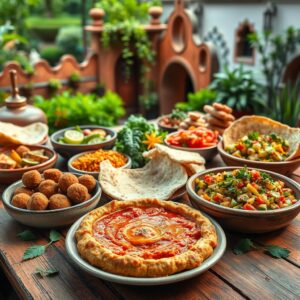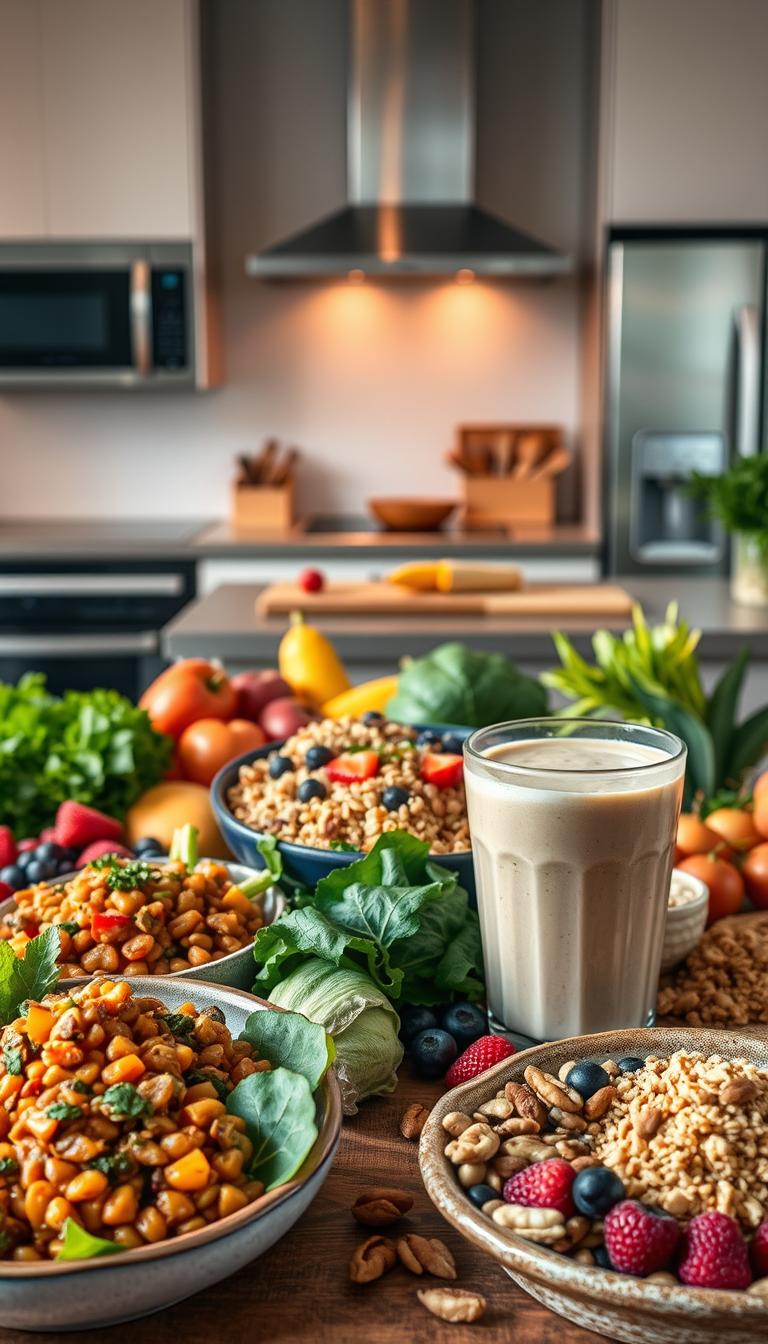
Can a plant-forward diet really sharpen your race-day edge? You’ll meet elite performers who answered that question firsthand. Lewis Hamilton, Derrick Morgan, Dotsie Bausch, and James Loomis, MD, shared how this approach changed their training, recovery, and long-term health.
You’ll get a practical, research-informed guide to real-world foods that boosted their energy and endurance. Expect clear advice on meals, carb timing, and a reliable breakfast routine that fuels high-output sessions.
The guide highlights staples like sweet potato, lentils, beans, and tofu, and explains how carbohydrates power endurance and recovery. It also covers quick snacks for travel and a simple weekly plan to test these ideas without overhauling your life.
Key Takeaways
- You’ll see real examples from top performers who improved performance and recovery.
- Focus on carbohydrates and timed meals to keep energy steady during training.
- Simple staples like sweet potato and beans make complete, practical meals.
- Antioxidant-rich choices can reduce inflammation and speed recovery.
- Build a small weekly plan to try these ideas without a full diet overhaul.
Why Plant-Based Fuel Works for Athletes
Plant-forward fuel hits the right balance of carbs, protein, and antioxidants to support high-volume training. It gives you steady energy, helps repair muscle, and lowers inflammation so you recover faster.
Carbohydrates for energy and endurance
Carbohydrates are the primary fuel during high-intensity exercise. You’ll prioritize them to power intervals and long runs because they sustain pace and quality.
Protein from beans, tofu, tempeh, and nondairy milk
Plant protein sources deliver fiber and complex carbs while boosting recovery. Include beans, tofu, tempeh, nuts, seeds, and nondairy milk to support muscle repair without excess saturated fat.
Antioxidants and low-fat benefits for faster recovery
Compared with meat eaters, people on a plant-based diet tend to consume more antioxidants. These compounds neutralize free radicals that can cause fatigue and soreness.
“A mix of carbs, protein, and colorful vegetables is less about restriction and more about fueling consistent performance.”
- Refuel glycogen: plan carbs around sessions.
- Support lean mass: add concentrated protein sources.
- Boost recovery: eat a spectrum of vegetables and fruits for antioxidants.
- Use milk alternatives: blend them into smoothies or oats for quick digestion before or after workouts.
Top vegan athletes recipes to try now
Try a set of quick, performance-focused dishes that simplify fueling on busy days. You’ll find a mix of breakfasts, bowls, mains, and snacks that fit early workouts and long recovery sessions.
Quick hits: high-protein avocado toast for a fast pre-run bite, pumpkin chocolate chip muffins to steady carbs, and mushroom freezer breakfast burritos for grab-and-go mornings.
For larger meals, assemble a Greek lentil power bowl, try sweet corn and peach farro salad, or go classic with rice & beans. Add crispy marinated air fried tofu with lemon and oregano for simple protein.
Keep a few snackable ideas on hand, like no-bake peanut butter oatmeal chocolate chip energy balls or roasted Brussels sprouts with pomegranate. They stabilize energy between sessions and travel well.
“Pick a short list of go-to dishes and rotate them weekly to save time while you chase consistent training gains.”
- You’ll find options that suit morning routines, long days, and quick recovery meals.
- Use chickpea and bean-based dishes for fiber and slow-release carbs.
- Mix and match from trusted blogs to build a week that works for your schedule and taste.
Performance Breakfasts to Power Your Morning Training
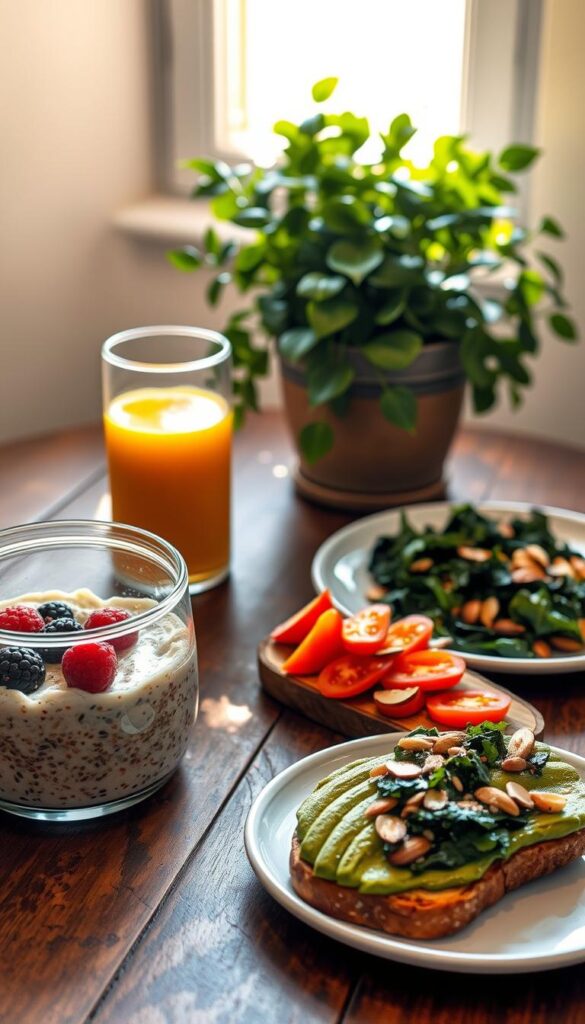
Start your training day with breakfasts that deliver steady carbs and concentrated protein so you move better and recover faster. These three formats are easy to scale for tempo runs, long rides, or short intervals.
High-protein avocado toast for quick pre-workout fuel
Top whole-grain toast with mashed avocado and a high-protein boost like a tofu scramble or seeded topping. This gives fast-digesting energy and protein before short sessions.
Pumpkin chocolate chip muffins for steady carbohydrates
Bake muffins ahead using nondairy milk and oat or whole-wheat flour. They travel well and supply steady carbs without weighing you down before a long run.
Mushroom freezer breakfast burritos for busy mornings
Batch-prep burritos with mushrooms, spinach, beans, and a protein source so you can reheat a balanced option in minutes. Match portion size to session intensity — smaller toast for intervals, a full burrito for long endurance days.
- Use familiar food formats—toast, muffins, wraps—to fuel when appetite is low.
- Layer spinach into scrambles or wraps for iron and nitrate-rich benefits.
- Balance carbs and protein to keep blood sugar steady and training energy consistent.
Power Bowls and Salads You Can Meal Prep
A few well-made bowls and salads turn Sunday cook-ups into weekday wins. They make it easy to grab balanced fuel after a hard session or between meetings.
Greek Lentil Power Bowl is protein-rich and veggie-forward. Cook lentils and grains in bulk, then add cucumbers, tomatoes, olives, and a lemon-olive oil dressing. Finish with a sprinkle of herbs and a little garlic in the dressing for depth.
Greek lentil bowl with a satisfying protein boost
This bowl delivers a complete meal: lentil protein, crunchy vegetables, and healthy fats. You can add chickpea bites or marinated tofu for more protein and texture.
Sweet corn and peach farro salad for a carb-forward side
The farro salad blends sweet corn and peach for summer flavor that travels well to a BBQ. Toss with fresh herbs, a light vinaigrette, and extra chickpeas if you want a heartier side.
“Batch-cook grains and lentils on Sunday, then portion bowls for a ready-to-eat meal all week.”
- Batch-cook grains and lentils, then portion for quick bowls or salads.
- Use tomatoes, cucumbers, and herbs for freshness; add garlic in dressings for flavor and antioxidants.
- Swap greens, grains, or dressings to keep plant-based dishes flexible and seasonal.
High-Protein Vegan Mains That Support Muscle Repair
The right main courses speed repair and make hitting your macros easier on busy nights. Focus on dishes that combine amino acids, electrolytes, and quick prep. These mains keep your diet light while helping you recover after hard sessions.
Rice and beans with garlic for complete protein
Pair rice and beans with sautéed garlic and a squeeze of citrus to make a budget-friendly, high-protein meal. This classic combo supplies a complete amino acid profile and fills you after tough training.
Split pea soup packed with potassium, fiber, and protein
Batch a split pea soup to rehydrate and refuel on recovery days. It delivers potassium, slow carbs, fiber, and concentrated protein in one warming bowl.
Lentil loaf as a hearty staple
Bake a lentil loaf as a reliable staple that slices well for sandwiches or plated meals. It gives you multiple portions from one cook session and keeps weeknight dinners predictable.
Air fried tofu with lemon and oregano for quick weeknights
Marinate tofu with lemon, oregano, and a little garlic, then air fry for about 20 minutes. You get a crisp, high-protein dinner fast with minimal hands-on time.
- Use tomato-based sauce in stews to activate heat-boosted antioxidants.
- Splash nondairy milk into mashed potato or soup for creaminess without heavy fat.
- Portion meals ahead so a protein-forward option is always ready and reduces takeout.
Carb-Loading and Recovery Meals for Peak Energy
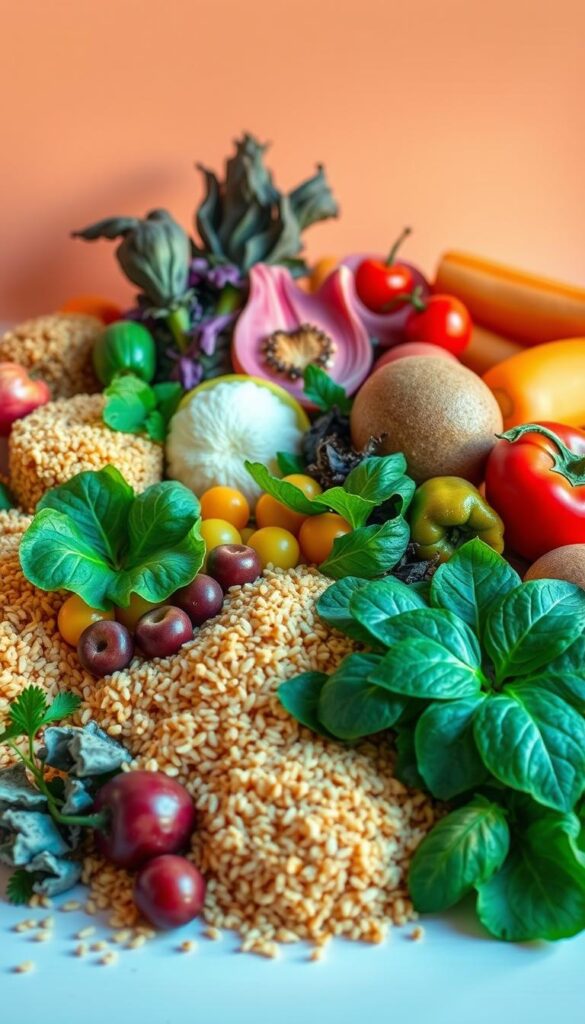
Plan simple carb-focused meals the day before big sessions to ensure steady fuel and faster recovery. Keep plates easy to digest and familiar so you avoid gut issues before key efforts.
Pasta with tomato sauce for glycogen replenishment
Pasta is an easy go-to to top off glycogen stores before a big workout or as a recovery meal after. Choose whole-grain or semolina and match portion size to your training load.
Cooked tomato sauce adds vitamins and activates antioxidants in tomatoes. Add garlic for flavor and extra polyphenols that support recovery.
Sweet potatoes as an endurance staple
Sweet potato is a true endurance staple. It supplies vitamin A, vitamin C, B6, potassium, manganese, fiber, and niacin to support repair and steady energy.
Round out meals with beans for added protein and fiber. A simple plate of pasta or potato, tomato sauce, a drizzle of olive oil, and beans makes a balanced, digestible meal.
| Food | Key Benefits | When to Eat |
|---|---|---|
| Pasta + tomato sauce | High carbohydrates, activated antioxidants from cooked tomatoes, easy digestion | 24 hours before big sessions; post-workout recovery |
| Sweet potato | Rich vitamin A, potassium, fiber, sustained energy | Pre-long training days; recovery to restore glycogen and micronutrients |
| Pasta or potato + beans | Carbs + plant protein, better satiety, muscle repair support | After hard sessions or when you need a fuller recovery meal |
- You’ll use pasta with tomato sauce the day before a big workout to top off glycogen and steady your energy output.
- You’ll pair cooked tomatoes and garlic for activated antioxidants and flavor that aid recovery.
- You’ll treat sweet potato as a reliable staple for endurance; add beans for extra protein and fiber.
Grab-and-Go Snacks That Keep You Moving
When training days are busy, small, portable snacks can prevent energy crashes and keep your sessions strong. Pick options that blend carbs, fat, and a touch of protein so you can move with steady power.
No-bake peanut butter oatmeal chocolate chip energy balls
These no-bake energy balls use a handful of pantry staples and come together quickly. Mix peanut butter, oats, a sweetener, and chocolate chips, form into balls, and chill.
Why they work: they give portable carbs and fats to steady effort between sessions. Batch them on rest days so a fast, satisfying food is always ready.
Crispy roasted Brussels sprouts with pomegranate
Roast halved Brussels sprouts until crisp, then finish with pomegranate seeds for bright flavor and crunch. This 30-minute side makes a nutrient-dense vegetable that adds color to meals.
- You’ll prep the energy ball recipe in minutes for grab-and-go fuel.
- You’ll roast sprouts to pair with a quick salad or grain bowl to turn snacks into a mini-meal.
- You’ll batch snacks so people can repeat a plan from a trusted blog and avoid under-fueling before long efforts.
Real-World Inspiration: Athletes Thriving on a Plant-Based Diet
Real stories from elite performers show how food choices shaped training and recovery.
From Lewis Hamilton to Dotsie Bausch, you can see practical wins. These athletes credit a plant-forward diet with better recovery and steadier energy during heavy training.
James Loomis, MD, finished an Ironman while following the same approach. That result supports the idea that demanding endurance goals can be met on this plan.
Community and daily habits
TEAM VPA members meet at events like the Ironman World Championships. That community makes the shift easier and offers real-life support for meal planning and recovery routines.
“Switching to plant-forward meals changed how I recovered after long efforts.”
| Athlete | Sport | Reported Benefit |
|---|---|---|
| Lewis Hamilton | Formula 1 | Improved energy and focus |
| Derrick Morgan | NFL | Faster recovery between sessions |
| Dotsie Bausch | Olympic cycling | Consistent endurance and lighter recovery |
| James Loomis, MD | Ironman Triathlon | Completed Ironman while maintaining strong recovery |
- You’ll draw motivation from real names who linked food to performance.
- You’ll use their habits to build your own weekly meal and recovery plan.
- You’ll see how community, training, and health goals can align for steady progress.
Conclusion
Bring these ideas together with a compact weekly plan that balances fuel, simplicity, and recovery.
Keep a rotation: a Greek lentil bowl, a leafy salad, a pasta meal with tomato sauce, and a sweet potato plate. Add air-fried tofu as a quick protein main and batch energy balls for portable fueling.
Stock staples—grains, legumes, spinach, and simple sauces—so plant-based recipes are always within reach. Prep one snack and one versatile meal each weekend to simplify weekdays.
Adjust portions to match your training and try one new recipe this week. Small, consistent changes protect performance and long-term health.