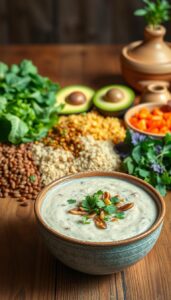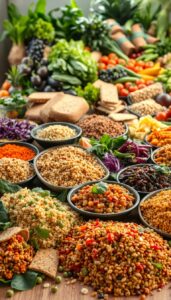
Curious how you can turn pantry favorites into meals your little ones will actually ask for? Start by swapping familiar comfort dishes into plant-based versions, so dinner feels safe and fun on day one.
You’ll learn simple strategies chefs and chef-moms used to ease children into new foods. Offer mac-and-cheese-style pasta, build-your-own Mexican bowls, or make-ahead soups that store well for busy afternoons.
Set calm boundaries—no snacks within an hour before dinner and one family meal—so kids come to the table ready to taste. Let them help with small tasks like clipping greens or stirring a sauce; involvement boosts curiosity and appetite.
This guide gives you a practical roadmap: tried-and-true swaps, low-fuss prep, and realistic tips to keep mealtime joyful while you change sugar and snack habits gradually.
Key Takeaways
- Start with familiar favorites converted into plant-based versions to lower resistance.
- Use simple rules—no pre-meal snacks and one family dinner—to reset appetites.
- Involve little ones in age-appropriate tasks to build interest in food.
- Choose whole-food ingredients and make-ahead options for busy days.
- Phase sweets slowly and focus on creamy, customizable meals that please everyone.
Your Guide to Kid‑Friendly, Tried‑and‑True Plant‑Based Meals
Use reliable day-to-day practices to turn unfamiliar foods into regular family favorites. Start small and repeat the same wins so a plant plate feels ordinary, not experimental.
Modeling matters: plate colorful vegetables, whole grains, and legumes for yourself so little ones see and copy real food at the table. Keep one shared meal a priority and no snacks within an hour of dinner to help appetites reset.
Follow simple tactics the chef-mom used: begin early with soft, mashed versions of the same foods and introduce spices gently. Avoid ultra-processed treats at home so natural flavors can take hold.
- Texture tweaks: mince greens, puree part of a dish, or offer roasted vs. mashed versions to welcome a reluctant kid.
- Involve them: let your child toss a small salad, rinse beans, or sprinkle herbs during cooking.
- Plan ahead: choose reliable recipes that reheat well so a balanced plate is ready on busy days.
“Keep mealtime calm and keep presenting foods in new forms,” the chef-mom advised.
Vegan Kids Recipes for Breakfast and Snacks They’ll Actually Eat

Start mornings with simple, high‑energy bowls and hands‑on snacks that make taste tests easy. Build power breakfasts around iron‑rich teff or freekeh‑quinoa porridge topped with fresh fruit and a drizzle of nut or seed butter for steady energy.
For savory days, lean on a tofu scramble folded with minced mushrooms and spinach. Season gently so flavors stay mild while you boost protein and minerals.
Bake‑Ahead Bites
Make sweet potato oat bran muffins using almond flour on weekends so you have grab‑and‑go breakfast and snack options. Sweet potato pancakes are another batch‑friendly choice that adds beta‑carotene and moisture with minimal flour.
Sweet Snacks Made Smarter
Offer banana nice cream or chocolate black bean cookies sweetened with maple and a touch of coconut oil. Walnut‑fig bars and spirulina chia pudding bring seeds and greens in a way that feels like a treat, not a lecture.
- Tip: Mash fruit into porridge and mince mushrooms for soft textures that are easy to accept.
- Tip: List ingredients and measure together to make baking a fun, learning activity.
“Keep portions snack‑sized and time them away from the next meal to protect appetite.”
Kid‑Approved Vegan Lunches and Dinners the Whole Family Can Share
Make shared lunches and dinners simple by leaning on creamy comfort plates and interactive builds. Rely on mac‑and‑cheese-style dishes as predictable wins: a classic vegan mac, butternut squash pasta that looks like mac, and silky cashew cheese sauce that children recognize and enjoy.
Upgrade pasta night by blending roasted veggies into marinara or stirring in cashew cream. Pasta bakes are perfect for busy evenings—assemble, cover, and let the oven finish the work.
Make dinner interactive with tacos, burrito bowls, or tostadas so everyone builds their own plate. Chips and guacamole on the side boost excitement and help picky eaters try new toppings.
Turn pizza into an activity: a black bean crust or whole‑grain base plus colorful toppings invites experimentation. Add cozy mains like tofu chili, lentil meatballs, sweet potato falafel, or make‑ahead soups for protein and warmth.
Skip the drive‑thru: batch veggie burgers and bake crisp sweet potato fries. Mild, creamy cheese sauce and simple dips keep familiar flavors while you sneak in extra veggies and wholesome ingredients.
Easy Vegan Tips to Raise Adventurous Little Eaters
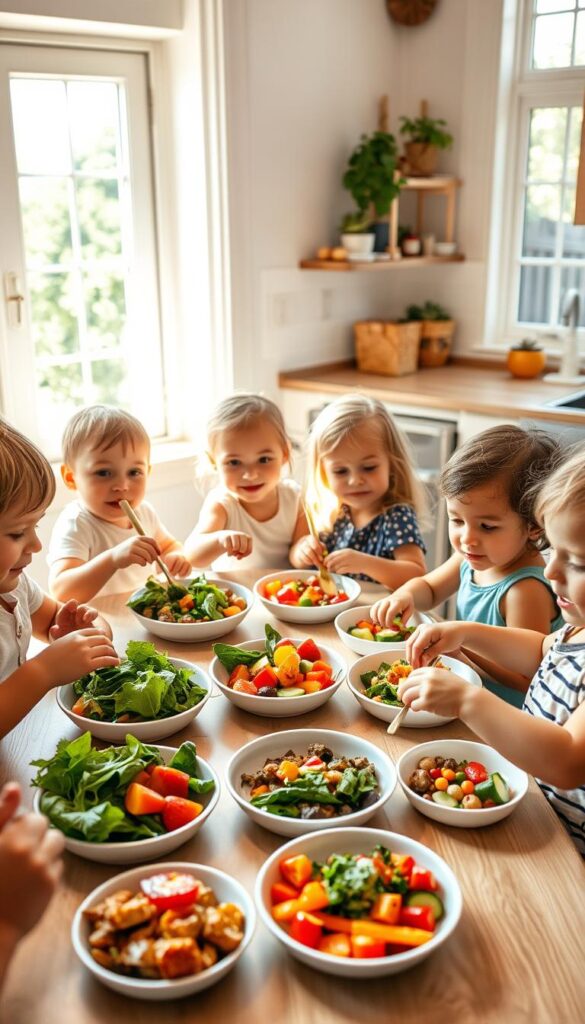
Small changes at the table can turn picky eaters into curious little ones who try new flavors.
Lead by example: eat the colorful foods you want your family to try. When you plate whole grains, legumes, and vegetables, your child watches and copies rather than resists.
Lead with mild spices and whole foods
Start early with gentle seasonings and real ingredients. Mild herbs and small amounts of spice build comfort without overwhelming taste buds.
Involve your kid in cooking
Give simple tasks: clip greens, wash produce, or toss a salad. Participation increases curiosity and makes lunch and dinner more fun.
Snack boundaries that protect appetite
Choose fruit-and-veg-first snacks and avoid grazing within an hour before a meal. Water between snacks helps stop constant snacking and keeps hunger for the main meal.
Present foods differently for easier acceptance
Use texture tweaks—mince, mash, roast, or blend—so the same plate works for all ages. Serve one family meal and skip short-order cooking.
- Track what works: note whether roasted, pureed, or whole presentations win, then repeat those hits.
- Keep it low-pressure: let a child choose how much to eat and reintroduce foods in new forms over time.
“Model calm meals and involve your little one — curiosity often replaces resistance.”
The Best Kid‑Friendly Vegan Flavor Boosters and Pantry Staples
A few reliable pantry staples and bold, simple sauces make weeknight meals feel like treats.
Creamy bases anchor many wins. Blend sunflower seeds into a tangy “Caesar” dressing to turn kale or mixed greens into a craveable salad. Keep cashew cream in the fridge to enrich soups, pasta, and casseroles with silky texture.
Creamy Classics
Simple cheese sauce versions—nut-based or tofu-blended—drizzle over roasted veg or baked potatoes. They give familiar flavor and make new foods approachable.
Crunch and Dip
Bake seed crackers or almond flour crackers for wholesome crunch. Pair them with guacamole or a quick plant-based “honey” mustard to boost healthy fats and flavor.
- Use sauces on the side so picky eaters control intensity.
- Double batches and freeze portions to save time.
- Choose multiuse ingredients like cashews and sunflower seeds to cut waste.
| Pantry Item | Use | Kid Appeal | Storage Tip |
|---|---|---|---|
| Sunflower seeds | Caesar-style dressing for salad | Salty, tangy, creamy | Blend, jar, refrigerate 5–7 days |
| Cashews | Cashew cream and cheese bases | Silky richness that mimics dairy | Soak and freeze portions |
| Almond flour & mixed seeds | Crackers and crunchy bits | Crunch like chips, but wholesome | Bake, cool, store airtight 7–10 days |
| Avocado & mustard | Guacamole and “honey” mustard dip | Familiar dip for bread, chips, or veg | Prep fresh; freeze small portions of mustard |
“Keep one dependable pasta‑friendly sauce in the fridge so last-minute meals become comfort food fast.”
Conclusion
Focus on a few pleasure-first dishes so weeknight cooking stays fast and stress-free.
Build a short rotation of go-to recipe wins: a creamy vegan mac, a veggie-packed pasta, and a simple tofu chili. Keep one chilled cashew cheese and a kid-approved dip ready to make meals feel familiar fast.
Streamline mornings with porridge and muffins, and stash baked cookies or banana nice cream for quick snack wins. Freeze extras and pull a steady lunch or dinner when time is tight.
Use texture edits—mince, mash, blend—and the top behavior tricks: model the plate, serve one family meal, and skip snacks an hour before dinner. Note what your child loved each week so next week’s plan becomes the best vegan, kid-friendly routine for your family.