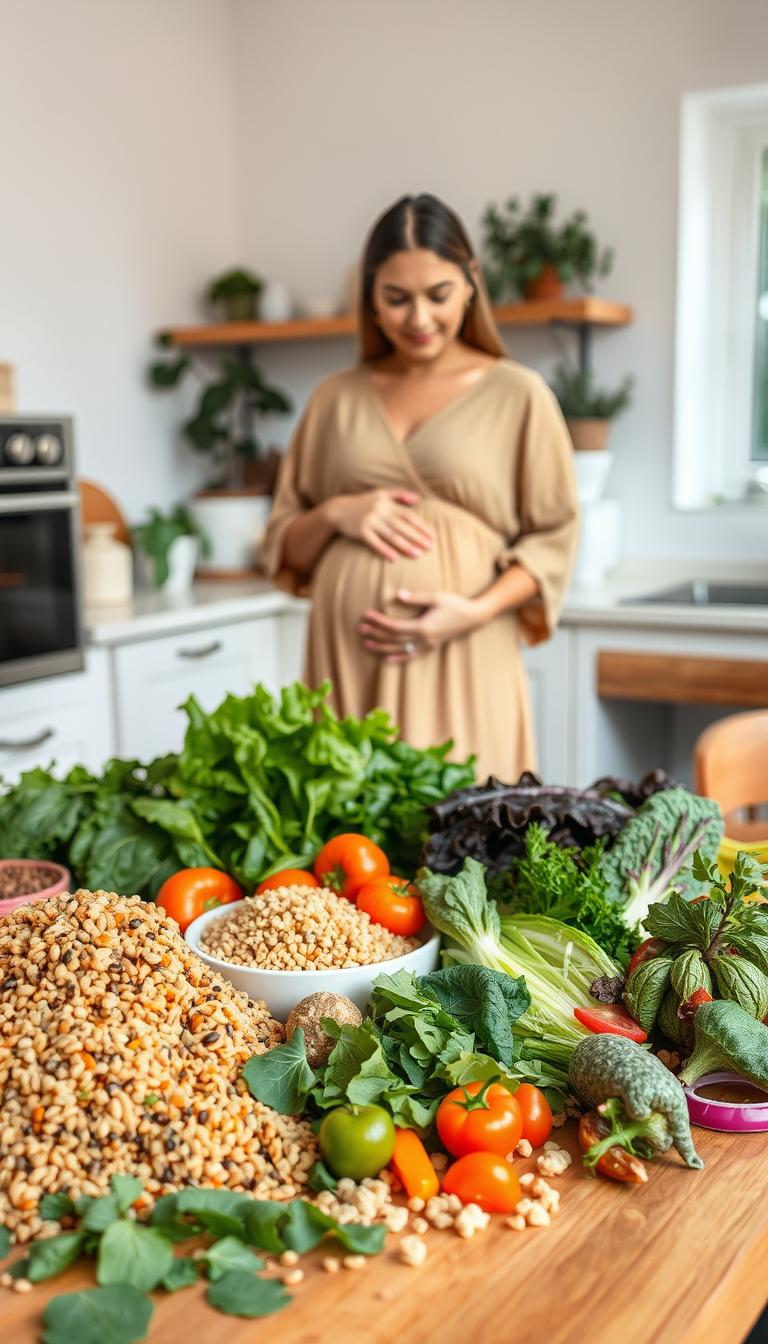
Can a well-planned plant-based diet truly give your baby everything they need and keep you energized all day?
Yes — with the right plan. This short guide shows how to use USDA MyPlate to personalize calories and portions, and how to shape a balanced plate with whole grains, high-protein plant foods, fruits, and vegetables.
The FDA stresses folate from fortified foods or supplements to lower neural tube risks. NIH guidance highlights rising protein needs — about 46 g/day early on and roughly 71 g/day later. Calcium stays at 1,000 mg/day and vitamin D helps your body absorb it for fetal bone health.
You’ll get clear, practical steps for meal planning, simple swaps to boost key nutrients, and strategies like batch cooking and freezer-friendly meals so you can eat well without stress.
Key Takeaways
- Use MyPlate to balance meals and adjust portions to activity and hunger.
- Prioritize folate, protein, calcium, and vitamin D to support baby and your health.
- Plan for higher protein needs in later trimesters and aim for fortified foods or supplements when needed.
- Batch cooking and a smart shopping list make nutritious meals easier on busy days.
- Discuss supplements and fortified options with your provider to cover gaps safely.
Why a Vegan Pregnancy Can Be Healthy and Satisfying
With a few smart swaps and portion tweaks, your diet can support higher energy and fetal growth. Focus on balanced plates, fortified foods, and protein-rich plants so you get the nutrients your body needs each day.
Your nutrient needs rise now. The NIH estimates about 46 g protein per day in the first trimester and roughly 71 g in the second and third. Use USDA MyPlate to personalize calories and aim to make half your grains whole for steady energy.
Your nutrient needs rise during pregnancy: what changes now
Energy and several vitamins and minerals must increase—especially protein, iron, folate, calcium, vitamin D, B12, iodine, and omega-3s. You can meet these needs with legumes, tofu, tempeh, fortified cereals, and healthy fats like nut butter at breakfast and snacks.
Safety snapshot: plant-based diets with planning
A well-planned plant-forward diet is appropriate with monitoring and supplements as needed. The FDA recommends folic acid from fortified foods or a prenatal to reduce neural tube risk. If you crave meat, that can signal rising iron needs—pair plant iron sources with vitamin C to boost absorption.
| Trimester | NIH Protein Target | Sample daily servings to hit target |
|---|---|---|
| First | ~46 g/day | 1 cup lentils (18 g), 1 cup soy milk (6 g), 2 tbsp peanut butter (8 g), whole-grain toast (4 g) |
| Second | ~71 g/day | 1 cup tofu (20 g), 1 cup quinoa (8 g), 1 cup beans (15 g), nuts & seeds snacks (8–10 g) |
| Third | ~71 g/day | Tempeh bowl (20–25 g), fortified cereal + soy milk (10 g), hummus & veggies (6–8 g) |
- Use MyPlate to tailor portions to your age, weight, and activity level.
- Choose fortified breads or cereals for folic acid, and talk with your provider about supplements.
- Monitor intake and appetite cues so you meet needs without overhauling your entire meal plan.
Key Nutrients to Prioritize for You and Your Baby
Focus first on a handful of high-impact nutrients that support your energy and your baby’s growth every day.
Protein: daily targets and complete combos
Aim to meet trimester targets with plant proteins. Use beans, lentils, tofu, tempeh, seitan, quinoa, and soy milk across the day.
Pair beans with whole grains or tofu with quinoa to create complete amino-acid profiles and hit your protein goal.
Iron and folate: supporting blood volume and neural tube development
Choose fortified cereals, lentils, chickpeas, tofu, spinach, and raisins. Pair these with vitamin C foods like citrus or peppers to boost iron absorption.
Calcium and vitamin D: bones, teeth, and absorption
Fortified plant milks, calcium-set tofu, kale, chia, and broccoli help your calcium intake. Get vitamin D from fortified beverages or safe sun exposure so your body can absorb it.
Vitamin B12 and choline: brain and nervous system
Rely on fortified milks, nutritional yeast, and a supplement if needed for vitamin b12. Add soybeans, quinoa, and cruciferous vegetables for choline to support neural development.
Omega-3 fatty acids (ALA/DHA) and zinc & iodine
Include ground flax, chia, walnuts, and consider an algae DHA after checking with your provider. For zinc and iodine, use pumpkin seeds, cashews, baked beans, iodized salt, and nori.
| Nutrient | Daily Focus | Plant Sources | Quick combo |
|---|---|---|---|
| Protein | Meet trimester gram target | Tofu, lentils, quinoa, soy milk | Tofu + quinoa bowl |
| Iron & Folate | Support blood volume & neural development | Lentils, fortified cereal, spinach, asparagus | Lentil salad + orange slices |
| Calcium & Vitamin D | Bone health and absorption | Fortified plant milk, calcium-set tofu, kale | Smoothie with fortified milk & chia |
| Omega-3, Zinc, Iodine | Brain, immunity, thyroid | Flax, chia, walnuts, pumpkin seeds, nori | Oat bowl with ground flax and pumpkin seeds |
Tip: Keep a simple intake checklist so these vitamins and minerals fit into meals without extra stress.
Vegan Pantry and Fridge Staples for Pregnancy Nutrition
Stocking a small selection of fortified drinks and shelf-stable staples makes meeting nutrient needs easier on busy days.
Focus on items that cover calcium, B12, iron, and plant protein so you can build balanced plates quickly.
Fortified milks, cereals, and nutritional yeast
Keep at least one calcium- and vitamin D-fortified plant milk for smoothies, oatmeal, and coffee. Choose fortified cereals that supply iron, zinc, folate, and sometimes B12 to backstop quick breakfasts.
Store nutritional yeast to sprinkle on pasta or sauces as a savory source of B12 and flavor.
Beans, lentils, tofu, tempeh, seitan, and whole grains
Build meals around a rotating core of beans, lentils, tofu, tempeh, and seitan for reliable protein. Anchor your pantry with quinoa, brown rice, oats, and buckwheat to pair with legumes and complete amino acids.
Keep canned and dried beans for fast chilis, grain bowls, and soups when time is tight.
Nuts, seeds, and plant oils rich in ALA
Stock walnuts, chia, and ground flax for ALA. Add canola or soybean oil for cooking to boost plant omega-3s and keep fats favorable for brain development.
Frozen vegetables are a must for convenience; add iron-rich greens or cruciferous vegetables to meals without extra prep.
- One fortified milk for daily calcium and vitamin D
- Fortified cereals to support iron, folate, and B12
- Nutritional yeast for B12 and savory flavor
- Rotating beans, lentils, tofu, tempeh, seitan for protein
- Whole grains like quinoa, oats, and brown rice to pair with legumes
- Walnuts, chia, and ground flax for ALA; canola or soybean oil for cooking
- Frozen vegetables for quick nutrient boosts
- Label and rotate products so opened items stay fresh
| Staple | Main Nutrients | How to Use | Quick Swap |
|---|---|---|---|
| Fortified plant milk | Calcium, vitamin D | Smoothies, oats, fortified cereal | Replace cow milk with fortified soy or almond |
| Fortified cereals | Iron, folate, B12, zinc | Breakfast bowls; add fruit for vitamin C | Choose whole-grain fortified options |
| Tofu / tempeh / beans | Protein, iron | Stir-fries, bowls, chilis | Swap a meat entree for tempeh bowl |
| Walnuts, chia, ground flax | ALA omega-3s, healthy fats | Oat bowls, smoothies, snacks | Add ground flax to yogurt or oats |
Vegan Pregnancy Recipes: Breakfasts to Power Your Day
Start your day with breakfasts that pack steady energy, key vitamins, and enough protein to keep you satisfied until lunch.
Overnight oats template: combine 2/3 cup rolled oats (a whole grain) with 1 cup fortified plant milk and a pinch of cinnamon. Top with 2 tbsp chopped walnuts and one small chopped apple.
Greens-packed breakfast burrito
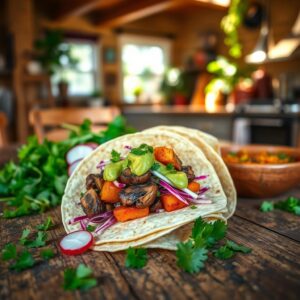
Scramble firm tofu with spinach and spices, tuck into a whole-wheat tortilla with salsa. Add black beans or tempeh crumbles to boost protein, and finish with avocado for healthy fats.
Pumpkin-spice soy yogurt parfait
Stir pumpkin puree and pumpkin pie spice into plain Greek-style soy yogurt. Layer with lower-sugar granola and raisins, then sprinkle chia or ground flax seeds for extra omega-3s.
- Prep overnight oats with fortified milk for calcium and vitamin D and use apples for vitamin C to aid iron absorption.
- Use fortified cereals as a quick vitamin lift or almond butter as an optional swirl when you need extra calories.
- Batch-prep two to three mornings ahead so you consistently hit protein goals and simplify each busy day.
Protein-Packed Vegan Lunch Ideas for Pregnancy
A hearty lunch can stabilize energy and deliver concentrated protein and iron when you need it most.
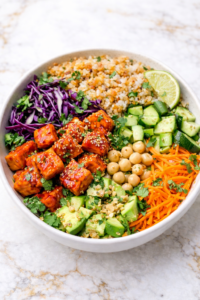
Quinoa power bowl: assemble cooked quinoa with black beans, baked sweet potato cubes, and corn. Add chopped tomato and cilantro for vitamin C to boost iron absorption.
Whisk a corn-lime vinaigrette with olive oil to supply unsaturated fats that help absorb fat-soluble nutrients. Top with pumpkin seeds for zinc and extra crunch.
Stuffed acorn squash
Roast halved acorn squash until tender. Fill with a sauté of onion, mushrooms, garlic, lentils, and wild rice. Stir in pistachios for texture and healthy minerals.
Make-ahead tip: double the grains and legumes, portion into containers, and reheat for easy midday meals that meet protein goals and keep you satisfied.
- Lean on whole grains and legumes to cover essential amino acids across the day.
- Garnish with tahini or plant yogurt for added calcium and creaminess.
- Swap seasonal vegetables like kale or Brussels sprouts to vary micronutrients.
Dinners That Deliver Nutrients and Comfort
Choose dinners that are both nourishing and freezer-friendly so you have reliable meals on busy nights. These plates focus on protein, iron, and fiber while staying simple to prepare.
“A nutrient-rich dinner can be comforting and efficient—batch it once and eat well all week.”
Bean-based pasta with seitan marinara and garlicky sautéed kale
You’ll use bean-based pasta to increase protein and fiber at dinner. Stir chopped seitan into marinara for hearty texture without animal products.
Sauté kale with garlic and olive oil for iron and vitamin K. Add tomatoes or a squeeze of lemon to supply vitamin C for better iron absorption.
Grilled tempeh over brown rice with veggie stir-fry
Grill or pan-sear tempeh, then serve it over brown rice with a colorful stir-fry. This pairs whole grains and legumes in one balanced plate.
Season the stir-fry with ginger and low-sodium tamari to keep sodium in check and add bright flavor.
Hearty three-bean chili with freezer-friendly portions
Simmer a chili with black beans, kidney beans, and pinto beans for a protein- and fiber-rich meal. Certain beans also supply trace iodine.
Batch-cook and freeze portions in labeled containers so a nutrient-dense meal is ready on rushed nights. Add steamed broccoli or a cabbage slaw to boost vitamin C and calcium.
- Swap quinoa for rice when you want a lighter, quicker-cooking base.
- Adjust portion sizes to your hunger and trimester needs; add avocado or olive oil for extra calories if needed.
- Use spices like cumin, smoked paprika, and oregano to keep meals interesting and sustainable.
Smart Vegan Snacks for Steady Energy
Smart snacks bridge long gaps between meals so you keep steady energy and essential nutrients. These bite-sized options focus on protein, healthy fats, and fortified milk for calcium and vitamin D.
Fruit-and-greens smoothie
Blend fortified soy milk with berries, a handful of spinach, and ground flax for omega-3s. Add a spoon of almond or peanut butter when you need extra calories and satiety.
Carrots with tahini hummus and nori
Make hummus from chickpeas, tahini, lemon, and olive oil. Pair with carrot sticks and a strip of roasted nori for an iodine boost that supports thyroid function.
Chia pudding with fortified plant milk
Prep chia seeds with fortified plant milk, vanilla, and fresh berries overnight. This creamy snack supplies calcium, vitamin D, fiber, and gentle fatty acids.
Homemade trail mix
Mix almonds, walnuts, raisins, and dried figs for a portable blend of fiber, minerals, and healthy fats. Rotate seeds—chia, flax, pumpkin, hemp—to diversify nutrients and texture.
- Keep hummus and carrot sticks ready for quick legumes + seed snacks.
- Choose minimally processed options to limit added sugar and sodium.
- Tailor portions to hunger and trimester needs; store grab-and-go containers chilled.
Sample Day of Vegan Pregnancy Meals (Present)

This sample day shows how fortified choices and plant proteins can meet increased needs without fuss.
Breakfast: fortified oats with walnuts and cinnamon
Start your day with a fortified oat bowl made with plant milk, rolled oats, chopped walnuts, and cinnamon.
This breakfast supplies calcium, vitamin D, fiber, and ALA before noon.
Lunch: tofu scramble bowl with brown rice and kale
A tofu scramble over brown rice with sautéed kale stacks protein and iron. Add a squeeze of lemon or orange for vitamin C to help absorption.
Snack: Greek-style plant yogurt with flax and granola
Choose a Greek-style plant yogurt, stir in ground flax, and top with low-sugar granola. This snack adds extra protein and omega-3s between meals.
Dinner: quinoa pasta with seitan sauce; side broccoli
Quinoa pasta tossed with a seitan marinara and steamed broccoli delivers protein, fiber, and vitamin C for iron uptake. Portion sizes can be adjusted by trimester.
Treat: dark chocolate or frozen non-dairy yogurt bar
Finish with a small square of dark chocolate or a dairy-free frozen bar to satisfy cravings while keeping balance.
- Sip water and add a citrus slice during iron-rich meals to boost uptake.
- Batch-prep tofu scramble and marinara to speed weekday assembly.
- Swap seasonal produce and legumes to keep variety high.
| Meal | Key nutrients | Quick swap |
|---|---|---|
| Breakfast (oats) | Calcium, vitamin D, fiber, ALA | Use fortified soy milk or almond milk |
| Lunch (tofu bowl) | Protein, iron, complex carbs | Swap brown rice for quinoa |
| Snack (yogurt) | Protein, omega-3s | Use flax or chia for extra ALA |
| Dinner (pasta) | Protein, fiber, vitamin C | Use lentil or chickpea pasta if preferred |
Macronutrient Balance: Protein, Complex Carbs, and Healthy Fats
Balancing protein, complex carbs, and unsaturated fats helps you meet higher needs without extra fuss. This lets your body and baby get steady fuel and key building blocks for development.
Meeting 60–71 g protein in later trimesters with plants
Aim for at least 60 g daily and consider 71 g as needs rise in later trimesters. Split intake roughly 20–25 g at breakfast and lunch and 25–30 g at dinner to spread absorption and keep appetite steady.
Use tofu, tempeh, seitan, beans, lentils, and higher-protein grains across three meals and two snacks. Keep quick boosts handy—edamame, roasted chickpeas, or a tempeh stir-fry for short nights.
Whole grains and legumes for sustained energy
Make half your grains whole, per USDA guidance. Pairing whole grains with legumes supplies steady glucose, fiber, and complementary amino acids.
Rotate quinoa, buckwheat, and brown rice to vary texture and micronutrients across the week.
Unsaturated fats for satiety and fetal brain development
Unsaturated fatty acids from walnuts, chia, flax, avocado, and olive oil add satiety and support fetal brain development. Early nut intake links to positive child neuropsychological outcomes in some studies.
Pair complex carbs and protein with a small fat at each meal to smooth energy and avoid sharp spikes.
- Track intake for a few days to verify targets without micromanaging.
- Add citrus, bell peppers, or tomatoes to iron-rich meals to boost non-heme iron absorption.
- Adjust portions as your body changes and honor hunger and fullness.
| Meal | Protein target (g) | Quick examples |
|---|---|---|
| Breakfast | 20–25 | Tofu scramble or fortified oats + nut butter |
| Lunch / Snack | 20–25 | Quinoa bowl with beans; edamame snack |
| Dinner | 25–30 | Tempeh stir-fry over brown rice or lentil chili |
Micronutrient Boosters: Iron, Calcium, Vitamin D, and B12
A few focused swaps at each meal can lift iron, calcium, vitamin D, and B12 intake quickly. These changes are practical and work with your usual routine.
Iron-enhancing tips
Pair plant iron with a vitamin C source. Combine lentils, tofu, kidney beans, chickpeas, spinach, or raisins with citrus, tomatoes, or bell peppers to boost absorption.
Time tea and coffee away from iron-rich meals to avoid inhibitors. Rotate fortified cereals as a simple breakfast or snack when you need an easy lift.
Choosing calcium- and vitamin D-fortified products
Pick fortified plant milk and cereals that list calcium and vitamin D on the label. Add broccoli, kale, chia, or calcium-set tofu to two meals a day to raise calcium without dairy.
B12 strategy and supplements
Use nutritional yeast, fortified plant milk, and fortified plant-based foods as regular sources of vitamin b12. Most providers recommend a prenatal plus B12 if labs show low levels despite fortified products.
| Nutrient | Top plant sources | Easy meal tip |
|---|---|---|
| Iron | Lentils, tofu, spinach, fortified cereals | Lentil salad + orange slices |
| Calcium & Vitamin D | Fortified milk, calcium-set tofu, broccoli, chia | Smoothie with fortified milk & chia |
| Vitamin B12 | Fortified milks, nutritional yeast, fortified products | Sprinkle nutritional yeast on pasta; check labels |
vegan pregnancy recipes Meal Planning and Grocery Strategy
Plan your week around a single MyPlate estimate so every plate hits vegetables, whole grains, and plant proteins in the right proportions for your calorie range.
Use MyPlate to personalize calories and portions
Run the USDA MyPlate Plan with your profile to get a tailored calorie range. Then build each meal with vegetables, a protein source, and a grain to meet your changing needs.
Weekend batch-cooking: chili, grains, and roasted veggies
Dedicate an hour on the weekend to one pot of three-bean chili, a tray of roasted vegetables, and a pot of quinoa or brown rice.
Portion into microwave-safe containers for consistent reheating and portion control during the day.
Shopping list blueprint: beans, greens, grains, and fortification
Keep a standing list that includes canned and dried beans, leafy greens, whole grains, fortified plant milk and cereals, nutritional yeast, nuts, seeds, and quick fruits for snacks.
“Stocking fortified products as a safety net makes hitting micronutrient targets simpler.”
- Rotate breakfast options like overnight oats and yogurt parfaits.
- Stock pantry backups: canned beans, pasta sauce, frozen vegetables.
- Add higher-protein add-ins—edamame, seitan, or hemp seeds—when needed.
Supplements and Fortified Foods: What to Discuss with Your Provider

A clear supplement plan helps fill gaps that fortified foods alone may miss during this time. Talk with your provider about which products and tests fit your needs so you support fetal development and your health.
Folate, vitamin b12, iodine, vitamin D, and algae DHA
A prenatal with folic acid remains the foundation for neural tube protection even if you eat folate-rich foods. Most clinicians also recommend vitamin b12 for people relying on fortified sources.
Consider an algae-based DHA to supply long-chain fatty acids linked to baby brain and eye development. Confirm iodine either via iodized salt or a prenatal that lists iodine.
When fortified foods may not be enough
Fortified milks, cereals, and nutritional yeast are helpful sources, but labs can reveal gaps in iron, vitamin D, or b12 despite good intake.
Ask your provider about checking ferritin, hemoglobin, and 25(OH)D levels so supplements can be tailored to you rather than given by guesswork.
- You’ll review why a prenatal with folic acid is foundational for neural tube protection.
- You’ll learn why vitamin b12 supplementation is often necessary even with fortified sources.
- You’ll consider algae-based DHA as a plant-friendly source of long-chain fatty acids.
- You’ll confirm iodine coverage and discuss vitamin D testing and adjustment.
- You’ll plan spacing for best absorption (for example, take iron away from calcium-rich foods).
- You’ll set periodic lab checks to personalize supplement decisions and monitor intake.
“Use fortified foods as a safety net, and let targeted testing guide which supplements you actually need.”
Food Safety and Convenience for Busy Parents-to-Be
Smart handling and handy shortcuts let you focus on nutrient-dense choices without adding kitchen anxiety. Small routines reduce risk and save time so you can eat well even on hectic days.
Safe handling, reheating, and storage during pregnancy
Keep perishable items chilled and refrigerate cooked dishes within two hours. When you reheat leftovers, heat until steaming hot to lower foodborne illness risk.
Label containers with the date and aim to eat refrigerated leftovers within three to four days. Freeze extras for longer storage and rotate frozen items regularly.
Some animal foods like certain seafood and unpasteurized dairy are limited in pregnancy, so choosing pasteurized, ready-to-eat items simplifies safety. This approach protects your health and reduces worry about meat and raw-dairy risks.
Healthy shortcuts: frozen produce, canned beans, and ready-to-eat options
Frozen vegetables and canned beans are nutritious shortcuts that help you assemble balanced plates quickly. Rinse canned beans to cut sodium and keep a few low-sodium cans on hand.
- Wash produce under running water and sanitize cutting boards to prevent cross-contamination.
- Dedicate a board and knife for raw items and wash hands before handling ready foods.
- Stock microwavable grains, jarred marinara, and prewashed greens as fast add-ins for balanced choice meals.
- Do a weekly inventory check to rotate stock and maintain a safety-first kitchen.
Conclusion
Small, consistent choices at each meal add up to reliable results.
A planned diet that pairs whole grains, legumes, nuts, seeds, and fortified staples can meet higher needs for you and your baby.
Use MyPlate to guide portions, lean on fortified foods for folate, B12, vitamin D, and iodine, and discuss targeted supplements like algae DHA with your provider.
Batch-cook, freeze portions, pair iron with vitamin C, and keep safe storage habits to protect your health while simplifying meals.
Start by picking one breakfast and one dinner from this guide, build a short grocery list, and adjust portions with your clinician as needs change.