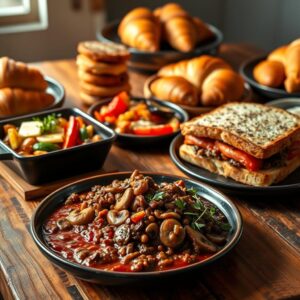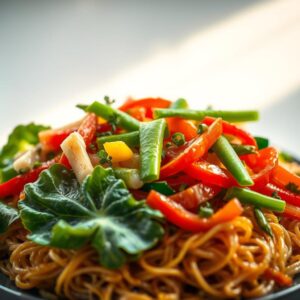
What if a few smart meals could make your next run feel easier and faster?
You’ll discover practical ways to match food to mileage without losing flavor. This intro shows how simple breakfasts, high-volume dinners, and quick snacks can support training and race day. You get clear advice on timing carbs, protein, and fats so your energy and recovery stay steady.
We also cover easy shopping and prep tips so busy people spend less time cooking and more time moving. You’ll learn which nutrients matter most for endurance athletes, when supplements help, and how to tweak comfort foods for performance.
Key Takeaways
- Simple meal plans can power daily training and race efforts.
- Timing carbs and protein matters for energy and recovery.
- Easy prep and pantry staples make meals faster and cheaper.
- Small swaps keep flavors fresh without extra effort.
- Practical tips help people balance nutrition and GI comfort.
Why Plant-Based Fuel Works for Your Training Today
Plant-forward food can supply the precise fuel your training needs when portions, timing, and variety are right.
Focus on energy first. A registered dietitian reminds you that a plant-centered diet meets athlete needs when total calories and macronutrients are adequate. Carbohydrates are key before workouts to top off glycogen, and a mix of carbs plus protein is essential after exercise to repair muscle.
Beets offer a practical edge: their nitrate content may boost blood flow and efficiency during efforts. Staples like oats, rice, and potatoes give reliable, easy-to-digest carbs for training and race day.
Manage fiber and protein smartly. High fiber in vegetables and legumes can cause GI upset near runs, so pick lower-fiber pre-run choices and save higher-fiber meals for other times. Aim for 1.4–2.0 g/kg/day of protein and spread it across the day to improve muscle synthesis.
- Pair non-heme iron sources with vitamin C to help absorption.
- Choose calcium sources like soy, fortified milks, and greens; consider vitamin D supplements if needed.
- Include zinc-rich foods such as chickpeas, tahini, tofu, and pumpkin seeds.
Practical plan: carbs before running, carbs + protein after, attention to micronutrients, and use of widely available vegan fueling gels and electrolyte products when needed. This simple course keeps your nutrition effective without overcomplicating your routine.
Build Your Runner Plate: Nutrition Essentials for Plant-Based Performance
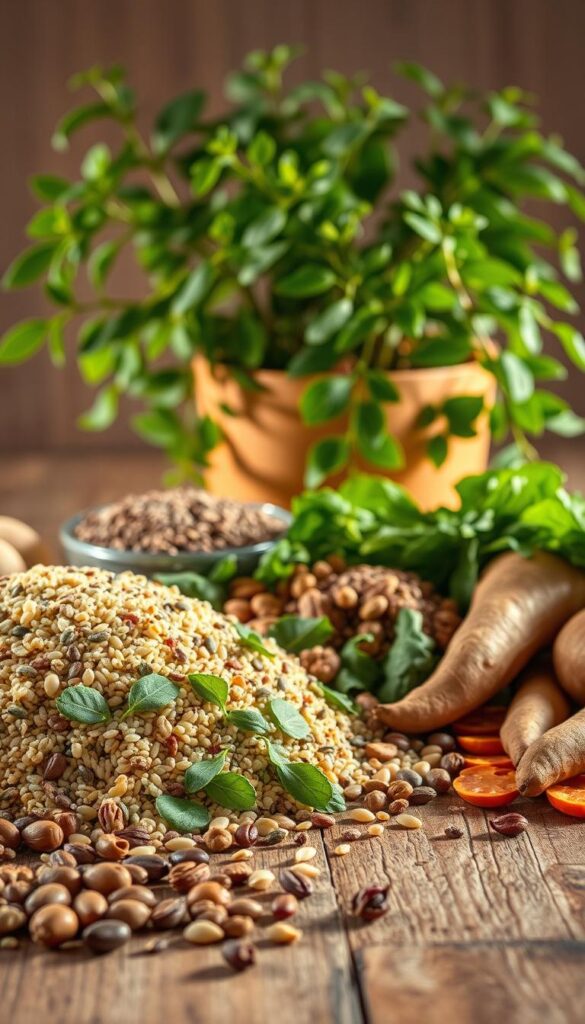
Smart ingredient choices let you scale carbs and protein for hard workouts, long runs, and quick recovery days. Focus on timing and portions so energy is steady and your gut stays calm.
Carbohydrates for training and race day
Base most fuel on oats, rice, potatoes, and beets. These carbs top off glycogen before sessions and work well on race day. Beets add dietary nitrates that may improve blood flow and efficiency.
Protein timing and distribution
Aim for 1.4–2.0 g/kg/day and spread protein across meals. Use tofu, tempeh, beans, and lentils so each eating occasion supports repair. Leucine-rich options help trigger muscle synthesis after hard efforts.
Smart fats and fiber timing
Layer in avocado, nuts, seeds, and oils for satiety and nutrient absorption. Keep pre-run picks lower in fiber to avoid GI upset; save higher-fiber ingredients for recovery meals.
Micronutrients and targeted supplements
Prioritize iron (legumes, fortified cereals) with vitamin C sides, calcium from tofu and fortified soy milk, and zinc from chickpeas and pumpkin seeds. Consider vitamin B12 regularly, creatine for power, and electrolyte powder when sweat loss is high.
| Role | Key Food Sources | When to Eat | Quick Tip |
|---|---|---|---|
| Carbohydrate | Oats, rice, potatoes, beets | Pre-workout & race day | Lower fiber before hard sessions |
| Protein | Tofu, tempeh, beans, lentils | Evenly across day | Include leucine-rich portions post-run |
| Fats & Micronutrients | Avocado, nuts, seeds; tofu, fortified milk | Meals away from start times | Use vitamin C to boost iron absorption |
| Supplements | B12, creatine, electrolyte powder | As needed | Check labels for hidden animal ingredients |
Build a simple plan that matches your weekly load, picks ingredients you enjoy, and keeps recovery reliable for every athlete.
Breakfast Power-Ups and Smoothies to Start Your Run-Ready Day
Start your day with compact, high-impact breakfasts that fuel long efforts without weighing you down. Pick options that match the time you have and the session ahead.
Oats and avocado toast form a dependable rotation. Add chia, hemp, or a tofu scramble for protein. These swaps help you hit targets fast on busy mornings.
Sweet starts and savory fasts
Try sweet potato pancakes or a cinnamon roll–inspired treat on lighter days when you want comfort and carbs. Kelly Wolf’s sweet potato version offers color and calories without fuss.
When you need savory energy, a quick kimchi rice bowl with Instant Pot rice, avocado, sesame seeds, and a drizzle of Bitchin’ Sauce is ready in minutes.
Performance smoothies
Blend a smoothie with protein powder, banana, frozen berries, and a hint of vanilla to meet protein targets without heavy prep. This option saves you time and cleans up fast.
“Batch-cook grains or batter on restful days so breakfast never slows your morning routine.”
| Option | Key Add-ins | Best for |
|---|---|---|
| Oats | Chia, hemp, citrus zest | Quick pre-run energy |
| Avocado toast | Tofu scramble, chili flakes | Steady fuel with healthy fats |
| Sweet potato pancakes | Cinnamon, nut butter | Lighter training or recovery |
| Kimchi rice bowl | Avocado, sesame seeds, sauce | Salty, savory mornings |
| Smoothie | Protein powder, banana, vanilla | Fast protein on the go |
- Save time: batch-cook grains or pancake batter to reheat during the week.
- Swap toppings to keep flavors fresh across the day and week.
- Match meal size to session: smaller before fast efforts, bigger on easy or long days.
vegan runner recipes for Lunch and Dinner: High-Volume, High-Color Meals
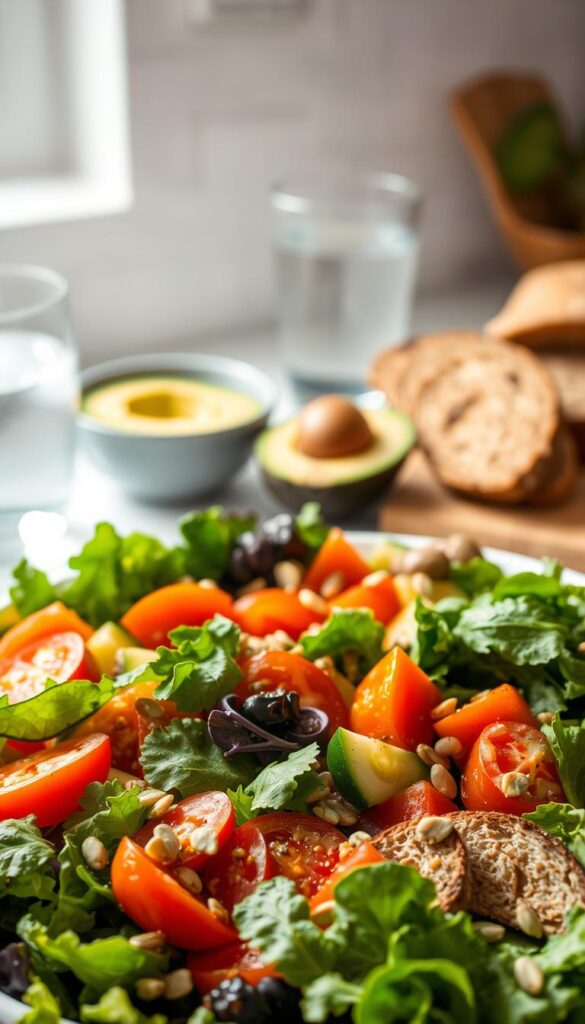
Simple, colorful lunches and filling dinners make it easy to hit calories and carbs when you need them.
Make lunches portable and dinners generous. Meal-prep a Moroccan lentil salad for sturdy midday fuel that travels well and gives carbs, fiber, and protein in one bowl.
Rotate seasonal salads—think asparagus or green bean versions tossed with vegan feta—to keep textures crisp and flavors bright without extra effort.
Work-bowl sanity
Rely on a no-recipe work bowl: sweet potato + rice + avocado + hummus. Add black beans when you want extra protein and staying power.
Comfort dinner ideas
For evening meals, pick indulgent but recovery-focused options: tahini-miso ramen, a tempeh or plant-based lasagna swap, stroganoff, or mac & cheese with roasted red pepper.
Crunch and color
Add a Thai salad with peanut tempeh to pile on veggies, or a house green soup to round out a heavy training day. On long-effort nights, lean on rice and potato sides to refill glycogen.
| Meal | Key Ingredients | Best for |
|---|---|---|
| Moroccan lentil salad | Lentils, citrus, herbs, olive oil | Meal-prep lunch |
| Sweet potato work bowl | Sweet potato, rice, avocado, hummus, black beans | Quick portable fuel |
| Comfort dinner | Ramen, lasagna, stroganoff, mac & cheese | Recovery and satiety |
| Seasonal salads | Asparagus or green beans, vegan feta, lemon | Light, crisp sides |
- Keep portions generous on heavy days and add rice or potato sides to refill glycogen.
- Adapt favorite dishes with plant-based meats, fortified milks, or extra greens to meet your goals.
On-the-Run Fueling and Post-Workout Recovery Made Simple
Keep fueling simple and test everything during training so you know what works on race day. Your fueling plan should match session length, heat, and how your stomach reacts.
Before your run: quick, lower-fiber options
You choose easy carbs that cut fiber and move fast through the gut. White toast, rice cakes, or a small banana are reliable options when time is short.
Eat 30–60 minutes before a short effort; 2–3 hours before a long run if you need more volume.
During your run: gels, chews, dates, and homemade bites
Many gels and chews are plant-based—read labels to avoid honey or dairy. Real-food choices like dates or homemade bars work well, too.
Match intake to pace and heat: more frequent carbs in hot conditions and on long training days.
After your run: carbs plus protein
Anchor recovery with carbs to refill glycogen and protein to repair muscle. Aim to eat within 30–60 minutes after finishing.
Don’t forget sodium and electrolytes
On long or hot days include an electrolyte powder or sports drink that fits your sweat rate. Sodium matters most when sweat loss is high.
| Phase | Quick Options | Why | Tip |
|---|---|---|---|
| Pre-run | White toast, rice cakes, small banana | Low fiber, low GI distress | Keep portions small if time is limited |
| During run | Gels, chews, dates, homemade bars | Quick carbs to sustain effort | Test flavors and carry methods in training |
| Post-run | Smoothie with powder, sandwich, rice + tofu | Refill glycogen and supply protein | Aim for carbs:protein ~3:1 |
| Electrolytes | Powder mixes, sports drink | Replace sodium and minerals | Choose based on taste and sweat rate |
“Test your snacks and bars during training so race day is predictable.”
Snacks and Sweet Treats that Support Your Training
You want snacks that travel, taste good, and actually support weekly training. Pack a few portable options and you’ll avoid low-energy lapses and poor fueling choices.
Iron-rich fig bars from Run Fast Eat Slow and coffee date bites popularized by Running On Veggies make excellent training-week insurance.
Portable energy: bars and bites
Keep a stash of fig bars and coffee date bites in your bag for long days or travel. They provide quick carbs and iron-supportive ingredients without a lot of prep.
Cookies, brownies, and celebratory cake
Enjoy cookies and brownies in moderation so cravings don’t derail progress. Choose forgiving chocolate chip cookies, the famed rich brownies, or a layered cake from Bianca Zapatka or Loving It Vegan for milestones.
Opt for versions that lean on whole-food fats and less refined sugar when possible.
Raw-style desserts and smart swaps
Raw nut-and-date pies and simple freezer-friendly bars deliver whole-food indulgence with minimal prep. You can also swap black beans into brownie batter for added moisture and protein.
Try a vanilla-infused frosting to boost flavor without excess sugar, and organize a weekly bake session so you always have a couple of bars or cookies ready.
- Pack both sweet and savory: balance your snack drawer to match appetite after different workouts.
- Bake once, eat all week: batch bars or cookies for reliable post-run fuel.
- Test flavors: find which bites sit well before and after hard efforts.
“Stock small, nutrient-dense treats so fueling remains simple and predictable.”
Flavor on a Budget: Quick Tips from Plant-Based Runners
A couple of bold sauces and a splash of acid make weekday dinners pop without extra effort. Use simple swaps so your meals feel fresh even when your plan is basic.
Instant flavor: sauces, acids, and spice blends
Transform a plain bowl fast. Whisk a peanut-lime or tahini-miso sauce, or pour salsa verde over grains. A squeeze of lemon or splash of vinegar brightens vegetables instantly.
Keep a handful of spice blends—garam masala, chili-lime, everything bagel—to add interest without long cooking.
Time-saving prep: batch grains, beans, and veggies
Batch-cook rice, oats, and beans on the weekend so assembly takes minutes during the week. Roast a tray of mixed veggies and store a simple dressing to mix-and-match options.
- Choose ingredients that repeat across dishes: tahini, soy sauce, vinegar, garlic.
- Use two anchor sauces per week so any option has instant flavor.
- Small upgrades—fresh herbs, toasted nuts, a spoon of chili crisp—make a course feel special.
“A tight pantry and a short plan keep flavor high and cost low.”
Conclusion
Finish strong by turning these ideas into a simple week of meals that support training and recovery.
Pick a breakfast you enjoy, one salad or grain bowl, a comfort dinner, and a smoothie for training days. Build meals around rice or potato plus beans, veggies, avocado, and a spoon of hummus so preparation stays fast.
After every run pair carbs and protein—use protein powder or tofu, plus a snack like bars or cookies when needed. Rotate salads and warm bowls, swap sauces for variety, and keep a sweet potato or lentil option ready.
Stay flexible: adjust portions after long efforts, check how you feel, and tweak the plan to fit your diet, budget, and running goals.