Can one simple meal plan turn a slogging day on the trail into an energizing adventure?
You can rely on portable, high-energy food that tastes great and travels light. This guide shows how to pick pantry staples, packable proteins, and quick snacks so every backpacking day feels planned and satisfying.
Expect no-cooler ideas like nut-butter quesadillas, dense apricot-almond bars, and trail mix blends that hold up in heat. With a cooler you can add overnight oats, pesto pasta salad, and reheated sheet-pan dinners for dinner that comforts and fuels.
Chef tips will help you balance taste, nutrition, and packability. You’ll learn how to use dried proteins, spice mixes, and bright ingredients like citrus to lift flavors without bulk.
By the end, you’ll have a clear split of options for different trip setups and simple on-trail methods to keep your hiking energy steady and your meals enjoyable during every mile of your adventure.
Key Takeaways
- Plan meals around light, filling foods to maintain steady energy on backpacking days.
- Use pantry staples and dehydrated proteins for lightweight, versatile options.
- Pack no-cooler snacks like bars and nut-butter bites for easy access on the trail.
- Reserve cooler-friendly meals for trips with ice to enjoy bigger breakfasts and reheated dinners.
- Bright flavors and fresh veg lift simple dishes without adding bulk.
- Chef-tested tips make meal prep and rehydration predictable and satisfying on every trip.
What You’ll Learn in This Ultimate Guide to Backpacking Food
This guide shows how to turn simple food choices into reliable fuel for every mile of your trip.
Plan smarter, pack lighter, and save time. You’ll get clear steps for group planning, pantry-first shopping, and organizing daily meals so each person knows what to bring and when to eat.
Start by assigning each person a day to handle breakfast, lunch, dinner, and snacks. Use quick-cooking bases from your pantry—rice, noodles, couscous, grits or polenta, tortillas, instant mashed potatoes—to scale servings and cut prep time.
- Clarify trip intent so meals match pace, elevation, and daily goals.
- Decide portions for the number of people, then assign responsibilities to avoid duplication.
- Pack each meal into compostable Ziplocks or Stasher bags, then store one day per stuff sack for fast access.
- Choose between calorie-based planning (2,500–4,000 cal/day) or hearty-serving planning based on comfort and appetite.
| Planning Aspect | Quick Tip | Why it Helps |
|---|---|---|
| Group Roles | Assign breakfast/lunch/dinner duties | Reduces duplication and decision time |
| Pantry Staples | Pick lightweight bases that scale | Saves weight and simplifies meals |
| Organization | Pre-portion meals into daily sacks | Speeds camp setup and keeps your bag tidy |
Smart Trail Planning: Portions, Weight, Gear, and Stove Setup
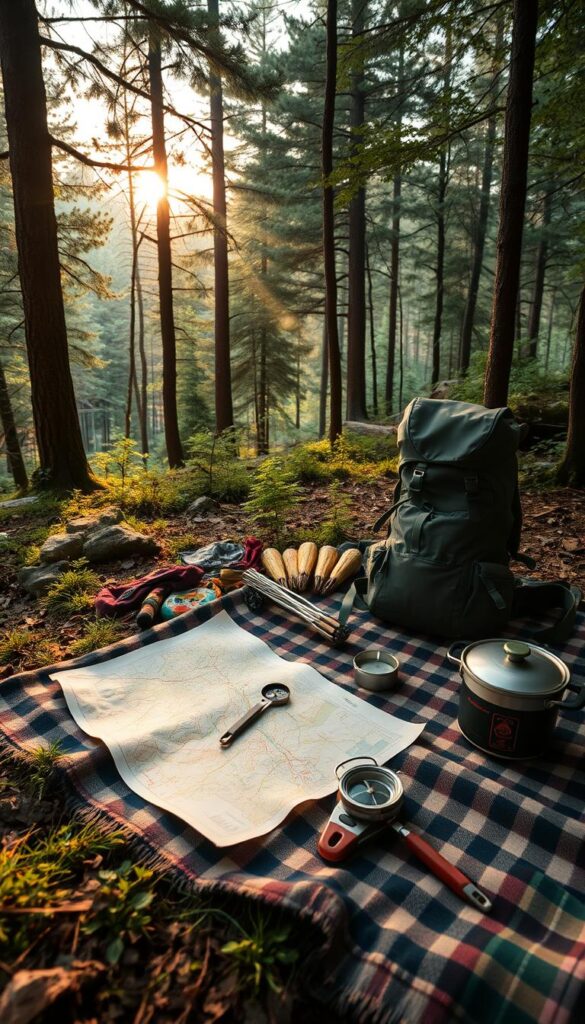
Good trail planning starts with a simple daily outline that matches appetite, pace, and group size.
Plan for people and days
Decide whether you plan by calories or by hearty servings. Use 2,500–4,000 calories per person per day as a guide, or scale recipes by serving size if your group eats larger portions.
Pack each day’s breakfast, lunch, dinner, and snacks into a stuff sack. That stops rummaging and helps you track rations.
How much food to bring
Build a sample day menu and multiply by days and people to check weight. Carry oils and sauces in 1–2 oz reusable bottles to cut spills and extra weight.
Cookware and stove setup
Match pot capacity to group size: solo 300–500 ml; two people 500 ml–1.2 L; 2–4 people 1.2–2.5 L; 4+ people 2.5–4 L.
Ensure the burner supports the pot circumference for stability. A stable stove-pot combo reduces spills and speeds cooking.
Water, fuel, and minutes-to-meal
Estimate water per meal and per day, and pick quick-cooking bases to save fuel and time. In shoulder seasons favor shorter cooks; in summer you can stretch rehydration overnight.
- Plan minutes-to-meal by season and daylight.
- Use one-pot dishes for fast cleanup.
- Assign simpler meals on big-mile days to save energy.
Pantry Staples, Protein Picks, and Flavor Boosters That Pack Light
Start your pantry list with fast-hydrating bases that cut cook time and lighten your pack. These go-to foods form the backbone of easy camp meals and help you stretch fuel on long days.
Lightweight bases include couscous, instant mashed potatoes, rice, rice noodles, pasta, tortillas, and quick polenta or grits. They rehydrate fast and keep meal size manageable.
Trail-ready protein comes as dehydrated legumes, TVP, soy curls, nuts, seeds, peanut butter powder, and plant protein powder. These ingredients pair with beans or grains for balanced, portable meals.
Spice and sauce mix-ins let you change flavors without bulky bottles. Pack curry, chili powder, Italian herbs, garlic/ginger powders, coconut milk powder, and small salsa packets. Check labels so spices—not salt—lead the ingredient list.
Freshness that lasts means hardy vegetables like bell peppers, carrots, cabbage, kale, snap peas, and zucchini. Add lemon, lime, or sumac for bright acid that won’t leak.
- Portion a tiny bottle of oil and a pinch shaker of salt for finishing touches.
- Mix rice or noodles with beans, vegetables, and your protein for complete meals.
- Bookmark a few base meals that use the same ingredients with different spice mixes to keep variety simple.
Vegan Hiker Recipes: No-Cooler Snacks and Grab-and-Go Energy
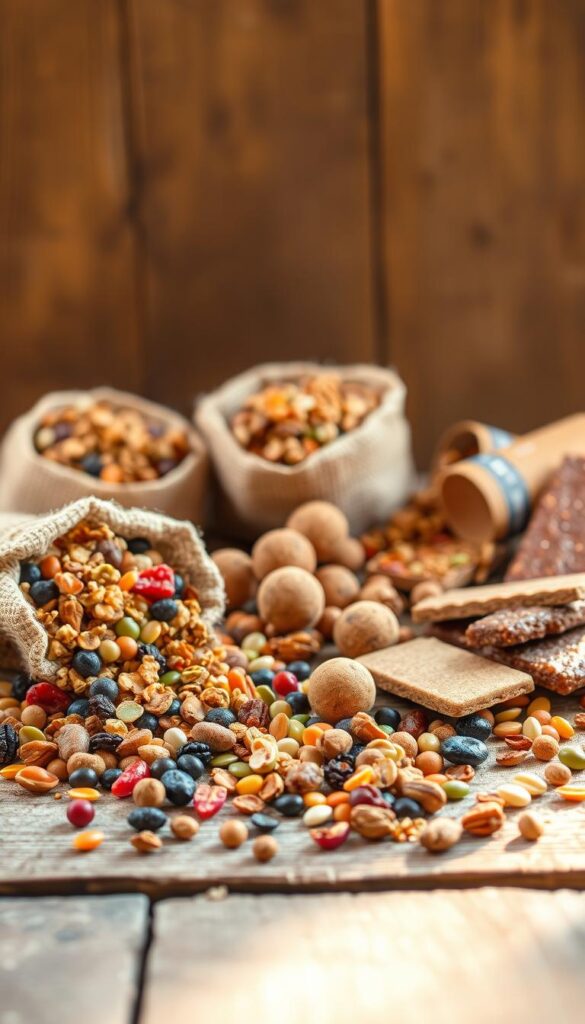
Pack smart snacks that resist heat and crush so you can grab energy without slowing down.
Five-minute trail mix is a win: toss cashews, dried cranberries, dark chocolate (omit in very hot summer), shredded coconut, and cinnamon. Portion the mix into small bags so each person grabs one per day.
SunButter & Jelly bliss balls hold up at room temperature. Use seed butters or peanut butter for variety. PB&J baked breakfast bars are oil-free and include plant protein; slice and stash in bags away from direct heat.
For a summit bite, toast nut butter and jam tortillas on both sides, wrap in foil, and keep near the top of your pack for about 24 hours. Dense apricot-almond bars resist squashing and sit well at the bottom of your pack for long climbs.
Room-temp tips: limit oily fillings in high heat, add a pinch of salt for electrolytes, and stagger snacks through the day to balance quick sugars with fats and protein for longer-lasting energy.
- Build a simple mix (nuts, dried fruit, crunch, spice) and rotate flavors like cinnamon or citrus zest.
- Portion into bags to speed breaks and control rations across multiple days.
Backpacking Meals With a Cooler: Make-Ahead Dinners, Sides, and Breakfasts
A small cooler expands your menu and trims camp cooking time. You can bring chilled prepped breakfasts, shareable sides, and hearty dinners that reheat fast. These make-ahead ideas keep variety high during the first days of your trip.
Breakfast jars and easy fruit snacks
Overnight oats portioned into jars get you out of camp fast. Add granola or a spoonful of nut butter before you eat.
Apple “nachos” are sliced apples tossed with lemon, drizzled with nut butter, and sprinkled with dried fruit and cinnamon. They serve as quick breakfast or snacks.
Chilled sides that travel well
Pesto pasta salad holds flavor without fragile greens; add a splash of water if the sauce tightens. Rosemary three-bean salad is pre-dressed, rich in protein, and perfect for passing around.
Make-ahead dinners to reheat
Bake a sweet potato-chickpea sheet-pan meal ahead—eat it cold or warm it on your camp stove. Vegan chocolate chili reheats in minutes, scales for a group, and pairs well with avocado and hot sauce.
- Keep cooking simple: one-pot warming or no-cook finishes save time and dishes.
- Use the cooler early in the trip for items that keep texture and flavor.
- Finish the night with cookie s’mores for a morale-boosting post-adventure treat.
DIY Backpacking Recipes You Can Cook on Trail
Prepare a handful of do-able, on-trail meals that mix fresh texture with fast rehydration.
Breakfasts
Tropical oatmeal: stir dried mango, coconut milk powder, and a spoonful of nut butter into hot oats. Let it sit 5 minutes to rehydrate and add a squeeze of lime for brightness.
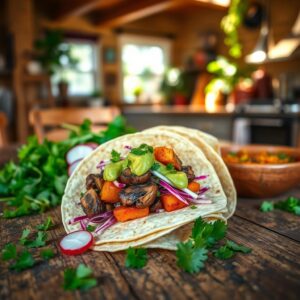
Avocado-tomato-spinach sandwich: mash avocado with lemon, layer with tomato and spinach on a tortilla or sturdy bread. It adds fresh vegetables and healthy fat without extra cooking.
Lunches
Green goddess grain bowl: use cooked rice or another grain, toss with crunchy chickpeas, chopped herbs, and a mayo packet thinned with lemon. It’s a no-cook, high-protein lunch that assembles in minutes.
Green veggie trail sushi: pack cooked, slightly sticky rice, durable veg like cucumber and carrot, and roll in nori. Tip: use nori early in the trip—it tears less when fresh.
Dinners & Packing
Pad Thai noodle bowl: rehydrate rice noodles, toss with peanuts, lime, tamari in a small bottle, and top with scallion and crushed chili for a fast, comforting dinner.
Simplified stew: mimic the cozy #TheStew by layering spices, dehydrated vegetables, legumes, and coconut milk powder. Simmer until thick for a warm bowl with minimal dishes.
Packing tips: pack each meal’s ingredients in one Stasher or Ziplock and store daily bags in a stuff sack. Carry oil, vinegar, or soy in 1–2 oz bottles and spices in small tins to cut weight and keep flavors handy.
High-Protein Plant-Based “Meat” Options and Dehydrating for the Trail
Test shelf-stable patties and crumbles in your kitchen to check flavor, digestibility, and how they dry. Start with a known brand: Beyond Burger lists pea and rice protein plus canola, coconut, and cocoa butter. They are soy- and gluten-free.
Cook, press, and crumble. Sear per package (about four minutes per side), press hot to remove excess oil, blot with paper towels, then crumble evenly.
Season per burger (~113 g): taco mix — 2 Tbsp water + 1 tsp taco seasoning. Italian — 2 Tbsp water + 2 Tbsp tomato sauce and pinches of garlic, onion, basil, oregano.
Dehydrate and use
Dry crumbles at 145°F (~63°C) about five hours; one burger yields ~33 g dried. Use in unstuffed peppers (with dried rice, dried vegetable, tomato powder; add 2 cups water, boil 1 minute, then cozy 15 minutes).
For taco wraps rehydrate 1/2 cup dried taco crumbles with 1/4 cup water in minutes, then assemble. For chili, cook four burgers into a bean-tomato chili, dehydrate ~8 hours; rehydrate 1 cup dried with 1 1/3 cups water, boil 1 minute, cozy 15 minutes.
- Test at home first for salt and digestion.
- Use one stove and one pot to keep backpacking meals simple.
Conclusion
, Close out by picking a few go-to meals and snacks that rehydrate fast and cut cook time. Keep portions simple so you get steady energy on long hiking days and save a bit of fuel and time at camp.
Pack each day’s food into one stuff sack with mini bottles and a spice tin. Test your stove-pot pairing and portion sizes at home so you carry only what you need for the backpacking trip.
You’ve seen no-cooler snacks, cooler make-aheads, on-trail DIY dishes, and dehydrated plant-based crumbles. Save this post, adapt the templates, and head out confident that your plan will fuel miles, restore energy, and make the adventure a lot more enjoyable.