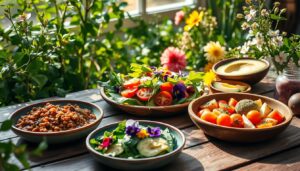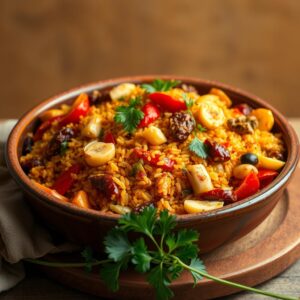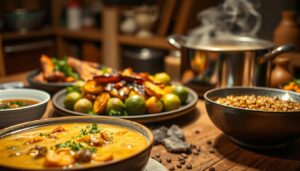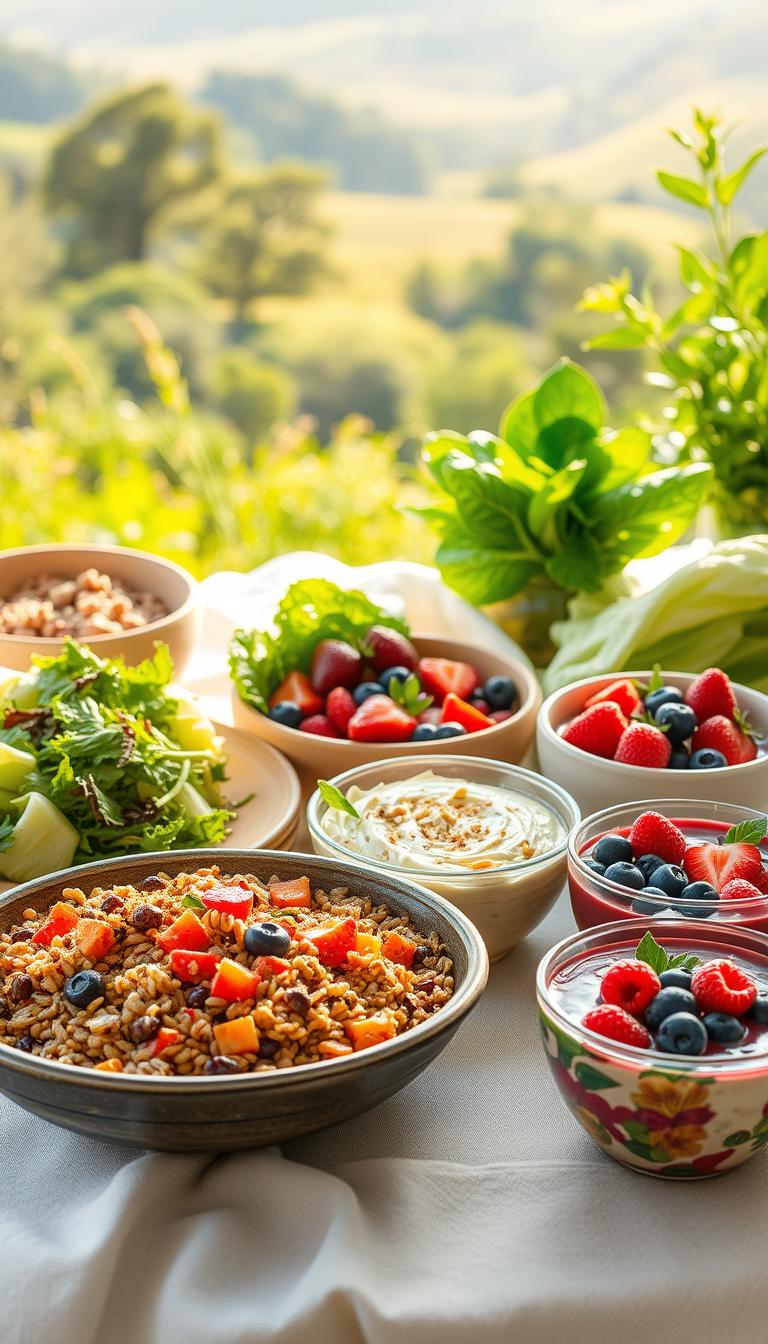
Are you ready to change your daily meal plan to better support conception and still enjoy tasty food?
You can feel empowered by shifting to a plant-first approach while trying to conceive. With simple planning, you can hit key nutrition targets like B12, choline, iron, and plant-based omega-3s without overcomplicating meals.
Think smoothies with berries, spinach, flax, oats, and pumpkin seed butter. Or a Mediterranean-style pasta salad with chickpeas and olive oil. You can also make a quick green lentil and walnut taco filling for a satisfying, iron-rich meal.
Throughout this article you’ll find practical meal ideas and tips that fit your lifestyle, reduce refined carbs, and keep energy steady through the day. These food choices aim to support hormone balance, body health, and pregnancy preparation while staying realistic and enjoyable.
Key Takeaways
- You’ll find plant-forward ideas that pair flavor with function to support your goals now.
- Simple meals can deliver iron and omega-3s without long ingredient lists.
- A thoughtful diet can reduce refined carbs and boost steady energy through the day.
- Meal frameworks like smoothies, pasta salads, and lentil tacos make planning easy.
- These strategies fit different lifestyles, whether you go fully plant-based or add more plants to your plate.
Plant-powered fertility nourishment: what you need to know before you cook
Understanding key nutrients first makes meal planning simple and powerful for trying to conceive.
Focus on essentials that support pregnancy and overall health. Prioritize iron, folate, omega-3 fatty acids, and protein by choosing fortified items and whole-food swaps. Avoid leaning on refined grains and added sugar; these choices can leave you short on vitamins and slow energy.
Key fertility nutrients on a plant-based diet: iron, folate, omega-3s, and protein
Iron and folate help support ovulation and early pregnancy needs. Choose lentils, leafy greens, and fortified cereals to boost intake. Add flax, chia, or algae-based options for omega-3 fatty acids.
“A balanced approach to essential nutrients beats trend-driven fixes when you’re preparing for pregnancy.”
How to balance your plate for TTC: whole grains, beans, vegetables, seeds, and olive oil
Pair whole grains with beans or legumes to reach protein goals and build complete amino acids. Drizzle extra-virgin olive oil to add healthy fats and help absorb fat-soluble vitamins.
- Make whole grains such as quinoa or brown rice the base.
- Add a legume (lentils or chickpeas) and plenty of colorful vegetables.
- Top with seeds or nuts and a splash of olive oil for satiety.
| Nutrient | Plant sources | Why it matters | Quick tip |
|---|---|---|---|
| Iron | Lentils, spinach, fortified cereal | Supports blood and oxygen for pregnancy | Eat with vitamin C to boost absorption |
| Omega-3 fatty acids | Flax, chia, algae supplements | Supports cell function and hormone balance | Grind seeds for better uptake |
| Protein | Beans, tofu, whole grains + seeds | Helps tissue repair and hormones | Combine grains + beans for complete protein |
Vegan fertility recipes you can make today

Small swaps in common dishes add up to big nutrition wins for pregnancy planning. Below are three easy meals you can make now. Each one focuses on protein, complex carbs, and healthy fats to support steady energy and hormone balance.
Berry and banana fertility smoothie with spinach, oats, flax, and pumpkin seed butter
Blend 1 banana, a handful of spinach, 125 g berries, and 125 ml coconut water until smooth.
Add 1 tbsp pumpkin seed butter, 1 tsp vanilla, 1 tsp ground flax, and 2 tbsp rolled oats for texture and protein. Freeze spinach and berries in portion bags for fast prep.
Mediterranean pasta salad with olive oil, vegan yogurt dressing, chickpeas, and cucumber
Cook 2 cups pasta and chill. Whisk 1/3 cup vegan yogurt, 2 tbsp white wine vinegar, 1 tsp Italian seasoning, and 1 tsp olive oil.
Mix in 1 can strained chopped tomatoes, 1/2 cucumber, and 1/2 cup chickpeas. Season with salt and parsley for a bright, fiber-rich salad.
Green lentil-walnut tacos with peppers, onion, and leafy lettuce wraps
Cook 1 cup green lentils and toast 1 cup walnut pieces. Sauté 1 bell pepper and 1 onion in oil.
Pulse lentils and walnuts with oregano, cumin, chili powder, salt, oil, and a splash of water to make a chunky filling.
Spoon into romaine leaves and top with salsa, cilantro, avocado, and lime juice for added nutrients and crunch.
“Aim for balanced plates that combine protein, seeds, and whole grains — small steps that support your body through pregnancy planning.”
Fertility-friendly lunch bowls and salads (easy to prep and take on the go)
Packable lunch bowls can make it easy to get balanced nutrients on busy days. Build lunches that combine whole grains, legumes, and fresh vegetables so you get steady energy and protein for the afternoon.
Mediterranean chickpea salad
Make a portable Mediterranean salad with chickpeas, cucumber, cherry tomatoes, red bell pepper, and red onion. Add kalamata olives, minced garlic, red wine vinegar, oregano, salt, and a drizzle of extra-virgin olive oil.
Swap feta for a plant-based version or skip it to keep the salad fully plant-based without losing flavor.
Protein-packed tabbouleh with quinoa
Combine cooked quinoa and green lentils with parsley, mint, cucumber, tomatoes, and scallions. Dress with lemon juice and olive oil, then sprinkle hemp seeds to boost protein and healthy fats.
This bowl uses whole grains and legumes to improve satiety and amino acid balance for pregnancy planning.
Omega Power Salad, plant-based
Toss mixed greens with diced apple, hemp seeds, lemon juice, and olive oil. The seeds add omega-rich fats and about 3 g protein per serving.
Batch-cook grains and legumes on the weekend and layer dressings on the bottom of leakproof containers to keep textures crisp until lunchtime.
- Prep tip: Use leakproof jars; heavy dressings go on the bottom.
- Make-ahead: Batch grains and legumes for quick bowls all week.
“Keep vegetables front and center and include a reliable protein source in every bowl to support your diet and pregnancy goals.”
Warming vegan soups for fertility-focused meal prep

Cool-weather soups make it easy to batch-cook nourishing meals that reheat well all week. Use a few simple pans and low-sodium broth to create bowls that support pregnancy planning with steady protein and fiber.
Butternut squash with apples and warm spices
Sauté onion, add cubed squash and chopped apples, then pour in low-sodium vegetable broth. Season with nutmeg, black pepper, and a pinch of cayenne.
Top each cup with toasted bread cubes mixed with plant-based parmesan for crunch, or simply drizzle oil on top.
White bean and kale soup
Sweat garlic and onion in olive oil, add canned white beans and tomatoes, then stir in chopped kale. Blend part of the pot for a creamy, protein-forward texture without dairy.
Veggistrone packed with vegetables and beans
Cook onions, celery, bell pepper, and a mix of vegetables in broth and tomato sauce. Add kidney or pinto beans and finish with fresh spinach and basil for bright flavor.
Smoky black bean soup
Sauté onion, carrot, garlic, and jalapeño; add canned black beans, diced tomatoes, cumin, and low-salt broth. Partially puree for body and finish with cilantro and green onions.
Quick batch-cook tips
- Scale with cups and cups measurements to fit your household.
- Season carefully with salt and pepper near the end to preserve flavor.
- Add extra beans or lentils to boost protein and serve with whole-grain bread or a side salad.
| Soup | Key vegetables | Protein source | Finish |
|---|---|---|---|
| Butternut squash | Squash, onion, apples | None or added lentils | Plant-based parmesan croutons |
| White bean & kale | Kale, tomato, onion | White beans (blended part) | Parsley, olive oil |
| Veggistrone | Carrot, celery, bell pepper, spinach | Kidney/pinto beans | Basil, bay leaf |
| Black bean | Onion, carrot, jalapeño | Black beans | Cilantro, green onion |
Your fertility pantry: ingredients, swaps, and prep tips
Keep the right basics on hand to make nourishing meal choices effortless. Stock BPA-free canned goods, lower-sodium vegetable broth, diced tomatoes, and tomato sauce so quick soups and salads are ready in minutes.
Choose extra-virgin olive oil as your everyday oil and keep red or white wine vinegar plus lemons for simple olive-forward vinaigrettes and fresh lemon juice dressings. Batch-cook quinoa and lentils so weekday assembly takes under ten minutes.
- Keep canned beans (black, cannellini, chickpeas) and whole grains to fast-track weeknight meals.
- Stock seeds like hemp, chia, and flax for a protein and fiber boost that supports your body.
- Make small changes: swap refined grains for quinoa and trade sugary dressings for olive oil and lemon juice.
Read labels to limit added sugar and favor fortified items that add vitamins. Use measured salt and pepper to season with intention. Prioritize reliable sources—BPA-free cans and quality olive oil—to protect overall health during pregnancy planning.
“Set up one weekly prep session: cook bases, chop veggies, and portion dressings to make balanced meals simple.”
| Pantry item | Why keep it | Quick use |
|---|---|---|
| BPA-free canned beans | Fast protein and fiber source | Add to soups, salads, or bowls |
| Low-sodium vegetable broth | Base for soups with less salt | Use in stews or to cook grains |
| Extra-virgin olive oil | Healthy fat and dressing base | Vinaigrettes, sautés, finishing oil |
| Quinoa & lentils | Whole grains and protein | Batch-cook for quick meals |
| Hemp, chia, flax seeds | Protein, fiber, omega-rich fats | Sprinkle on salads or smoothies |
Conclusion
, Let practical meal templates guide your plate choices so you can stay consistent each day. Use a simple set of vegan fertility recipes you rotate through the week to cut decision fatigue and shop smarter.
Build bowls with whole grains, lentils, beans, a handful of spinach, a sprinkle of seeds, and a drizzle of olive oil. Portion with cups and cup measures to keep protein steady and make lunches easy to grab.
Season with pepper and herbs, limit added sugar, and brighten plates with lemon juice. Pair soup and bread for comfort, or blend a morning smoothie and pack a midday bowl to support pregnancy goals and overall health. These small steps help you stick to a balanced diet and trust your food sources as you plan for baby.