You are currently viewing Boost Your Iron with These Vegan Iron Rich Recipes

Boost Your Iron with These Vegan Iron Rich Recipes

Could a few smart swaps at breakfast change how energized you feel by noon?

You can boost iron in your meals without big fuss. Iron carries oxygen in your blood, and low levels can lead to fatigue, poor focus, and light-headedness. Simple choices matter.

This guide shows how to add more plant-based iron using everyday foods like tofu, beans, nuts, seeds, whole grains, and leafy greens. You’ll learn tiny cooking moves and pairing tips that help your body absorb more of what you eat.
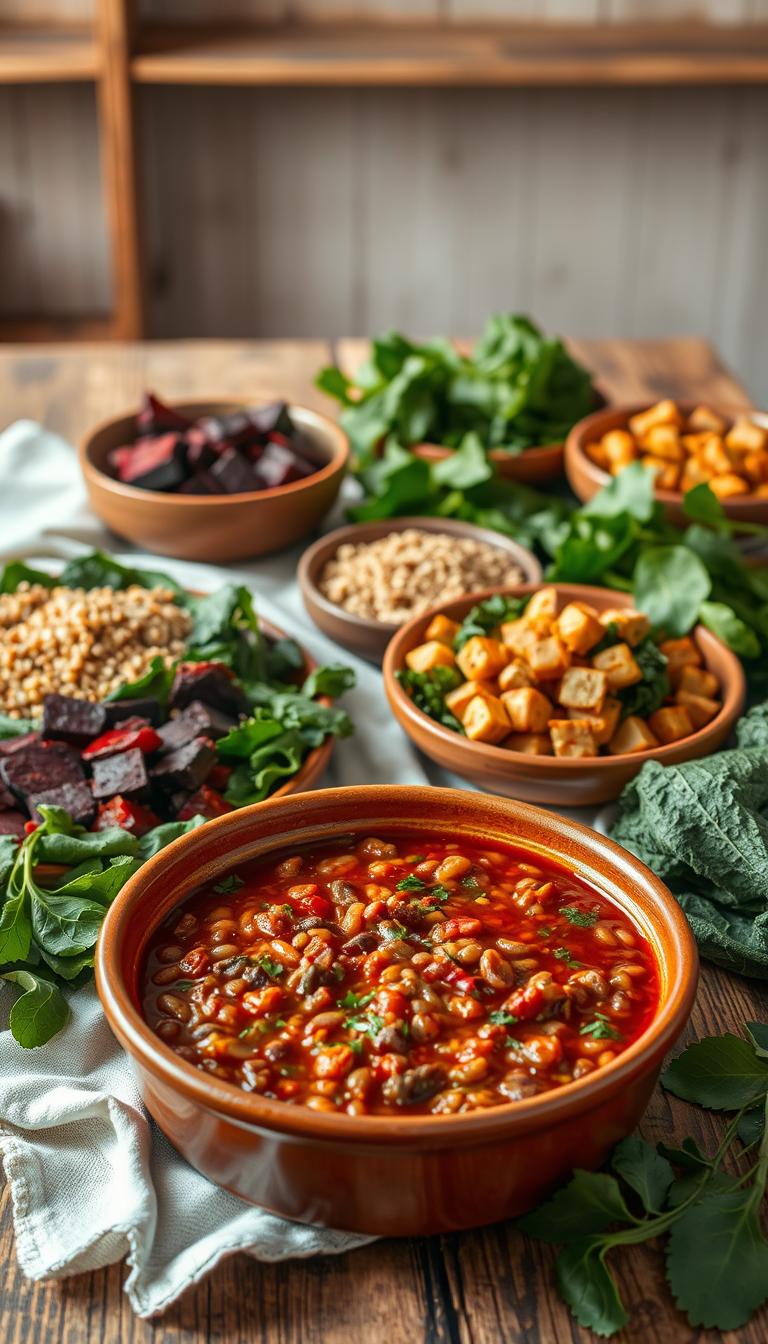
Practical meal ideas follow a plate method: half fruits and vegetables, a quarter whole grains, and a quarter protein. That approach fits busy U.S. routines and helps vegans get steady protein and minerals without a total diet overhaul.

Key Takeaways

  • Iron is vital for energy and focus; low levels cause clear symptoms.
  • Everyday plant foods—tofu, beans, seeds, greens—can boost intake.
  • Pairings and simple cooking tips improve absorption.
  • Use the plate method to plan balanced meals fast.
  • Options include quick weeknight dishes and make-ahead meals.

Why Iron Matters on a Plant-Based Diet in the United States

On a plant-first diet, the form of iron you eat changes how much your body can use. You rely mostly on non-heme sources, which your body absorbs differently than the heme form found in animal foods. That difference makes meal composition and pairings more important for steady energy.

Non-heme vs. heme iron: what changes for you

Non-heme iron comes from beans, seeds, grains, and vegetables. Your body absorbs it less efficiently than heme. Simple tweaks—like adding a vitamin C food to a meal—can boost iron absorption significantly.

Daily iron needs and what that means for your meals

Use US RDAs as your guide: 8 mg for most non-menstruating adults, 18 mg if you menstruate, and 27 mg during pregnancy. Some experts suggest vegetarians may need up to 1.8 times more, but many dietitians recommend starting with the standard RDA unless tests show low levels.

  • Build plates with protein, whole grains, and vegetables to hit targets.
  • Pair high-iron foods with citrus, peppers, or broccoli for better iron absorption.
  • Keep coffee, tea, and large calcium doses away from iron-forward meals.

Keep perspective: people on plant-based diets can meet needs with smart planning, variety, and periodic checks with a healthcare provider.

Top Vegan Iron Sources You Can Add to Any Meal

Small swaps at each meal—like lentils for pasta or tahini on toast—add meaningful mineral boosts.

Legumes and soy are everyday workhorses. Cooked lentils deliver about 3.5 mg per 1/2 cup, and chickpea offers roughly 2.5 mg per 1/2 cup. Tofu and tempeh make great bowl bases: tofu ~2.4 mg per 150 g; tempeh ~4 mg per 150 g. Edamame also adds a steady lift.

Seeds, nuts, and spreads

Snack or sprinkle: pumpkin seeds (3 mg per 1/4 cup) and hemp hearts (2.3 mg per 2 tbsp) pack power. Tahini gives about 2.7 mg per 2 tbsp and works well as a dressing or spread.

Greens and grains

Rotate cooked spinach (3.5 mg per 1/2 cup) and chard into meals. Oats (1.75 mg per cooked cup) and quinoa (1.5 mg per 1/2 cup cooked) layer steady amounts across the day.

  • Combine legumes + greens + grains for balanced plates.
  • Batch-prep tahini dressings and roasted seeds for easy add-ons.
  • Use serving estimates as simple planning guides — a 1/2 cup cooked portion is often enough to matter.
Food Serving Approx. iron (mg) Best use
Lentils 1/2 cup cooked 3.5 Soups, bowls, salads
Chickpea 1/2 cup cooked 2.5 Hummus, stews
Pumpkin seeds 1/4 cup 3.0 Toppings, snacks
Cooked spinach 1/2 cup 3.5 Pasta, scrambles

vegan iron rich recipes

This collection groups easy make dishes so you can pick a dinner plan in minutes.

How this list is organized for quick cooking and planning:

  • Navigate by meal type—curries, stir-fries, pastas, bowls, breakfasts, snacks, and sauces—so you jump to what you want to cook tonight.
  • Time cues and batch notes point out 20–30 minute recipes, five-minute sauces, and larger weekend cooks like lentil shepherd’s pie and quinoa chili for easy weeknight dinner leftovers.
  • Pantry tags (beans, grains, seeds) help you build a meal fast from what’s on your shelves.
  • Smart pairing tips—add a vitamin C side—to boost absorption without extra cooking steps.
  • Seasonal swaps, scaling guidance, and storage notes help you make once and eat twice while keeping flavor fresh.
  • Look for cross-links: one sauce can convert a stir-fry into a pasta or a bowl across the week.

Iron-Packed Curries and Stews You’ll Crave

A vibrant, aromatic curry dish in the foreground, brimming with earthy spices and tender vegetables. The rich, creamy sauce gently simmers, beckoning the viewer to indulge. In the middle ground, a colorful array of iron-rich ingredients such as lentils, spinach, and chickpeas. The background showcases a cozy, rustic kitchen setting, with warm lighting and wooden accents. The overall scene conveys a sense of nourishment, wholesome comfort, and a celebration of vegan, iron-packed goodness.

Warm, one-pot stews can turn pantry staples into satisfying weeknight meals that also help you meet nutrient goals.

Sweet potato & red lentil coconut milk curry: You’ll simmer red split lentils with diced sweet potato, grated ginger, and coconut milk for a creamy curry that delivers fiber and iron in one pot.

Sweet potato & red lentil coconut milk curry

Use tomato paste, cumin, and turmeric to build depth. Finish with a squeeze of lime and a quick chopped pepper salsa to boost absorption.

Aubergine and red lentil curry

Softened eggplant meets red lentils and a bright sauce. The citrus finish lifts flavors and helps your body use more iron from the meal.

Mauritian butter bean curry & quinoa chili

Try cari gros pois for a pantry-friendly butter bean curry, or make a quinoa and black bean chili for a creamy, high protein bowl. Fold in butternut squash for sweetness.

  • Layer in grated ginger and garlic for depth without fuss.
  • Portion about one cup per serving; freeze extras for fast meals.

Quick Stir-Fries and Sautéed Dishes for Busy Weeknights

A quick stir-fry can turn a few staples into a weeknight meal that’s fast, flavorful, and nutrient-focused.

Tempeh stir-fry with a nutty sauce pairs browned tempeh and toasted seeds with a peanut-sesame sauce. Add colorful veggies like bell pepper and broccoli for vitamin C and crunch. This one-pan meal boosts iron from soy while staying speedy and satisfying.

Kung pao-style tofu in 30 minutes

Heat oil, sear tofu until golden, then toss with peppers, scallions, and a tangy garlic-chili sauce. Use ginger and garlic as your aromatics so prep stays short. Serve over rice for a balanced, weeknight-friendly recipe that comes together in about 30 minutes.

Mapo tofu with Sichuan heat

For more depth, make a home-style mapo tofu with chili oil and Sichuan peppercorns. Fold in mushrooms or a handful of greens to nudge up iron and texture. Adjust the chili and pepper to match your heat tolerance.

  • Keep aromatics simple—ginger and garlic—for big flavor with little fuss.
  • Cook extra tofu or tempeh and store leftover sauce so tomorrow’s lunch is ready in minutes.
  • Rotate sauces (peanut-sesame, garlic-chili) to keep meals fresh and flexible.

Comforting Pastas and Noodles That Boost Iron

Pasta and noodles can be comforting weeknight wins that also help boost mineral intake when you pick the right pairings.

Sweet potato linguine with puy lentil ragù

Sweet potato linguine with puy lentil ragù

You’ll twirl sweet potato linguine under a hearty lentil ragù so the plate feels cozy and filling. The puy lentils add protein and a toothsome texture that holds up to tomato and herb sauce.

Whole-wheat spaghetti with broccoli, chili, and lemon

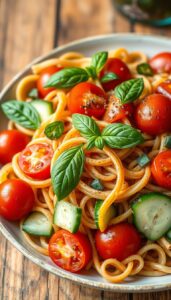
Toss whole-wheat spaghetti with steamed broccoli, red chili, and lemon for a bright, fast weeknight dish. The citrus finish brings vitamin C, which helps your body use more dietary iron.

Hummus, kale, and coriander noodles with ginger kick

Coat noodles in a creamy hummus-peanut dressing, add kale and coriander, and punch it up with grated ginger. Fold in a handful of spinach or arugula at the end for color and extra minerals.

  • Use about 1 cup sauce per batch to keep textures silky.
  • Garnish with toasted seeds or breadcrumbs and lemon zest for crunch.
  • Swap in chickpea or lentil pasta when you want more protein and fiber.

Bowls, Salads, and Satisfying Veggie Mains

Make bowls and salads the backbone of weeknight cooking to keep meals fast, flavorful, and nutrient-forward.

Build plates that balance texture and nutrition. Use a warm grain, a protein, seasonal vegetables, and a bold dressing to keep each dish filling and easy to scale.

Tofu and crunchy veggie salad, high in protein

Crispy tofu meets shredded cabbage, carrots, and a handful of greens for a hearty, high protein lunch. Toss in cooked lentils or toasted seeds to boost minerals.

Lentil shepherd’s pie with silky mash

This baked dish layers a savory lentil gravy under a creamy mash so it holds up well for leftovers. It’s a comforting, make-ahead meal that freezes cleanly.

Roast broccoli with lentils and preserved lemon

Roast florets until edges crisp, then fold in warm lentils and a squeeze of preserved lemon for brightness. The citrus finish helps your body use dietary iron.

Buddha bowl basics: grains, protein, veggies, and sauces

Start with quinoa or rice, add a protein like beans or tofu, then pile on colorful veggies and a punchy dressing.

  • Portion components into 1 cup containers for quick assembly.
  • Sprinkle toasted seeds or a seed crumb for texture and minerals.
  • Rotate veggies by season to keep costs down and flavors fresh.

Breakfasts That Front-Load Your Iron and Protein

A hearty vegan breakfast tray with a cast iron skillet, filled to the brim with sizzling tofu scramble, roasted sweet potato cubes, and vibrant greens. Warm lighting from an overhead soft box casts a golden glow, highlighting the textural details. The skillet sits atop a rustic wooden table, with a selection of nutrient-dense ingredients like chia seeds, hemp hearts, and dried apricots arranged elegantly around it. The scene exudes a cozy, homemade atmosphere, inviting the viewer to savor this iron-rich and protein-packed start to the day.

Mornings set the tone — choose breakfast that loads meaningful amounts of minerals and protein. These three morning ideas give a quick, dependable start. Each one balances whole grains, greens, and a fortified milk choice so you get more from every bite.

Blueberry spinach smoothie with soy milk and hemp hearts

Why it works: A single serving delivers about 4.5 mg iron and 15 g protein. Blend frozen blueberries, a handful of spinach, soy milk, and hemp hearts for a bright, portable start.

Chocolate, coconut, and raspberry quinoa porridge

Simmer quinoa with cocoa and coconut milk, fold in raspberries, and batch for the week. This porridge adds variety and texture while staying easy to reheat.

Apple pie oatmeal with tahini caramel swirl

Cook oats with diced apples, cinnamon, and a quick tahini caramel on top. It’s a 15-minute cup that feels indulgent but supports your mineral goals.

“Prep once, grab all week — small morning moves yield steady energy.”

  • Portion about 1 cup per serving for consistency.
  • Add a citrus or berry topper to boost absorption of iron.
  • Prep smoothie packs so breakfast takes just minutes.
  • Rotate grains like oats and quinoa to vary texture and flavor.

Smart Snacks, Spreads, and On-the-Go Bites

Smart snacking makes it easy to meet nutrient goals on a busy day. These small plates and spreads turn pantry staples into quick, satisfying options you can prep and grab.

Pumpkin seed butter on rye with chia and apple

What to do: Spread pumpkin seed butter on rye, top with thin apple slices and a sprinkle of chia. The combo is crunchy, portable, and energizing.

Warm hummus with pine nuts, raisins, and olives

Heat a chickpea dip briefly, drizzle with olive oil, and finish with toasted pine nuts, raisins, and chopped olives. It feels like a tiny meze and satisfies salty-sweet cravings.

Protein balls with coconut butter, dates, and cranberries

Pulse coconut butter, dates, oats, and cranberries, roll into balls, and chill. Freeze extras so you always have a portable, high-protein nibble on hand.

  • You’ll keep a 1 cup container of seed mix in the fridge for quick sprinkling over soups, salads, or toast.
  • Batch snacks once so assembly is effortless all week and you avoid midday decision fatigue.
  • Use chickpea-based dips as vehicles for raw veggies and whole-grain crackers to layer fiber and minerals in each snack.
  • Customize sweetness with cinnamon, ginger, or orange zest to vary flavor without extra steps.
  • Store spreads in glass jars and freeze extra protein balls to ensure you’re never without a nutrient-dense option.

“Small, planned snacks keep energy steady and make it easier to meet daily goals.”

Sauces and Toppers That Sneak In Iron

A fast, flavorful sauce can turn basic pasta or bowls into a mineral-forward meal. Use sauces and crunchy toppers to add texture and boost nutrients without extra cooking time.

Five-minute cashew Alfredo: Blitz soaked cashews with a splash of milk, a little lemon, garlic, and nutritional yeast for a no-cook cashew Alfredo that glides over pasta or steamed vegetables. Stir in a spoon of coconut milk for extra silkiness when you want cream without butter.

Tahini-forward dressings and seed crunch mixes

Whisk tahini with lemon, a touch of soy or miso, and warm water to make a versatile dressing. Toss roasted pumpkin or sunflower seeds with smoked paprika and bake until crisp.

Sprinkle this seed crunch over bowls and salads to add chew, flavor, and a subtle mineral lift.

Mint chutney for crispy tofu “paneer”

Pan-crisp cubes of tofu until edges brown. Spoon a bright mint chutney over the top to cut richness and add herb freshness. The pairing makes weekday dinners feel special and family-friendly.

  • You’ll blitz a five-minute cashew Alfredo that glides over pasta or steamed vegetables and quietly boosts minerals.
  • You’ll whisk tahini-forward dressings and bake a seed crunch mix to sprinkle over bowls for texture and flavor.
  • You’ll pan-crisp tofu “paneer” and spoon over a fresh mint chutney for a bright finish.
  • Thin sauces with a splash of milk or reserved pasta water so they complement—not overwhelm—your main.
  • Prep jars of sauce on Sunday to transform grains and greens into complete vegan recipes in seconds.

Finish each plate with citrus or fresh herbs at the table. That small step brightens flavor and helps your body use more dietary iron while keeping weeknight cooking simple and fast.

Maximize Iron Absorption with Simple Kitchen Moves

You can boost how much your body takes from plant foods with simple prep and timing. These easy habits help convert mineral sources into usable nutrients without extra shopping or fancy gear.

Pair with vitamin C at the plate

Add peppers, citrus, berries, or broccoli to the same meal. Vitamin C converts plant iron into a form your gut can absorb more easily.

Soak, sprout, ferment, and cook

Soak beans for 24 hours and cook in fresh water to cut phytates and boost mineral uptake. Choose sprouted grain breads and fermented foods when you can.

Cook greens like spinach—steaming or boiling lowers oxalates and concentrates usable iron.

Time beverages and calcium

Avoid coffee, tea, and high-dose calcium with iron-forward plates. Wait an hour after meals before drinking coffee or having a milk-based supplement.

  • Add a fresh vitamin C topper at serving—lemon, salsa, or a quick slaw.
  • Use a 1 cup produce add-on rule per plate to stack absorption advantages.
  • Monitor energy; if low despite changes, follow up with your clinician.
Move Why it helps Quick tip
Soak beans 24h Reduces phytates that block minerals Rinse and cook in fresh water
Sprout grains Improves nutrient availability Buy sprouted bread or sprout at home
Cook greens Lowers oxalates, concentrates iron Steam or blanch spinach briefly
Serve vitamin C Boosts iron absorption Add peppers, citrus, or berries

Build an Iron-Savvy Vegan Meal Plan

Use a repeatable plate structure to make sure nutrient-forward foods land on dinner plates every night.

The plate method keeps planning simple: half vegetables and fruit, one quarter whole grains, one quarter protein. This approach helps ensure an iron source appears on each plate without extra effort.

The plate method: protein, whole grains, and veggies

Stock your pantry with staples that combine easily. Keep beans, tomato paste, oats, quinoa, and spinach on hand so weeknight dinner builds itself.

US pantry staples and weekly mapping

  • Map meals: chili with kidney beans and butternut squash; lentils over quinoa; sautéed spinach or greens with tofu.
  • Prep 2 cup batches of cooked grains and legumes to cut cook time on busy nights.
  • Rotate proteins—tempeh, tofu, beans, and lentils—to keep meals varied for vegans and flexibly fit your diet.
  • Keep tomato paste and citrus near the stove to finish dishes for flavor and absorption synergy.
Staple Use Quick tip
Quinoa Bowls, breakfasts Cook 2 cup batch, cool
Lentils Salads, stews Keep canned or cooked
Spinach Sautés, smoothies Add at end to preserve nutrients
Kidney beans Chili, tacos Use with butternut squash for balance

“A simple plan beats perfect planning — small steps make a big difference for your diet.”

Conclusion

Small, repeatable meal choices help you meet nutrient needs without extra shopping or long cooks. Build plates that include at least one source of iron and add a vitamin C food at the table to boost absorption.

Keep pantry staples and batch-cook components so weekday meals stay fast and flavorful. Use simple swaps and the plate method to rotate iron sources and iron-rich foods across curries, bowls, pastas, breakfasts, and snacks.

Remember that people vary. If you suspect low levels, check with your healthcare provider. Use this plan and the earlier sections on sources iron and iron absorption to fine-tune your diet and try new vegan recipes that fit your life.

FAQ

What meals in this list help increase your iron intake?

You can pick dishes that combine legumes, tofu or tempeh, leafy greens, quinoa, and seeds. Curries like sweet potato & red lentil coconut milk curry, stews with kidney or butter beans, and bowls with lentils and roast broccoli all include high-protein ingredients and plant-based sources of iron that fit into a balanced meal plan.

How do you improve absorption of non-heme iron from plant foods?

Pair iron-containing foods with vitamin C sources such as bell peppers, citrus, berries, or broccoli to boost uptake. Also avoid drinking coffee or tea with meals, and separate calcium-rich drinks from iron-heavy plates. Simple kitchen moves like soaking, sprouting, fermenting, and cooking greens reduce phytates and increase mineral availability.

Which pantry staples should you keep on hand for fast, iron-forward dinners?

Stock canned or dried beans and chickpeas, red lentils, quinoa, oats, tomato paste, tahini, coconut milk, and a jar of pumpkin seeds or hemp hearts. These ingredients create quick curries, chilies, stir-fries, and protein bowls that come together in 20–45 minutes.

Can hummus, tahini, and seed butters meaningfully add iron to snacks?

Yes. Tahini, pumpkin seed butter, and hemp hearts provide usable minerals and healthy fats. Spread seed butter on whole-grain bread, add tahini to dressings, or top warm hummus with pine nuts and raisins for an easy, nutrient-dense snack or spread.

Are fortified products worth using to meet daily needs?

Fortified plant milks, cereals, and some tofu brands can help fill gaps, especially if you have higher needs. Check labels for iron content and for vitamin C or B12 fortification. Use them alongside whole-food sources like lentils, spinach, and beans for a reliable approach.

How often should you include legume-based dishes like quinoa & black bean chili or lentil shepherd’s pie?

Aim to include legumes several times per week. They offer a combination of protein and accessible minerals. Rotating dishes—chili, stews, salads, and mash-based mains—keeps meals varied and helps you reach weekly protein and mineral targets without monotony.

Can coconut milk recipes still support mineral absorption?

Yes. Coconut milk adds creaminess and calories for satiety but doesn’t block iron uptake. Focus on pairing coconut-based curries with vitamin C-rich sides or toppings (lime, cilantro, steamed broccoli) and include legumes or tofu in the dish to ensure a mineral boost.

What quick breakfasts deliver a solid iron and protein start?

Smoothies with soy milk, spinach, berries, and hemp hearts, or quinoa porridge with cocoa, coconut, and chopped nuts offer fast, portable options. Add a spoonful of tahini or pumpkin seeds to oatmeal for extra minerals and healthy fats.

Are there simple sauces and toppers that increase mineral content?

Yes. Tahini-forward dressings, seed crunch mixes, and mint chutney with herbs and lemon sneak in extra minerals and vitamin C. A five-minute cashew Alfredo adds calories and creaminess while tahini-based dressings boost mineral density on salads and bowls.

If you cook for someone with higher needs, like a pregnant person or an athlete, what should you change?

Increase portion sizes of legumes, tofu, tempeh, and seed-based toppings, and add fortified foods when needed. Plan more frequent iron-forward meals, spread intake across the day, and consult a clinician about supplements if bloodwork suggests deficiency or higher requirements.