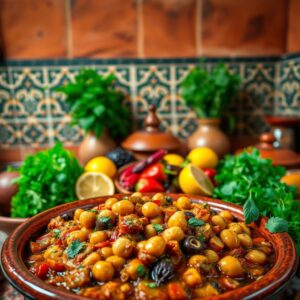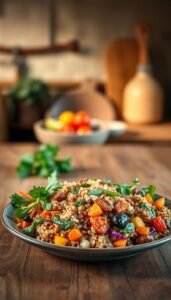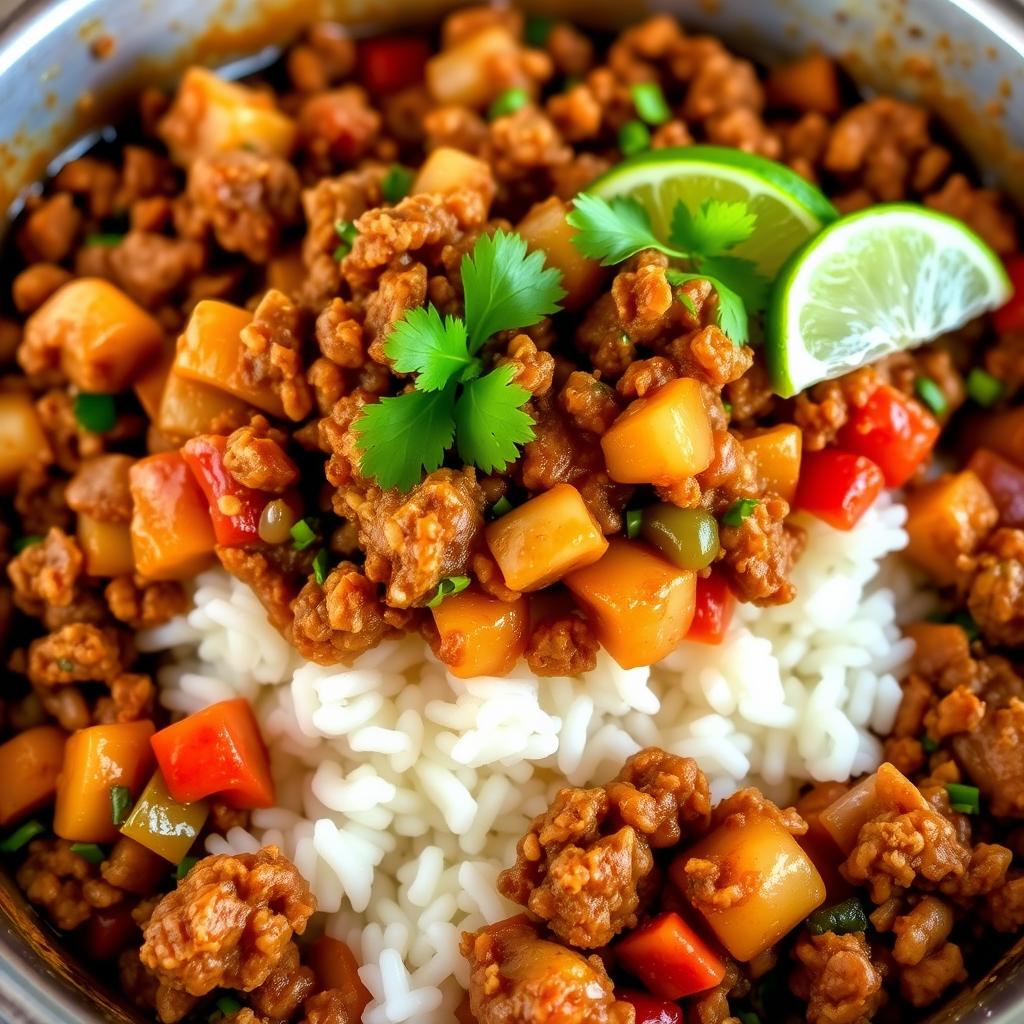
Vegan Cuban recipes can recreate the bold, tangy tastes you love without meat.
Have you ever wondered how a plant-based picadillo or ropa vieja can match the depth of the original and still feel homey on a weeknight?
You will find clear, approachable ideas for making a hearty meal that still honors sazón-style aromatics like cumin, oregano, olives, and raisins.
Expect practical tips on texture and simmering to concentrate flavor, plus swaps for protein—tempeh, soy curls, or beans—and tricks to store and reheat without drying out the dish.
Along the way, you’ll see notes from trusted creators like Delish D’Lites and Raydel Hernandez and learn how to serve these dishes with rice, avocado, and sweet plantains.
Key Takeaways
- Plant-based Cuban dishes deliver familiar flavors using herbs, vinegar, olives, and raisins.
- You can make these meals quickly or batch-cook for the week without losing taste.
- Simple swaps—tempeh, lentils, or soy curls—give you protein and texture.
- Simmering and seasoning balance sweet and savory for bold results.
- Store leftovers 3–5 days refrigerated or freeze up to 3 months; reheat gently with broth.
Start here: vegan cuban recipes that bring Havana’s flavors to your plant-based table
You’ll build great dishes from a smart pantry and a short, reliable prep. Stock key ingredients like onion, bell pepper, garlic, tomato products, olives, raisins, cumin, oregano, and olive oil. These items let you cook vegan cuban recipes any night.
Sauté aromatics on medium heat for a few minutes to build depth. Browning the onion and bell releases sugars that make the sauce sing. Add garlic near the end so it stays bright.
- Chop onion and bell, mince garlic, open tomato products, and measure spices before you heat the pan.
- Start with olive oil, sweat the aromatics, then stir in tomatoes, olives, and raisins to balance sweet and briny notes.
- Add acid (vinegar or lime) toward the finish to make flavors pop.
You can scale this for two servings or a week of meals by doubling ingredients and lengthening simmer minutes. If leftovers need life, add a splash of broth and a quick simmer to refresh heat and texture.
For beginner-friendly guidance, check The Full Helping for practical plant-based tips: https://www.thefullhelping.com/
| Pantry Item | Role | Tip |
|---|---|---|
| Onion | Sweet base | Sauté until translucent, then brown slightly |
| Bell pepper | Color and aroma | Use a mix of colors for brightness |
| Olives & Raisins | Briny and sweet contrast | Add near the end to keep texture |
| Cumin & Oregano | Signature seasonings | Measure ahead to layer flavor |
Essential Cuban pantry and techniques for vegan cuban recipes
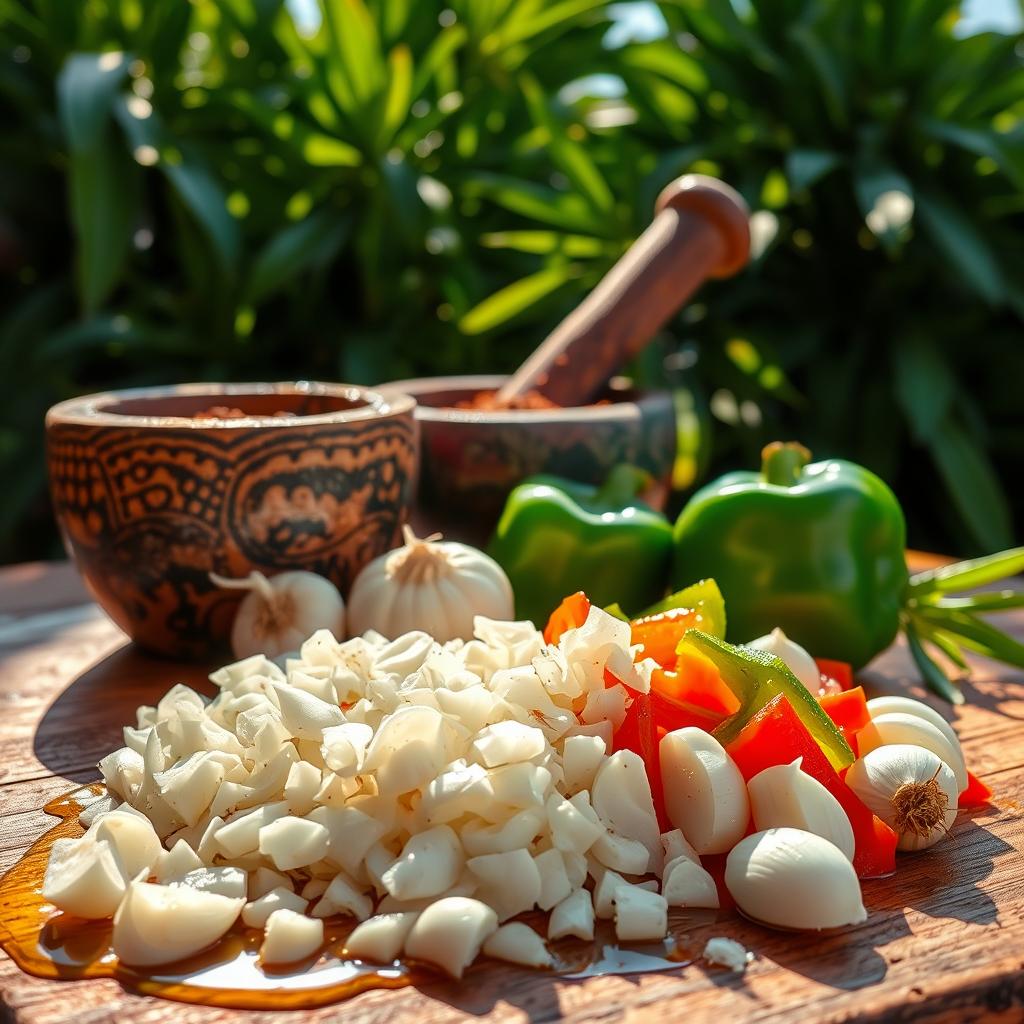
Start with a soulful sofrito: onion, bell pepper, and garlic form the base for every good pot. Sauté these aromatics in olive oil over medium heat until soft and slightly golden.
Core ingredients
Keep canned tomato sauce or stewed tomato on hand.
Use chopped onion, diced bell pepper, and minced garlic cloves to build texture. Add the tomato product once the vegetables are glossy.
Signature seasonings
Season with cumin, oregano, and a bay leaf. Freshly cracked pepper lifts the mix, and a splash of red wine vinegar brightens the sauce.
“A small splash of vinegar makes all the difference in balancing richness.”
Heat and finishing
After a steady sauté, reduce to a gentle simmer so the sauce can concentrate without burning. If the mixture becomes too thick, thin with vegetable broth.
Finish with olives and raisins to add briny-sweet contrast. A pinch of ground cinnamon or allspice can soften sharp edges from acid and pepper.
| Item | Purpose | Quick Tip |
|---|---|---|
| Onion | Sweet base | Minced for even texture |
| Bell pepper | Aroma & color | Use mixed colors for brightness |
| Tomato sauce | Body for the sauce | Add after spices to simmer gently |
| Cumin & Oregano | Signature flavor | Toast briefly in oil to bloom |
- Start with aromatics in oil, then toast dry spices.
- Add tomato products and simmer covered until tender.
- Finish with a splash of vinegar and olives or raisins.
Vegan picadillo: a plant-forward version with depth and balance
Build a hearty picadillo using roasted sweet potato, stewed tomato, and classic seasonings for a fast weeknight meal.
Ingredients at a glance
Sweet potatoes, stewed or crushed tomato, onion, green bell pepper, garlic, cumin, oregano, a splash of vinegar, bay leaf, plus olives and raisins.
Step-by-step
- Sauté onion and bell pepper in oil until soft, then add garlic and stir briefly.
- Stir to combine sweet potato, tomato paste, and stewed tomatoes with spices. Add a bay leaf, cover, and simmer 15–20 minutes until tender.
- Finish by folding in olives and raisins and simmering 5 more minutes. Season with salt and pepper to taste.
Protein boosters & prep tips
For extra protein, fold in roasted chickpeas, crumbled tempeh, or cooked lentils. Swap ground beef or other meat with these options to keep the texture satisfying.
- Roast sweet potatoes at 400°F for 20–25 minutes to speed dinner prep.
- Batch-cook and refrigerate 4–5 days or freeze up to 3 months; reheat with a splash of broth to revive the sauce.
- For a tempeh-forward take, see Delish D’Lites: Delish D’Lites tempeh picadillo.
Vegan Ropa Vieja: shredded-style texture with soy curls or seitan
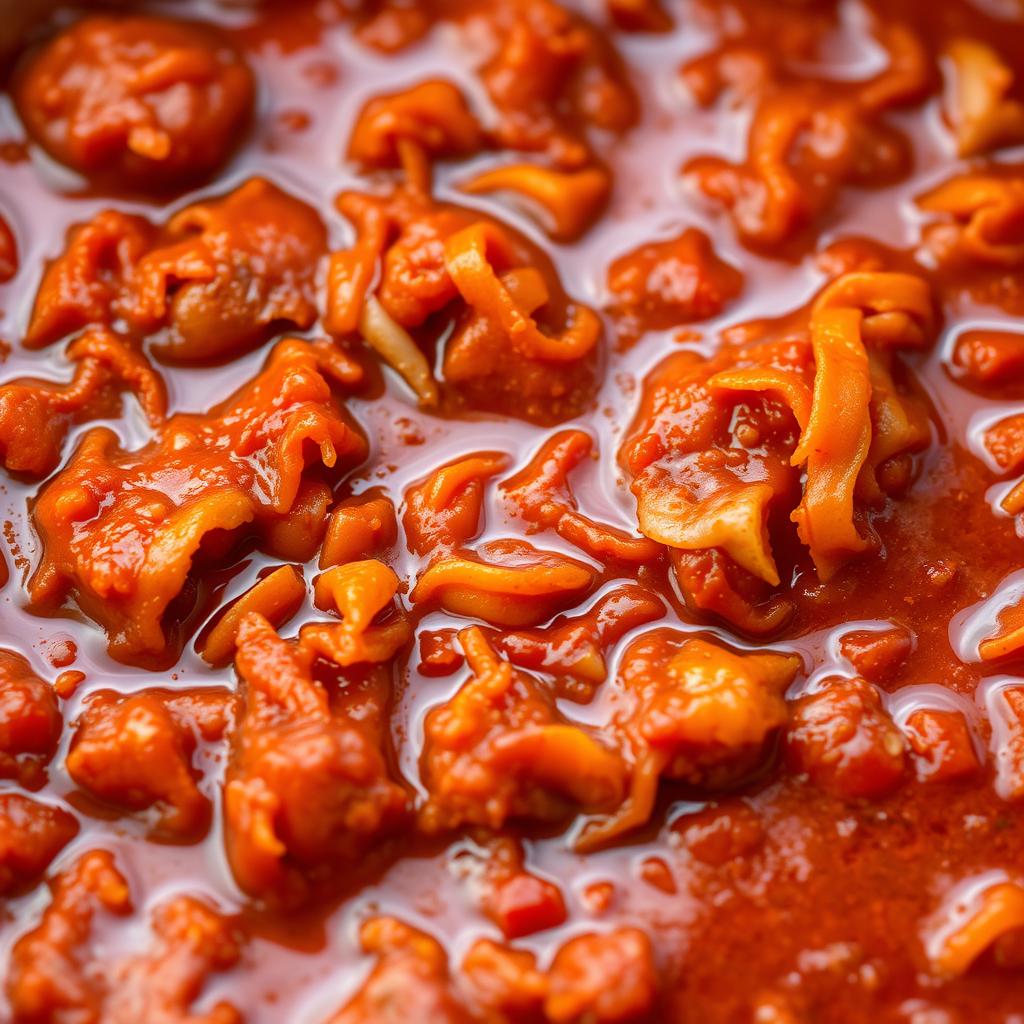
To recreate the classic shredded texture, start with hydrated soy curls or thinly pulled seitan and build a smoky, tangy sauce.
Flavor builders: char a green bell pepper for smokiness, then sauté onion and a bay leaf in olive oil until translucent. Add a garlic-and-oregano paste to wake the aromatics.
Method: brown your protein in a little oil, then add vegetable broth, tomato sauce, optional white wine, a splash of red wine vinegar, and a bit of water.
- Bring the pot to a rolling boil for 5 minutes to concentrate flavor.
- Lower the heat, add seitan or hydrated soy curls, and simmer about 30 minutes until the sauce thickens and clings to strands.
You’ll finish by folding in roasted red peppers or olives for color and briny contrast. Serve the dish with white rice and sweet plantains for a complete plate.
“A touch of vinegar brightens the sauce without making it sharp.”
For a detailed, DoFollow walk-through of this approach, see Raydel Hernandez’s vegan Ropa Vieja: https://janeunchained.com/2021/08/18/vegan-ropa-vieja-raydel-hernandez/
Serving ideas and meal prep tips for weeknight success
Turn batch-cooked picadillo into several good meals with smart portioning and gentle reheating. You’ll build a balanced plate fast by pairing a warm cup of rice with caramelized plantains, sliced avocado, and simple greens.
Complete the meal
You’ll use rice as the neutral base that soaks up sauce. Add sweet plantains for contrast and avocado for cool richness.
Include a handful of greens and finish with cilantro, a squeeze of lime, and a pinch of pepper. These small touches refresh each serving.
Prep, storage, and reheat
Plan one prep day: roast sweet potatoes in the oven at 400°F for 20–25 minutes and chop onion, pepper, and garlic so dinner is fast.
- Portion picadillo into cups or containers for grab-and-go lunches.
- Store the base 3–5 days in the fridge and freeze extras up to three months.
- Reheat on the stovetop with a splash of broth until steam rises and the sauce looks glossy.
Tip: Keep plantains separate and pan-warm them at serving time so they stay tender and caramelized.
Nutrition notes and smart substitutions to match your taste
If you want the texture of ground meat without the meat, choose a protein that crumbles or shreds well.
From “beef” to beans: replace ground beef with crumbled tempeh, cooked lentils, or hydrated soy curls to keep protein high and saturated fat low.
Practical swaps and seasoning tips
Choose lentils for a tender, ground-like base in picadillo. They add fiber and protein while taking on the sauce.
Use crumbled tempeh when you want a firmer, browned bite. Pan-browning tempeh first gives more texture before you add tomato and spices.
- Mix legumes with a little crumbled tempeh for both body and chew.
- Pick soy curls or seitan to recreate long shreds for ropa vieja-style dishes.
- Season with cumin, oregano, onion, and garlic, then add olives and raisins for classic contrast.
Taste before you salt. Rely on acids, aromatics, and reduced sauce to deliver depth so you add salt only as needed.
“Good texture and a well-reduced sauce sell the swap more than mimicking meat exactly.”
Keep substitutions flexible so your picadillo adapts to pantry items while staying true to Cuban flavor. Swap week to week to keep meals interesting.
Trusted resources to explore more vegan cuban recipes and techniques
When you need reliable guidance, turn to experienced authors who explain timing, pot management, and small finishing moves.
The Full Helping offers seasonal, plant-based guidance to broaden your repertoire. Use its articles to vary produce, tweak prep, and keep ideas fresh.
Practical how-tos and quick weeknight recipes
Delish D’Lites’ tempeh picadillo gives a reliable recipe that cooks in about 25 minutes. It layers cumin, olives, and raisins so you get bold flavor with minimal time.
Technique and traditional perspective
Raydel Hernandez, a Cuban American author, walks you through shredded-style method and how to manage a pot so sauce thickens correctly.
- You’ll learn how to sequence prep: bloom spices, add liquids, finish with briny garnishes.
- You’ll compare methods that use roasted peppers and measured simmer minutes to fit your schedule.
- You’ll find author perspectives that honor classic beef memory while using plant-based proteins.
| Source | Focus | Strength | Good for |
|---|---|---|---|
| The Full Helping | Plant-based guides | Seasonal ideas, nutrition | Menu planning and prep |
| Delish D’Lites | Tempeh picadillo recipe | Quick, weeknight time savings | Fast picadillo with olives & raisins |
| Raydel Hernandez | Ropa vieja technique | Authentic approach, pot control | Shredded texture and sauce finish |
“Small details—like a splash of vinegar or adding olives at the end—lift the whole dish.”
Conclusion
A few smart pantry moves and steady minutes at the stove give you big, authentic taste. Try these vegan cuban recipes to bring familiar aromas to your home kitchen.
You can start with picadillo or ropa vieja, follow the sequence, and trust a few minutes of simmering to deepen flavors. Watch the heat so aromatics stay bright, and add salt at the end to taste.
For a complete serving, pair the main dish with rice, sweet plantains, avocado, and a handful of greens. These small touches make each meal feel balanced and satisfying.
Try one recipe this week, share what worked, and tweak proteins and spices until the plate feels like yours.