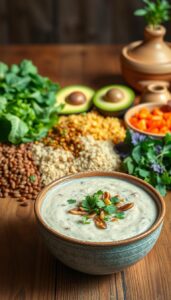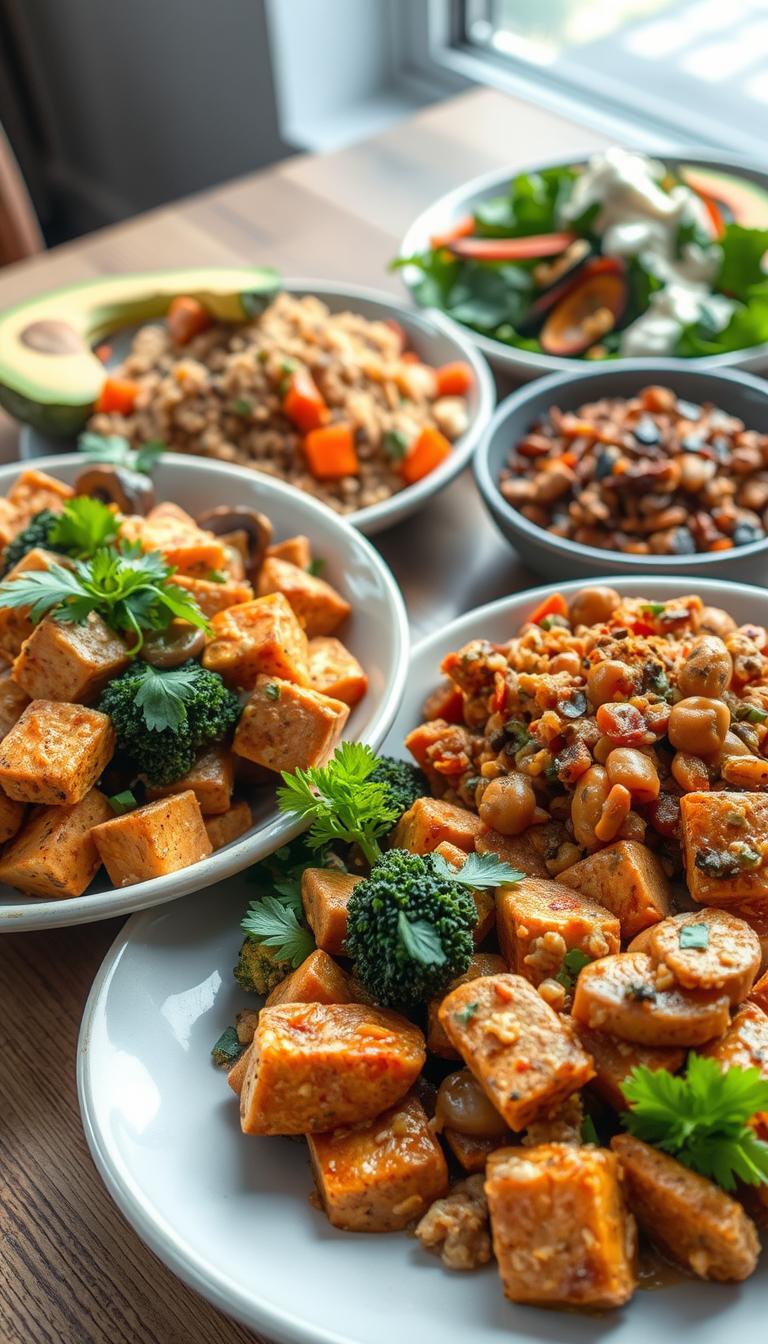
Can a plant-forward plate truly meet the demands of your training plan? If you lift, run, or stay active all week, you need meals that fuel recovery and power progress.
This guide shows you how to use staples like lentils (18 grams per cup), tofu (36 grams per block), tempeh (31 grams per cup), quinoa (8 grams per cup), and edamame (17 grams per cup) to build balanced meals that match your goals. You’ll learn simple swaps that boost grams of protein while keeping food tasty and quick.
Tools like Cronometer and USDA data help you track macros and confirm you’re hitting targets. True deficiency is rare when you mix legumes, grains, nuts, and seeds from varied sources.
Expect fast breakfast ideas, packable lunches, hearty dinners, and snack options that scale to your schedule. By the end, you’ll feel confident reading labels and assembling meals that support training, recovery, and daily energy.
Key Takeaways
- You can meet training needs with whole-food staples that deliver reliable grams per serving.
- Mixing legumes, grains, nuts, and seeds improves amino acid balance and nutrition.
- Cronometer plus USDA data makes tracking macros and grams straightforward.
- Quick swaps—adding tofu, tempeh, or edamame—raise protein without extra prep time.
- Meals are scalable, budget-friendly, and designed for active schedules.
What you’ll get from this list of high‑protein vegan meals today
Use these curated meal ideas to estimate grams protein per dish and tune portions for your goals.
Quick confirmation: enter ingredients and portions into Cronometer to get protein per serving and per meal. That step confirms totals fast and removes guesswork.
You’ll find short prep time options that come together in minutes and tips for batch meal prep. The list shows serving swaps—add tofu, tempeh, beans, or edamame—to boost grams without extra cooking time.
- Clear benchmarks for breakfast, lunch, dinner, and snacks so you hit daily targets.
- Make-ahead components (grains, roasted tofu, dressings) to cut active minutes.
- Storage and reheating notes to keep texture and flavor across the week.
| Meal | Typical grams protein per serving | Prep time (minutes) | Meal prep tip |
|---|---|---|---|
| Breakfast | 18–26 g | 10–15 | Cook oats and portion into jars |
| Lunch | 20–30 g | 10–20 | Batch-cook grains and roast tofu |
| Dinner / Snack | 15–35 g | 5–30 | Mix dressings and store separately |
Vegan protein recipes for every meal of the day
Start each day with simple high‑impact meals that shave minutes off prep while delivering measurable grams toward your goals.
Breakfast ideas include quick tofu scrambles (18 grams per serving, 10–15 minutes), chia puddings with soy milk, and banana‑cream oats that reach ~26g when you add soy milk and peanut butter.
Lunch options center on bowls and salads built from chickpeas, lentils, and quinoa. Try an apple lentil salad, sweet potato quinoa salad, or a chickpea avocado sandwich for fast, portable meals.
Dinner favorites use tofu, tempeh, seitan, or plant‑based “beef.” Examples: easy vegan chili (~19g per serving), teriyaki tofu stir fry, black bean quinoa casserole, and seitan steak for higher grams per serving.
Snacks and sweet bites keep you covered between meals. Pack chocolate peanut butter balls, roasted red pepper hummus, or black bean brownies (about 5g per slice) for quick calories and grams you can count.
- Lean on sauces like teriyaki or tahini to pull bowls together without losing focus on grams.
- Double grains and beans at once to cut weekday time and assemble bowls in minutes.
- Rotate textures—stir‑fries, patties, and steaks—to keep meals interesting all week.
High-protein vegan breakfasts to fuel your morning

Mornings need fuel that’s fast, filling, and hits your grams goals without fuss. These four breakfasts are built to be simple, repeatable, and easy to scale when training ramps up.
Tofu scramble with Kala Namak
18 grams protein per serving • prep time 10–15 minutes. Crumble firm tofu in a hot skillet, season with Kala Namak salt and a few tablespoons of nutritional yeast for an eggy umami bite.
Use pre-pressed tofu and pre-cut veg to cut active minutes. Add extra tofu to raise grams when you need more fuel.
Bananas & cream oatmeal with soy milk
Protein per serving ~26g. Cook oats in soy milk, mash banana, and stir in a spoon of peanut butter for cream and lift. A half cup extra soy milk increases grams without changing texture much.
Berry chia pudding
Whisk chia seeds with a cup of soy milk, blended berries, and dates; chill overnight. This meal is high in fiber and keeps macros steady for busy mornings.
Greek‑style chickpea frittata
Make a savory bake with chickpea flour, crumbled tofu “feta,” and mixed veggies. Slice into grab‑and‑go squares that deliver sustained energy and reliable grams per serving.
Quick tips: measure tablespoons of spices ahead, press tofu in batches, and track your grams protein per breakfast with Cronometer after the first attempt.
Protein-packed vegan lunches for work or school
A smart midday plate pairs grains and legumes so you hit steady grams without extra kitchen time.
Apple lentil salad is a hearty main with fall flavors. It combines cooked lentil, diced apple, chopped kale, and a light mustard dressing for a filling lunch that keeps you full between meetings.
Sweet potato quinoa salad is ideal for meal prep. Roast sweet potato cubes, mix with cooked quinoa, scallions, and a butter‑lemon vinaigrette. Batch this on Sunday for steady protein per serving all week.
Chickpea avocado sandwich is ready in minutes. Mash chickpeas with avocado, lemon, and salt. Serve on whole grain bread and add sliced tofu or extra chickpeas when you need more grams.
Hummus wraps offer about 9g per wrap but are easy to boost. Add a cup of beans or edamame and crunchy veg to keep assembly time under 10–20 minutes while raising totals.
- Stack a Peanut Crunch Salad‑in‑a‑Jar: peanuts, quinoa, edamame, cabbage, and carrots for portable lunches that resist wilting.
- Use pre‑cooked grains and canned lentil options to cut total time and streamline meal prep.
- Log the first batch in Cronometer to confirm grams and then repeat the same ratios for reliable nutrition.
Hearty vegan dinners with serious protein per serving
Dinner should deliver big flavor and measurable grams so your evening meal actually helps recovery.
Easy vegan chili and vegetarian white chili lean on beans and lentils for fiber and filling grams. The white chili, made with two cans of white beans, averages about 19 grams protein per serving. These stews reheat well and pair with rice or a baked potato.
Tofu tacos, black bean tacos, and tofu fajitas are weeknight winners. They assemble fast and scale for family dinners. Swap extra tofu or an added cup of black bean for higher grams per plate.
Teriyaki tofu stir fry and chickpea teriyaki bowls are sauce-forward and finish in 20–30 minutes. Toss steamed greens into the bowl to boost volume without lowering grams per serving.
Black bean quinoa casserole and spicy quinoa burgers give oven-baked comfort. Both freeze well and keep grams protein consistent across busy weeks.
Chickpea meatballs, Impossible meatballs (≈19g per 4‑oz serving), and a vegan meatloaf are reliable for gatherings. For max grams, pan-sear seitan steak or glaze jacked-up vegan ribs—ribs can reach ~35 grams per serving for heavy training days.
| Dish | Typical grams per serving | Prep / Cook time (minutes) | Best use |
|---|---|---|---|
| Easy Vegan Chili | 18–25 g | 30–45 | Meal prep, reheats well |
| Vegetarian White Chili | ~19 g | 25–35 | Quick weeknight |
| Teriyaki Tofu Stir Fry | 20–30 g | 20–30 | Fast, sauce-driven |
| Black Bean Quinoa Casserole | 18–28 g | 35–45 | Freezer-friendly |
| Seitan Steak / Jacked-Up Ribs | 30–35+ g | 15–30 | High-grams training meals |
- Simmer chili with beans and lentils to boost protein-dense portions.
- Rotate tacos and fajitas for fast assembly and bold flavor in minutes.
- Pre-cook grains and press tofu ahead to cut time during the week.
- Log servings in Cronometer to confirm grams protein and tweak ratios.
Smart vegan snacks and desserts with protein
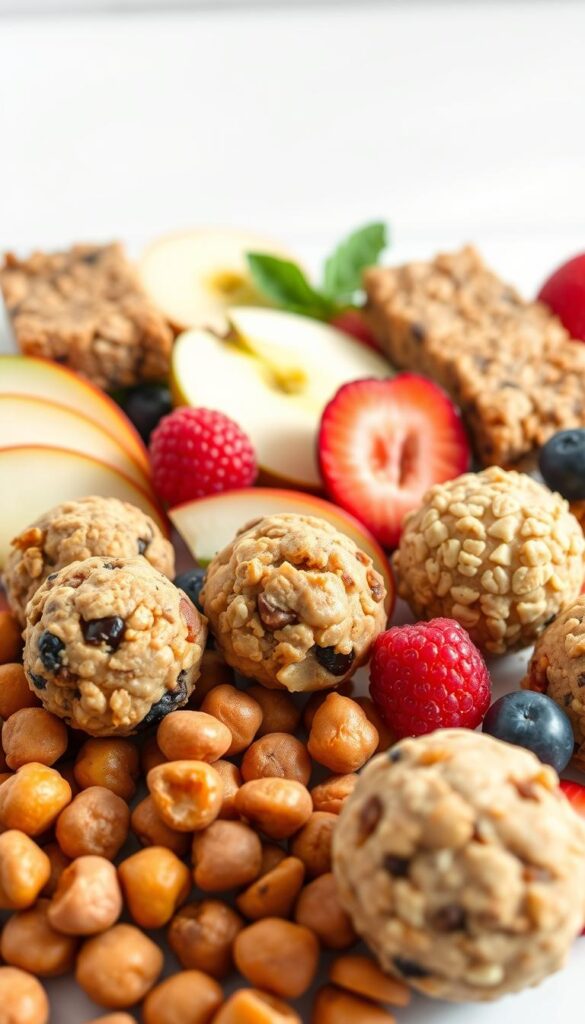
Small, nutrient-dense bites make it easy to bridge long gaps and still hit your grams goals.
Chocolate peanut butter protein balls: Blitz dates, oats, peanuts, and a spoon of peanut butter until sticky. Roll into balls and chill for grab-and-go energy that balances carbs and fat with steady protein.
Roasted red pepper hummus & bean dip: Keep a jar in the fridge. A 1/4 cup serving typically provides several grams protein per snack and pairs well with carrots or crackers.
Black bean brownies and cheesecake dessert hummus: Bake black bean brownies to get about 5g per slice. Whip chickpeas into a cheesecake-style hummus for a creamy, shareable dessert that still contributes grams to your day.
- Portion by tablespoons or small containers so calories stay in check while you land meaningful grams.
- Vary flavor with cinnamon, vanilla, or citrus zest to keep familiar bites exciting.
- Boost dips with extra chickpeas or hemp hearts when you want higher grams without changing texture.
Build your own bowls: mix-and-match plant-based protein sources
Pick a base that fits your calorie plan, and then layer concentrated sources of plant-based protein to hit your target grams.
Grain base ideas
Choose: quinoa, farro, wild rice, or cauliflower rice for a lighter meal. Quinoa and wild rice add structure and some grams per cup.
Protein toppers
Layer tofu, tempeh, edamame, chickpeas, black beans, lentils, or seitan depending on how dense you want the bowl. Seitan yields the most grams per 100 kcal; tofu and tempeh follow closely.
Flavor boosters
Mix a quick peanut sauce or tahini garlic dressing, brighter red pepper sauce, and finish with nutritional yeast. Taste and adjust salt at the end to avoid over-seasoning.
“Standardize your ratios—1 cup grain, 6–8 oz tofu, 1/2 cup beans—so you hit grams without recalculating.”
| Base | Role | Typical grams added |
|---|---|---|
| Quinoa | Structure + some protein | 8 g per cup |
| Wild rice | Chewy texture | 6–7 g per cup |
| Cauliflower rice | Low-calorie base | 1–2 g per cup |
- Plan textures: chewy grain, creamy beans, crisp veg for varied flavors in each bite.
- Keep sauces ready in the fridge so assembly is minutes during meal prep.
- Pre-log portions in an app to auto-hit your target grams every time.
How to read protein labels and calculate grams protein per 100 calories
When you translate nutrition facts into grams per 100 kcal, choices get obvious and actionable.
Use Cronometer to get protein per serving and per meal, fast
Open Cronometer and enter the item as a cup, ounce, or gram. The app shows protein per serving and totals for the meal instantly.
This saves you manual math and helps you see where to add a small boost—like a tablespoon of nutritional yeast—without guessing.
Know your efficient food sources
Compare items by grams protein per 100 calories so density—not portion size—drives your choice. Use denser sources when you need high protein with fewer calories.
| Food | Approx. grams per 100 kcal | Typical use |
|---|---|---|
| Seitan | 16.7 g | High-grams main |
| Tofu | 12.0 g | Salads, stir-fries |
| Tempeh | 10.2 g | Bowls, sandwiches |
| Edamame | 8.2 g | Snacks, sides |
Conclusion
Wrap up your week with a simple system that turns a few staples into consistent, high-gram meals.
You can hit daily targets using breakfasts like the Tofu Scramble (18 g per serving) or Bananas & Cream Oatmeal (~26 g), and dinners such as Vegetarian White Chili (~19 g) or Seitan Steak (~35 g).
Start each meal with a protein anchor—tofu, lentils, or quinoa—then layer veggies, grains, and a simple sauce. Batch-cook once, assemble in minutes, and use a pinch of salt or a squeeze of citrus to lift flavor without fuss.
Keep peanut butter, beans, and grains on hand, snack on peanut butter balls or hummus between meals, and log a few entries in Cronometer to lock in your grams per serving. You’re set to mix, match, and scale dishes that support training and everyday life.