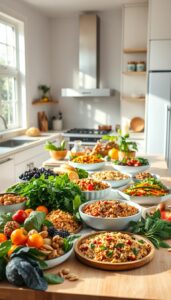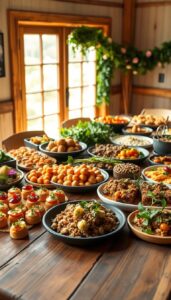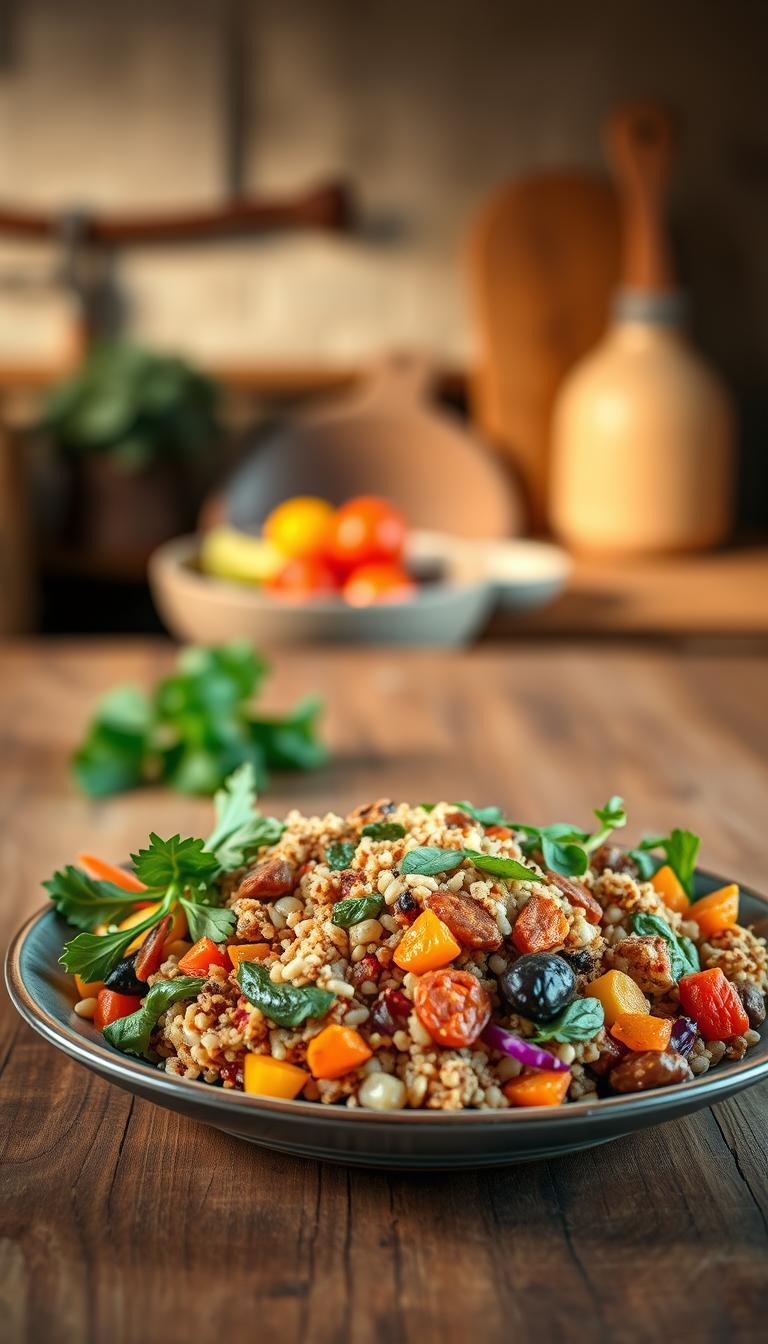
Want to add energy and build muscle without losing flavor? If you train hard, have fast metabolism, or aim to gain weight, you need practical meals that stack calories and protein with real food.
This guide shows a clear way to use tofu, soy curls, avocado, coconut, and nut butter so your meals work for strength and endurance. You’ll find tested dishes that deliver serious calories per serving — from tofu “cheese” mac to a buttery soy curl linguine — plus a smoothie that can top 2,000 calories when you need it.
We focus on simple swaps and easy add-ons like oils, tahini, and full-fat milks so you can raise intake by 250–500 calories without extra prep. Expect mains, sides, and grab-and-go options that fit your lifestyle and diet goals.
Key Takeaways
- Practical strategies: use calorie-dense ingredients to boost energy and protein.
- Lean on tofu, avocado, and coconut for nutrient-rich calories.
- Some mains deliver 400–800 calories per serving for easy portion planning.
- A spotlight smoothie can add massive calories with simple add-ins.
- Small moves like drizzling oil or adding nut butter raise totals fast.
Why You Might Want Vegan High Calorie Recipes Right Now
Want more daily fuel for training or weight gain? Focus on nutrient-packed foods that raise calories with little extra volume. This helps when you need to gain, build muscle, or keep up with an intense lifestyle.
Your goal: gain weight, build muscle, or fuel an active lifestyle
Small, steady increases—about 250–500 extra calories per day—usually start weight gain without overwhelming your appetite. Smoothies or a nut-butter sandwich between meals are easy wins you can repeat.
Informational snapshot: healthy fats, protein, and calorie density explained
Fats pack more than twice the energy per gram than carbs or protein, so adding avocado, olive oil, tahini, or coconut-based ingredients moves the needle fast. That’s why healthy fats are efficient for gains.
- Protein: beans, tofu, quinoa, nuts, and soy milk add grams of protein across the day to support muscle repair.
- Calorie-dense foods to note: peanut butter (~100 cal/Tbsp), avocado (~322 cal each), rice (206–216 cal/cup), quinoa (222 cal/cup), and coconut milk (≈600 cal/can).
These strategies fit your diet without relying on ultra-processed options. They give a clear, practical path to add calories and protein while staying sustainable.
Vegan high calorie recipes you can cook this week
Try these weeknight dishes that pack energy and protein without adding fuss to your schedule. Below are seven practical options you can rotate through a busy week. Each entry lists calorie estimates and simple pairing notes so you can hit your targets fast.
Baked mac and cheese with tofu “cheese” sauce
What it delivers: About 568 calories per serving and solid protein from tofu. Swap cashews for silken tofu to boost protein while keeping creamy texture.
Stuffed shells with tofu ricotta and garlicky spinach
Roughly 659 calories per serving. Serve with vegan garlic bread to add more energy and bring out rich flavor from sautéed garlic and olive oil.
Linguine with soy curl “clams” in buttery lemon sauce
This pasta dish runs approximately 701 calories per serving. Use soy curls for concentrated protein, and finish with vegan butter or oil for extra richness and mouthfeel.
Avocado pesto barley “risotto” with lemon
About 435 calories per serving. Add lemon pepper tofu cutlets or crispy chicken cutlets (+379 calories) as a smart side to raise totals without extra time.
Chicken parm (tofu cutlets) and hearty meatloaf
Marinated, breaded tofu parm reaches roughly 784 calories over pasta or in a roll. A meatloaf (four slices) is about 650 calories and pairs well with mashed potatoes and vegan gravy.
| Dish | Calories per serving | Notes |
|---|---|---|
| Baked mac & tofu sauce | 568 | Protein-forward; comfort-food appeal |
| Stuffed shells + garlic spinach | 659 | Pairs with garlic bread for extra energy |
| Linguine with soy curls | 701 | Use olive oil or vegan butter for richness |
| Avocado pesto barley | 435 | Add crispy cutlets (+379) as a side |
| Chicken parm (tofu) | 784 | Serve over pasta or in a roll |
Quick tips: Sauté aromatics like garlic and onion in oil or vegan butter to build flavor and add calories. Plan portions using the per serving estimates and layer sides when you need extra energy or protein.
High-calorie vegan smoothie spotlight
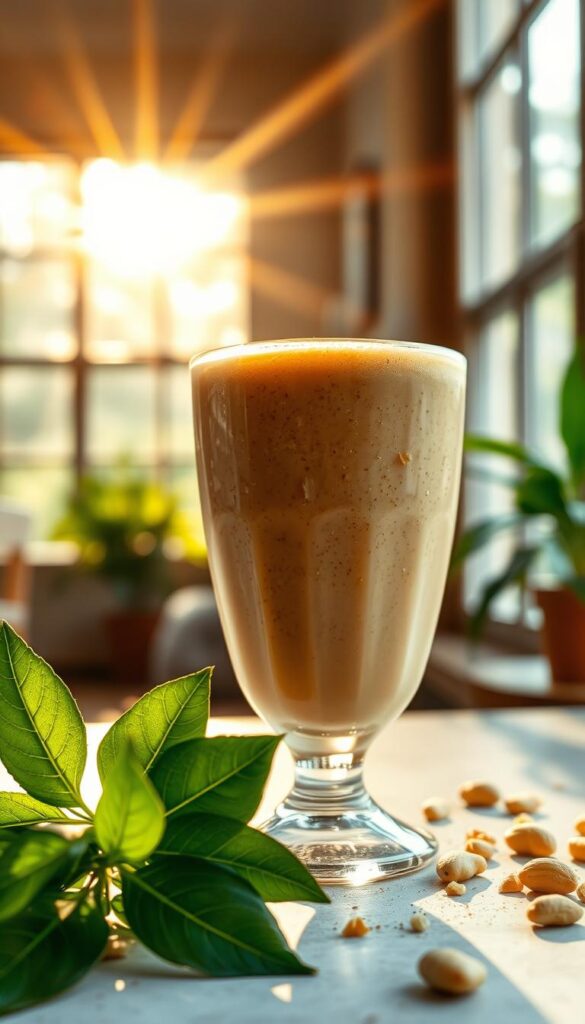
When solid meals feel heavy, a dense smoothie can deliver a day’s worth of extra energy in one glass.
This 32-ounce batch reliably hits 2,265–3,000+ calories using full-fat coconut milk, bananas, avocado, and a big scoop of peanut butter. Start with 1 can full-fat coconut (~600 calories), add 3–4 bananas, 1 avocado, 1/2–1 cup peanut butter, 1/2 cup oats, cocoa powder, 6–10 dates, and a splash of maple or molasses.
Smart add-ins that raise totals fast
- Coconut milk anchors the base; swap in oat or soy milk to tweak totals.
- Dry oats and dates add density and fiber without making the drink too thick.
- Add a scoop of protein powder to lift grams protein and keep recovery on track.
“Soak dry dates before blending for a smoother texture and add powders last on low speed.”
Tip: Drink between meals, after training, or at night to help those calories stick while you recover. This flexible recipe lets you dial calories up or down to match your day.
Pantry power-ups: calorie-dense staples to keep on hand
Keep a few dense staples in your pantry and you can bump meals with minimal effort. These foods make it easy to add more energy and protein without rewriting your recipes.
Nuts, nut butters, and tahini
Nuts like walnuts and almonds offer about 185 calories per ounce. A tablespoon of nut butters adds ~100 calories, and tahini gives creamy, savory calories at ~89 calories per tablespoon.
Avocado, dried fruit, and sweet potatoes
An avocado is roughly 322 calories and brings healthy fats and fiber. Dried fruit (raisins ~247 calories/half cup) gives concentrated sweetness. Sweet potatoes add ~180 calories per cooked cup and are versatile.
Rice, quinoa, legumes, and tofu
Rice runs about 206–216 calories per cup cooked. Quinoa adds 222 calories and is a complete protein. Keep canned beans and tofu on hand for quick protein and calories.
Oils, vegan butter, and milk options
Olive oil and coconut oil are easy finishes—each tablespoon adds ~116–119 calories. Full-fat coconut milk can be ~600 calories per can. Choose oat or soy milk to boost calories and grams of protein in smoothies and oats.
“Stock the staples you enjoy and rotate them weekly so every meal has an easy calorie and protein boost.”
Simple add-more-calories moves for every meal
Finish every dish with a plan: add one or two small boosters at serving time to raise energy and flavor. These moves are fast and predictable so you can hit targets without extra cooking.
Drizzle oils and melt butter on grains and veggies
One tablespoon of olive oil adds about 119 calories. A tablespoon of butter increases a cup of rice by ~100 calories.
Use measured spoonfuls so each serving adds the same amount of energy and mouthfeel.
Stir coconut milk into soups and stews
Partial cans of full-fat coconut milk transform brothy soups into creamy stews. A can can add roughly 600 calories, so blend small amounts to tune each bowl.
Top bowls with avocado, seeds, and a spoon of tahini
An avocado is about 322 calories and seeds or tahini add concentrated healthy fats. Combine toppings when you need a bigger bump in the same serving.
- Drizzle oil or add vegan butter for 100–120 calories per tablespoon.
- Portion fats by tablespoons and track the grams you add.
- Aim for at least one booster per plate and add a second when your target calls for more calories.
“These finishing moves let the same core meal serve different goals with no extra prep.”
Grab-and-go vegan options to hit your calorie goal
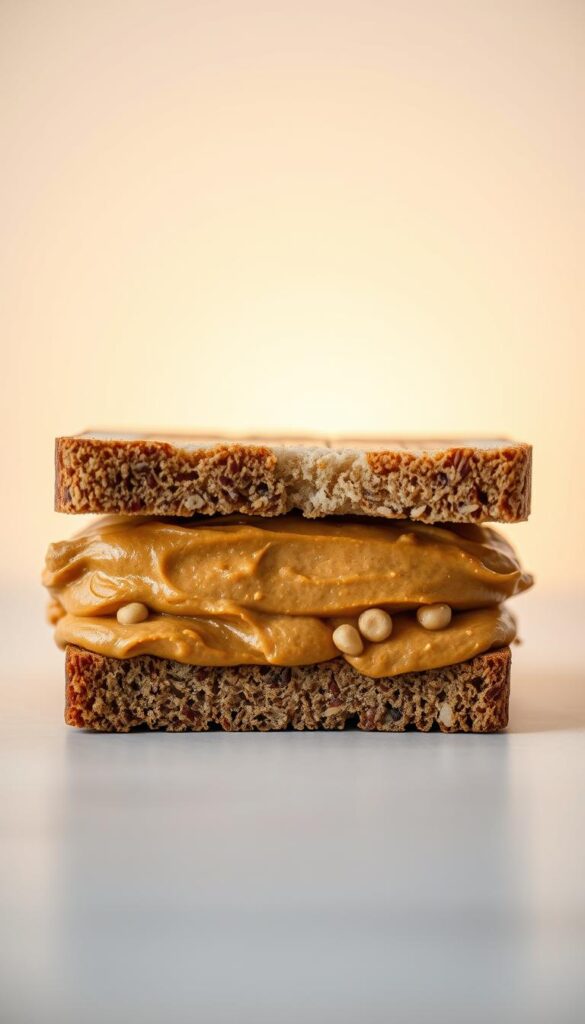
Portable, packed snacks let you meet targets when your schedule won’t allow a full sit-down lunch. These choices are easy to prep and carry, so you don’t skip meals or miss gains.
Peanut butter sandwich on whole-grain bread with banana or jam
A classic peanut butter sandwich on whole-grain bread delivers roughly 260 calories and about 15 grams of protein. Add a glass of oat milk and that mini meal reaches ~400 calories—an efficient way to boost intake.
Hummus with pita, trail mix with pumpkin seeds and soybeans
Half a cup of hummus is ~200 calories; pairing it with pita chips pushes you past 300 calories for a satisfying snack or lunch. A dense trail mix with peanuts, pumpkin seeds, soybeans, and dried fruit can hit ~700 calories and ~40 g protein per cup.
Protein bars and plant-based shakes between meals
Keep bars (~300 calories, ~20 g protein) in your bag. Build quick shakes with soy or oat milk and a scoop of powder to bridge gaps and support weight gain in a practical way.
“Set a default mini-lunch: PB sandwich + milk to secure 350–400 calories without a kitchen.”
- Rotate nuts and seeds for variety.
- Match bars before training and heartier mixes after.
- Restock once a week to stay consistent.
Build a high-calorie vegan day: sample list-style meal plan
Design a practical day of eating that lands near 3,000 calories while giving you steady protein for recovery. Below is a compact, usable lineup you can follow or adapt by swapping portions.
Breakfast: bodybuilder oatmeal made with soy milk + fruit
About 750 calories, ~50 grams protein. Cook oats in soy milk, add protein powder, banana, nut butter, and a drizzle of syrup. This meal starts your day with dense energy and solid protein.
Snack: green bulking smoothie
About 500 calories, ~40 grams protein. Blend greens, pea or soy protein, oats, avocado, and a splash of milk for a portable boost between meals.
Lunch: rice and beans bowl with avocado and tortillas
Pick a rice bowl or a PB sandwich + 1.5 cups soy milk (~450–600 calories, ~28–32 g protein) when time is tight. Both approaches give reliable carbs and protein for the afternoon.
Snack: energy balls or trail mix
Two energy balls total ~500 calories and ~20 grams protein, or choose a cup of trail mix (~700 calories, ~40 grams protein). Adjust based on how many calories you still need.
Dinner: red lentil stew finished with olive oil and lime
About 650 calories, ~40 grams protein. Serve with tortillas or rice and finish with a tablespoon of olive oil to raise calories while brightening the dish.
Use this plan as a template. Spread your meals across five eating moments to protect appetite and digestion. Tweak portions or add one more snack if you need an extra ~250 calories during the day.
Vegan high calorie recipes for weight gain: tips to scale portions
Begin by tacking on 250–500 calories per day, then reassess every 1–2 weeks and increase slowly if progress stalls.
Add 250–500 calories per day, then increase gradually
Start small. Track your weight and energy. If gains stop, raise the amount by another 250 calories every few weeks.
Use richer liquids, keep meals moist, and time smoothies
Swap water for soy or oat milk in oats, soups, and smoothies to boost calories without bulk.
Keep plates moist—sauces, oils, and spreads make food easier to eat and digest so you take in more per serving.
Drink smoothies 1–2 hours before or after breakfast or training to add intake without spoiling appetite at main meals.
- Add one tablespoon olive oil or vegan butter per bowl for ~100–120 calories.
- Pick one way to add energy at a time (larger portion, snack, or richer fat) to see what works.
- Set eating times so your body expects food and you can reliably gain weight over weeks.
“Small, consistent increases beat big, unsustainable jumps when you aim to gain weight.”
| Strategy | Estimated calories | When to use |
|---|---|---|
| Soy/oat milk swap | +50–200 per serving | Oats, smoothies, soups |
| Olive oil / vegan butter | +100–120 per Tbsp | Finishing bowls, grains |
| Timed smoothie | +300–800 per shake | 1–2 hrs before/after training |
Conclusion
Finish with a shortlist you trust. Pick the go-to dishes that reliably add weight—mac and cheese (568), stuffed shells (659), linguine with soy curls (701), avocado barley risotto (435), tofu parm (784), and meatloaf (650). Use cutlets (+379) as a quick side when you need more.
Stock pantry essentials: peanut butter, olive oil, coconut milk, rice, quinoa, legumes, tofu, dried fruit, and seeds. These ingredients make it simple to boost any meal with extra fats and protein.
On busy days, lean on the big smoothie or a protein-fortified shake to close gaps. Season boldly with garlic, pepper, herbs, and citrus so every dish stays flavorful and easy to eat.
Track weekly, adjust slowly, and repeat a few favorite recipes so gains stay steady and sustainable.