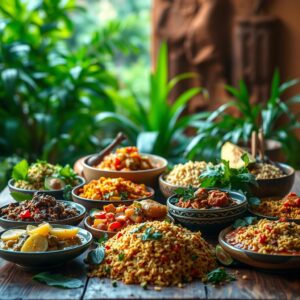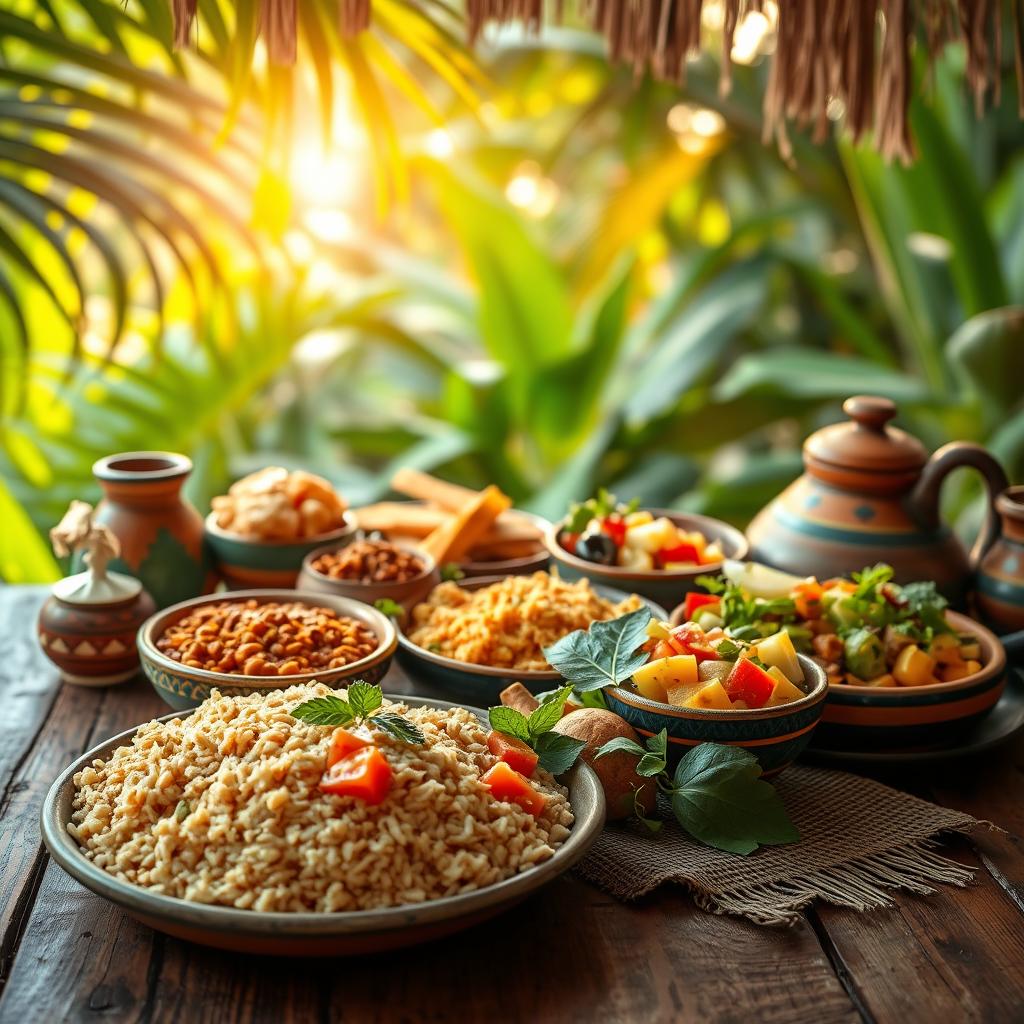
Vegan Brazilian Recipes invite you to rethink comfort food with bold regional tastes made entirely from plants.
Have you ever wondered how feijoada or moqueca can keep their soul when you swap the proteins and still feel like the real thing?
You’ll learn how to turn a classic dish into a weeknight meal using familiar ingredients like coconut, beans, and rice. The steps are simple and the flavors stay true to tradition.
This guide shows which pantry staples to keep on hand, how to build layers of taste, and when to batch-cook so you save time without losing quality.
For context on Brazil’s food culture and traditional techniques, see Brazilian cuisine overview.
Key Takeaways
- You can make classic dishes into satisfying plant-based meals with small swaps.
- Keep coconut, beans, and rice ready to recreate the cuisine at home.
- Simple seasoning tricks preserve the spirit of each dish.
- Batch-cooking stretches one session into several reliable meals.
- Trusted resources help you learn authentic sides and methods.
Start here: vegan brazilian recipes you can cook today
Pick three weeknight dishes that bring lively Brazilian flavors to your table without a long fuss.
Why these plant-based dishes work for your weeknight meal plan
You’ll finish each in under 50 minutes, so they fit real life. One is a bowl you assemble in minutes; another is a cozy stew you simmer when you have more time; the third is a coconut-based pot that still feels special.
Keep pantry staples—canned beans, rice, olive oil, and a few spices—and you can swap seasonal vegetables without losing the core flavor. Set up the rice while you prep to use carryover heat for fluffier grains.
- Use canned beans to shave minutes and keep protein rich.
- Use coconut for quick creaminess that cooks fast.
- Batch-cook a base on weekends to cut evening time.
For reliable rice technique and consistent results, review this practical guide: How to Cook Rice.
| Option | Finish time | Main pantry components |
|---|---|---|
| Quick bowl | Minutes | Rice, canned beans, fresh vegetables |
| Stew | Under 50 minutes | Beans, stock, aromatics |
| Coconut pot | About 40 minutes | Coconut, rice, seasonal vegetables |
vegan brazilian recipes
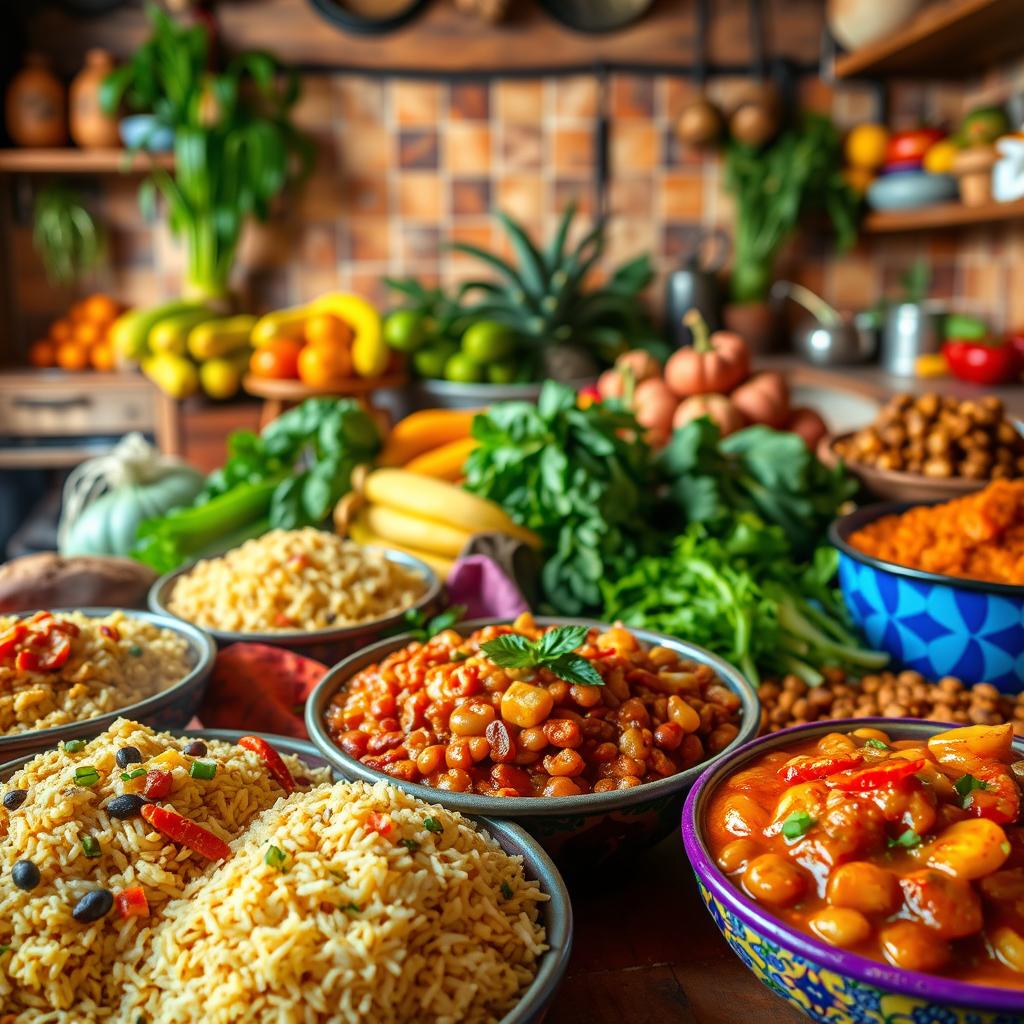
Start by building a compact pantry that lets you turn simple staples into bold, tropical meals. This approach keeps weeknight cooking fast and flavorful for you.
Core flavors: coconut milk, black beans, cassava flour, peppers, lime, and cilantro
Core flavors give each dish its identity. Keep coconut milk for velvety sauces and to balance acidity. Rely on black beans for earthy depth and body.
Peppers add sweetness and light fruitiness. Finish plates with a squeeze of lime and fresh cilantro for bright lift.
Pantry setup: rice, olive oil, onion, garlic, paprika, cumin, and vegetable stock
Stock your pantry with rice, a bottle of olive oil, onion, garlic, and a jar of paprika so dinner comes together fast.
- Measure water and use reliable cups to hit consistent textures.
- Keep vegetable stock handy to build savory backbone without animal products.
- Use cassava flour or toasted farofa for crunch and contrast.
Pro tip: For guidance on cooking dried beans, see this detailed bean-cooking guide: How to Cook Beans.
Comfort classic: Vegan Feijoada (black bean stew)
Turn pantry staples into a rich black-bean stew that feels like a slow-cooked hug. This streamlined feijoada keeps the deep, smoky notes you want while staying simple enough for weeknights.
Ingredients and substitutions
Core: canned black beans, onion, garlic, smoked paprika, bay leaf, olive oil, and vegetable stock.
Add sweet cubed sweet potato for body, or swap for regular potato if you prefer.
Step‑by‑step
Heat olive oil in a wide pan and soften onion and carrot for 3–4 minutes. Add garlic for 1 minute, then bloom oregano, ground cumin, and smoked paprika for about 1 minute.
Pour in stock and just enough water to cover. Add sweet potato, red wine vinegar, bay leaf, and canned black beans. Bring to a boil, lower the heat, cover, and simmer 15–20 minutes.
Mash some beans in the pot to thicken the stew naturally. Finish by tasting and seasoning with salt and a pinch of salt pepper balance.
“This dish proves you can honor tradition with thoughtful swaps and still get that comforting depth.”
Serving ideas
Serve with fluffy white rice, orange slices on the side, and a sprinkle of farofa for crunch. Bread also works to soak up the sauce.
Make‑ahead, storage, and reheating
Cool quickly, refrigerate up to 3 days, or freeze up to 3 months. Reheat gently over low heat with a splash of water to loosen the stew.
For leftover safety and handling, consult USDA guidance: USDA FSIS leftovers and food safety.
| Stage | Action | Time |
|---|---|---|
| Sauté | Onion & carrot, then garlic and spices | 3–4 minutes; 1 minute; 1 minute |
| Simmer | With stock, water, sweet potato, and beans | 15–20 minutes |
| Finish | Mash beans, season, plate with rice and orange | Minutes to adjust taste |
Tropical favorite: Vegan Tofu Moqueca (coconut-lime-pepper stew)
This tofu moqueca balances rich coconut and bright lime with crisp peppers and tender greens. You build a silky sauce, choose how to treat squash, and finish with seared tofu so textures pop.
Build the sauce
Sweat onion in coconut oil over gentle heat until soft. Add garlic, fresh ginger, and red chili to bloom aromatics. Stir in chopped tomatoes and simmer about 10 minutes until very soft.
Whisk in full‑fat coconut milk, a splash of vegetable stock, and lime juice. Keep the pot at a steady simmer for a few minutes so the sauce stays silky without splitting.
Vegetables and protein
Add sliced red bell peppers, green beans, and spinach and simmer roughly 10 minutes until tender‑crisp. Pan‑fry diced tofu in a little oil until golden on all sides, then fold it into the sauce with chopped coriander.
Roasting vs. simmering squash
Roast butternut squash at 400°F for about 30 minutes for caramelized edges. Or drop cubes into the sauce to simmer for fewer dishes and less hands‑on time.
Serve and finish
Ladle the stew over fluffy rice and serve with fried plantain and a squeeze of lime. Adjust salt, lime, and chili at the end so the gentle coconut backbone and bright acidity sing together.
- Sweat onion, add garlic/ginger/chili (minutes: start).
- Cook tomatoes ~10 minutes, then add coconut milk and stock.
- Roast squash (30 minutes) or simmer in sauce; simmer vegetables ~10 minutes; sear tofu and fold in.
Rice primer: for tips on texture, see how to cook rice.
Quick meal idea: Vegan Brazilian Bowl with coconut rice and spiced black beans
Make a single bowl that balances creamy starch, spiced legumes, and juicy fruit for a quick, satisfying dinner. This approach gets a full plate on the table in under 30 minutes.
Creamy coconut rice base and cumin-coriander beans
Combine coconut milk, 1 cup rice, a pinch of salt, and 1½ cups water in a pot. Cook over medium heat until the liquid drops below the rice, stir, cover, and reduce the heat to low for 10 minutes.
Stir in shredded coconut, keep covered, and let the rice rest off the stove for a few minutes. Warm canned black beans gently with ground cumin and coriander over low heat so they stay tender and fragrant.
Toppings that pop: mango, avocado, cashews, cilantro, and lime
Build bowls with the coconut rice, spiced beans, diced mango, sliced avocado, thin red onion, and toasted cashews. Finish with chopped cilantro and a squeeze of lime for bright contrast.
- Timing: Cook rice and prep toppings simultaneously to assemble in about 30 minutes.
- Protein: Add crispy tofu or a scoop of quinoa if you want more staying power.
- Storage: Store components separately up to 4 days in the refrigerator; freeze rice and beans up to 2 months.
| Component | Cook method | Storage |
|---|---|---|
| Coconut rice | 1 cup rice, coconut milk, 1½ cups water; low heat 10 minutes; rest | Refrigerate 4 days; freeze 2 months |
| Spiced black beans | Warm with cumin & coriander over low heat | Refrigerate 4 days; freeze 2 months |
| Toppings | Fresh mango, avocado, red onion, cashews, cilantro | Prep day-of for best texture |
Tip: For extra rice technique details or bean prep, see this practical guide: How to Cook Rice.
Essential sides and add-ons for vegan brazilian recipes
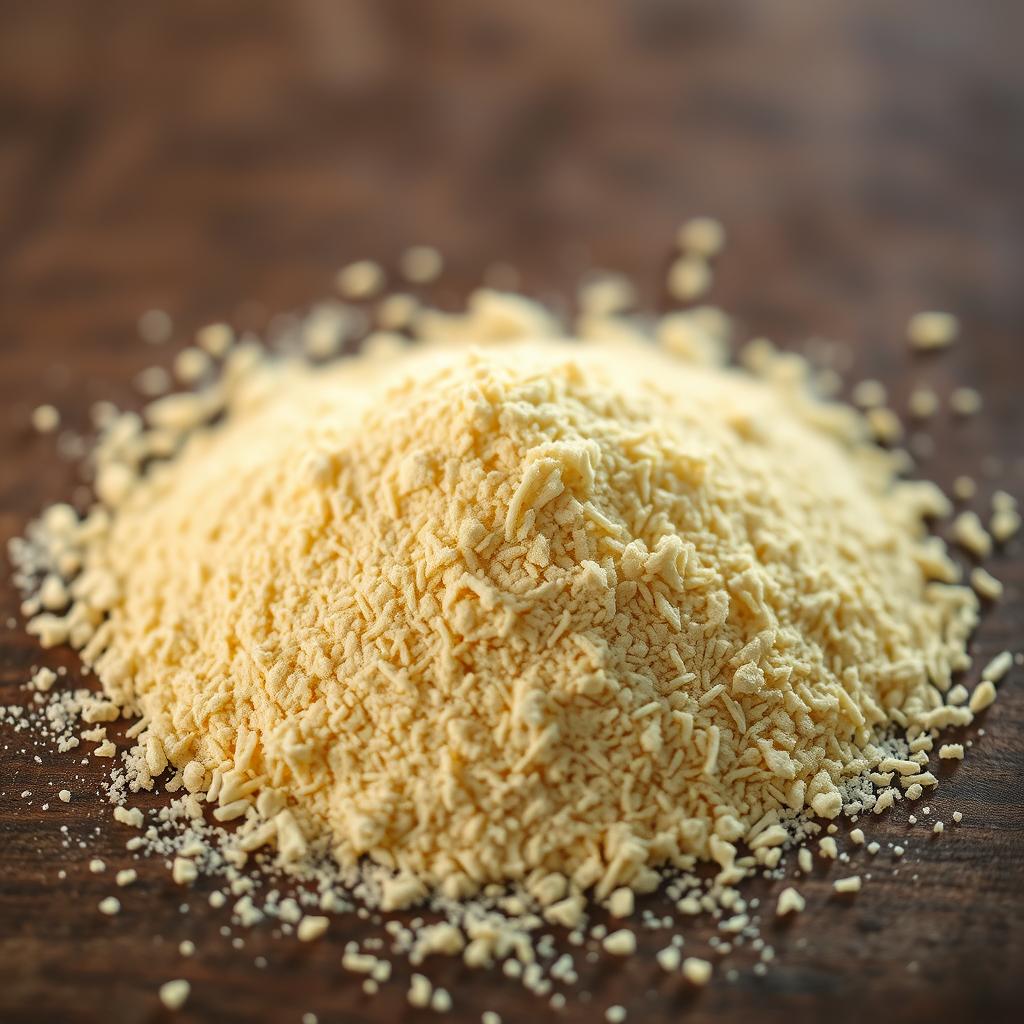
Good sides are the quiet heroes; they balance sauces, add crunch, and finish a plate. Use simple techniques so sides come together while the main cooks.
Farofa 101: cassava flour toasted in olive oil for crunch
Farofa is a toasted cassava flour mix that brings texture to feijoada and bowls. To keep it vegan, toast cassava flour in a bit of olive oil until it smells nutty and turns golden.
Tip: You can fry onion first for sweetness, then add the flour and stir constantly. Season with a pinch of salt to taste.
Learn more about farofa and its history at Wikipedia. For cassava flour basics, see this guide: Serious Eats.
Perfect rice: water-to-rice ratio, heat control, and resting time
Measure water precisely and use a steady, moderate heat while the pot simmers. When the water is absorbed, turn off the heat and let the rice rest covered for a few minutes.
Fluff gently with a fork so grains stay separate. Season sides lightly with salt so they support the main flavors without overwhelming them.
- Toast cassava flour in olive oil over moderate heat; stir until sandy and golden.
- Fry onion before adding flour for extra flavor and a softer texture.
- Control heat so the flour browns evenly without burning; this takes little time once it starts to color.
- Measure water and control simmer time for consistent rice; rest covered before fluffing.
| Side | Key step | Best match |
|---|---|---|
| Farofa | Toast cassava flour in olive oil; season with salt | Feijoada, stews, rice bowls |
| Rice | Measure water; simmer on low; rest covered | Coconut rice, moqueca, bowls |
| Caramelized onion | Fry onion first; fold into flour or rice | Adds sweetness and savory depth |
Pro tips: timing, heat, and flavor boosts
Mastering when to sweat, sear, and simmer will lift every one of your plant-based dishes. Small adjustments in heat and time let you coax deep flavor from simple ingredients.
Smoky depth without meat: smoked paprika and sauté technique
Bloom smoked paprika in olive oil right after you fry onion and before any liquid. That step unlocks aroma, color, and smoky depth without extra fat.
Start over medium so the onion softens and sweetens. Add garlic briefly, then the paprika and spices for 30–60 seconds so they toast but don’t burn.
Meal prep and leftovers: batch-cook beans, freeze rice, add fresh toppings
Batch-cook beans in large pots and portion into labeled cups before freezing. Freeze cooked rice flat in bags so it thaws fast; reheat with a splash of water and cover to restore softness.
- Keep a small dish for measured tbsp of spices so you can bloom them on cue.
- Give vegetables room in the pan so they sauté instead of steam; this concentrates flavor.
- Rotate protein—tofu, beans, and grains—so meals feel varied even when time is tight.
Safe storage: refrigerate leftovers promptly and reheat to steaming hot. For full guidance, see USDA FSIS Leftovers and Food Safety.
“A steady pan and a watchful clock are your best tools for bold, repeatable results.”
| Tip | When (minutes) | Why it works |
|---|---|---|
| Sweat onion | 3–5 | Sweetens and builds base flavor |
| Bloom spices | 0.5–1 | Releases oils, boosts aroma |
| Simmer gently | 10–20 | Keeps textures tender and sauces silky |
Conclusion
You now have the tools to turn pantry staples into weeknight meals that still taste special. Use simple steps—sweat onion, bloom paprika in oil, and simmer black beans or a coconut milk stew—to build reliable flavor fast.
Pick a bowl, a hearty stew, or a bright tofu pot based on your time and ingredients. Keep peppers, garlic, olive oil, and spice jars handy so meals come together without fuss.
Want more technique? For rice methods, see Serious Eats: how to cook rice. For beans, check this bean guide. For farofa context, see Wikipedia.
Try another recipe this week and you’ll grow confident with each pot and bowl. Keep experimenting and enjoy the results from these vegan brazilian recipes—you’re ready to cook.