Can one simple approach help your whole family eat well without extra work?
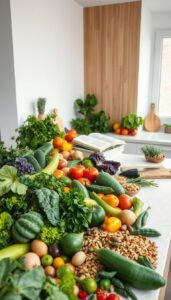
As a parent and chef, you can make plant-based meals that feed your child and the family at once. Model balanced eating, start solids with whole foods, and use texture swaps so no one needs a separate plate.
Practical strategies—like mixing iron-rich legumes with grains, adding avocados or nut butters, and sprinkling chia or flax—boost nutrition without complicated cooking. Let your child help with small tasks like mashing or pouring; that builds interest and confidence at the table.
These ideas focus on quick meals, sensible ingredient swaps, and plating tips that fit busy days. You’ll find options that save time, reduce stress, and keep energy steady through the day.
Key Takeaways
- Serve family meals with texture tweaks so you don’t cook twice.
- Build plates with legumes, grains, healthy fats, and ALA sources.
- Use make-ahead and fast-assembly ideas for busy weeknights.
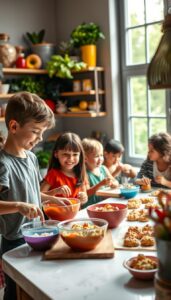
- Engage kids with simple prep tasks to boost appetite and skills.
- Practice positive feeding: model, offer variety, and re-present foods.
Build a balanced plant-based plate for your child today
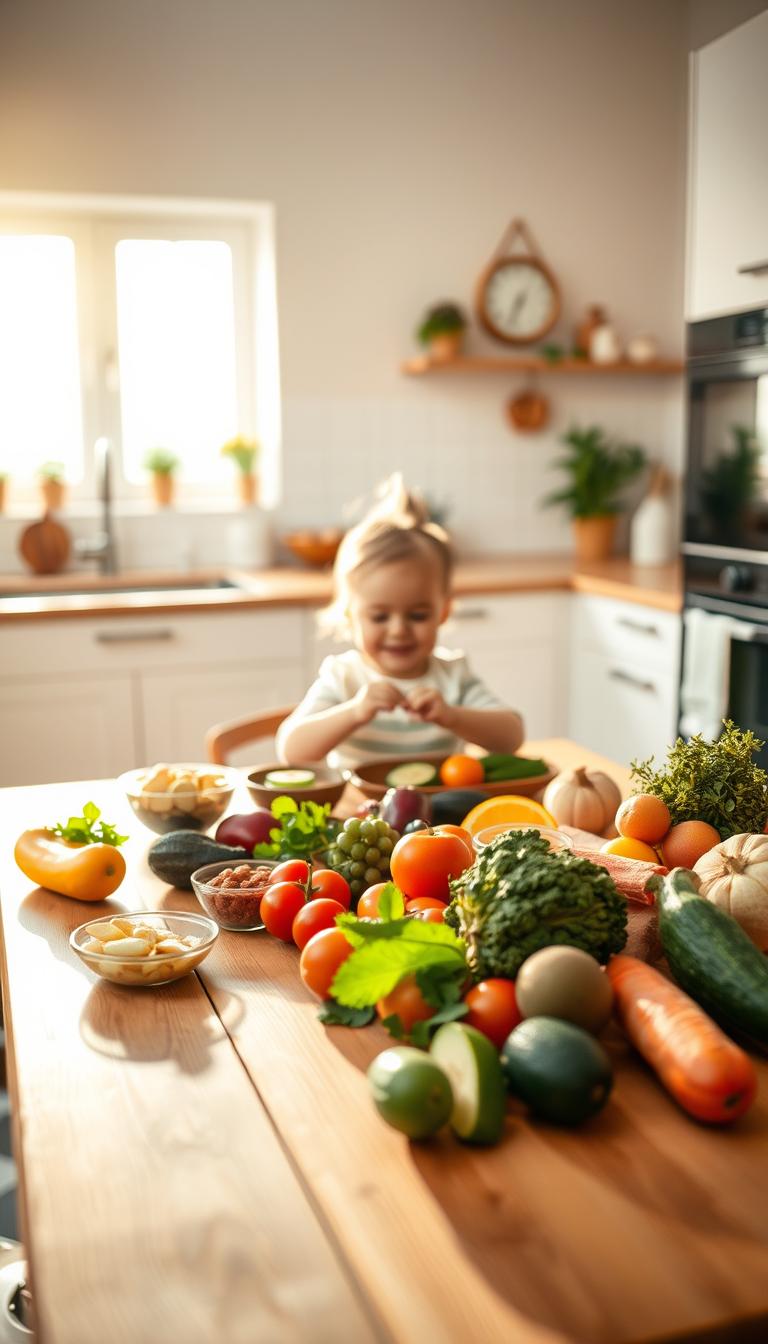
Start each meal with a simple plan: an iron source, a healthy fat, and a colorful vegetable. This clear structure makes shopping and cooking easier, and it helps your child get key nutrients every day.
Key nutrients to prioritize: iron, healthy fats, and omega-3s. Iron supports hemoglobin and oxygen transport. Strong plant sources include beans, lentils, tofu, farro, and quinoa. Pair these with vitamin C foods during the day to boost absorption.
Positive feeding habits to try
Model meals: Eat the same plate you offer so kids see that family foods are normal at home.
“Children are more likely to try new foods when adults calmly include them at the table.”
- Include one fat source each meal: avocado, almond or seed butter, tahini, or a drizzle of oil.
- Rotate omega-3 ALA options: ground flax, chia, walnuts, and soy across the week.
- Serve textures that match chewing skills—minced, mashed, or roasted—to expand acceptance without pressure.
| Nutrient | Good plant sources | Simple serving idea |
|---|---|---|
| Iron | Beans, lentils, tofu, quinoa | Bean mash with bell pepper slices |
| Healthy fat | Avocado, almond butter, olive oil | Avocado toast or yogurt drizzle |
| Omega-3 (ALA) | Flaxseed, chia, walnuts, soy | Oatmeal with ground flax and walnuts |
Breakfast ideas to kickstart the day with energy and iron

Mornings become calmer when you rely on a short list of iron-forward, handheld, and make-ahead options. These breakfasts balance grains, healthy fat, and fruit so a single plate helps your kid stay full and focused.
Pumpkin oat waffles with berries and almond or peanut butter
Batch-cook pumpkin oat waffles on weekends and freeze. Top with fresh berries and a thin swipe of almond or peanut butter for lasting energy. A little grated dark chocolate can be an occasional treat.
Teff or freekeh‑quinoa porridge topped with fruit
Simmer teff or a freekeh‑quinoa blend into a creamy porridge. Finish with strawberries or orange slices to boost vitamin C and help iron absorption.
Tofu scramble with spinach and mushrooms, plus avocado
Scramble crumbled tofu with mushrooms and frozen spinach for savory flavor and iron boost. Add mashed avocado on the side for healthy fat and smooth texture your toddler can enjoy.
Chia seed pudding with whole‑grain toast and hemp seeds
Prep chia pudding the night before and serve with whole‑grain toast. Sprinkle hemp seeds for omega‑3s and set out fruit toppings so kids can add their own.
- Make‑ahead tips: freeze waffles, bake muffins, and soak chia overnight.
- Rotate textures—porridge, pancakes, and muffins—to suit chewing skills.
- Keep pantry ingredients simple for easy morning prep.
“A consistent breakfast routine gives children energy and supports healthy eating habits.”
Easy vegan lunches and smart snacks your toddler will actually eat
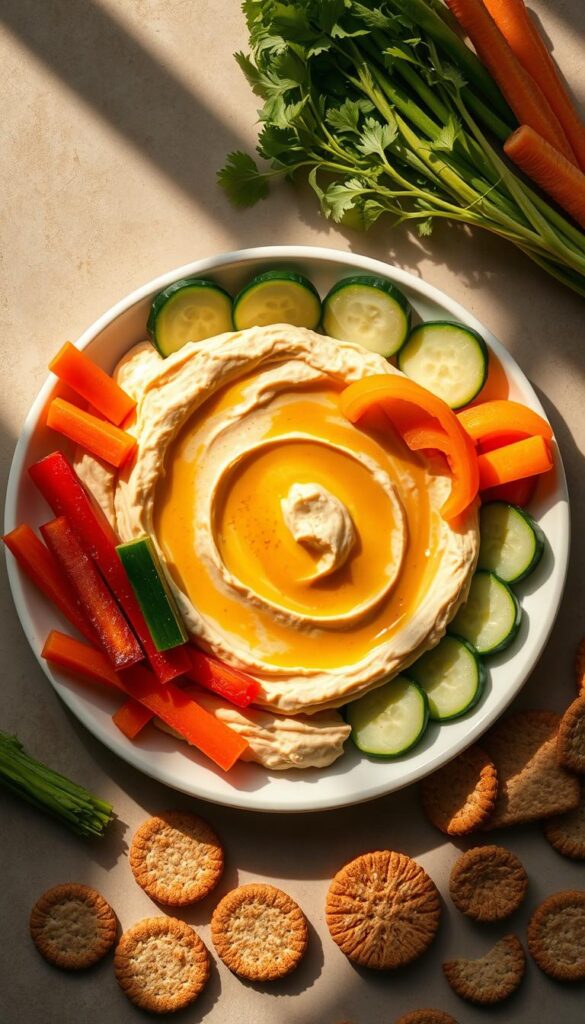
Keep lunch simple and fun so your kid can feed themselves and try new textures.
Hummus plate: arrange soft cucumber sticks, bell pepper strips, carrot coins, snap peas, and whole-wheat crackers. Let your kid dip and explore at their own pace.
Avocado toast: mash avocado on whole-grain toast and sprinkle nutritional yeast and hemp hearts for savory flavor and healthy fats. Cut into strips for easy handling.
Broccoli or lentil fritters
Pan-cook small, soft patties so they are dippable. Serve with a sunflower seed dip to keep the meal nut-free for daycare or school.
Smoothie cups
Blend spinach, banana, chia, plant yogurt, and a spoon of nut or seed butter. Portion into small cups so the snack is easy to manage and not wasteful.
Tofu nuggets with peas and rice crackers
Bake or air-fry nuggets and pair them with peas and olives for variety. Swap risky crunch items for rice crackers and cut firm foods to safe sizes.
- Plan lunches and snacks as finger-foods to speed assembly at home.
- Keep ingredients flexible so swaps fit the time you have.
- Pair a fruit or veg with every snack to build routine variety.
“Simple plates you repeat often reduce midday stress and help kids try new foods.”
Dinner-friendly vegan toddler recipes the whole family can share
A handful of easy sauces and basic cooking steps will give you reliable, shared meals every night. Keep elements separate on the plate so your child can explore textures while the rest of the family eats the same foods.
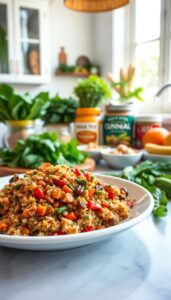
Red lentil dal with white rice and green beans: simmer red lentils until very soft. Serve with fluffy white rice and lightly steamed green beans for scooping.
Tofu and cashew alfredo pasta with peas and broccoli
Blend a creamy tofu and cashew sauce to coat short pasta. Add peas and broccoli, and thin the sauce so it clings to small bites.
Hearty tofu chili with added spinach and avocado slices
Make a chunky chili and stir in frozen spinach at the end. Top a child’s bowl with avocado for healthy fat and smoother texture.
Pesto pasta with beans and steamed veggies
Pulse pesto until mild, toss with pasta and white beans, and offer a side of steamed veggies or a simple salad for the table.
Buddha bowls, deconstructed tacos, and pizza ideas
Build bowls with brown or white rice, baked tofu, shredded veggies, and a peanut sauce on the side so your kid can choose. For tacos, serve black beans, roasted sweet potato, and guacamole with a soft tortilla.
Bake a black bean crust pizza or a classic veggie pizza and add edamame for extra protein. These meals save time and keep weeknight dinner prep predictable.
“Make one batch, change the cut size or sauce amount for your child’s plate, and you’ve made a true family meal.”
Conclusion
Keep a simple weekly rotation and mealtime will feel less chaotic. Pick a few breakfast and lunch ideas—pumpkin oat waffles, hummus plates, and avocado toast—that you can repeat across the day.
Use two or three go-to dinners like red lentil dal, tofu cashew pasta, or a rice bowl with sweet potato. Reuse a mild sauce or spread to change flavors without extra work. Pair beans or lentils with vitamin C sides to support iron and nutrition.
Save time by shopping a short list of ingredients and by making one or two sauces ahead. Add small treats—pumpkin muffins or a touch of chocolate—to keep kids curious.
This post is a practical way to build family meals at home. Try one recipe, repeat what works, and enjoy more calm time together.