Can a few simple swaps make your meals tastier and more heart-healthy without extra time or cost?
You’ll find quick, nutrient-dense ideas that fit a plant-based diet and common U.S. pantry staples. Think brown rice bowls with almond-lime dressing, lentil-vegetable soup, and creamy tomato pasta made with plant milk instead of sugar-laden sauces.
These dishes focus on balanced protein, fiber, and healthy fats so you keep steady energy and stable blood sugar. The mini 5-day plan includes oatmeal, quinoa-chickpea salads, baked tofu with greens, and stuffed peppers for variety and easy prep.
Practical tips such as texture adjustments, low-sodium seasoning, and using versatile nuts and seeds help you cook safely and affordably. Expect time-saving methods like one-pot meals and batch cooking so you can eat well without long hours in the kitchen.
Key Takeaways
- Simple, affordable plant-based meals can support your health and are easy to prep.
- Balanced plates emphasize protein, fiber, and healthy fats for steady energy.
- Heart-friendly choices focus on low sodium and potassium-rich ingredients like quinoa and beans.
- Texture and seasoning tips make meals enjoyable and safe for varied appetites.
- Batch-cooking and bulk buys save time and money while keeping variety.
Why you’ll love these vegan seniors recipes right now
Fast, nourishing dinners that taste great and use pantry staples make weeknights easier. Many whole-food plant-based meals finish in 20–35 minutes, so you spend less time cooking and more time enjoying your plate.
Simple steps lead to big flavor. Herbs, citrus, and toasted spices add punch without extra salt or heavy sauces. Soups, stir-fries, and pasta get creamy using plant milk or blended beans.
“You won’t miss meat when you use tofu, tempeh, beans, and lentils for protein and texture.”
- Quick: Nutritious dinners ready in minutes with few steps.
- Comforting: Familiar foods—oats, potatoes, pasta—paired with legumes for balance.
- Practical: One-pot and sheet-pan methods cut cleanup and save time.
- Health-forward: Choices that support blood pressure, bone strength, and steady energy.
Scale portions or batch-cook to cover several meals. Ingredients are easy to find in U.S. stores and flexible for swaps. Try one recipe this week to build kitchen confidence and enjoy a satisfying variety of foods.
Senior-focused nutrition: protein, fiber, bone health, and blood pressure support
A few mindful food choices make it easier to protect muscle mass and support overall health without complex meal plans.
Rotate high-protein plant options—beans, tofu, tempeh, and lentils—across breakfast, lunch, and dinner to keep your body supplied with amino acids. Combine these with whole grains and healthy fats to stabilize blood sugar and increase satiety.
Hydration and texture tips for easier chewing and digestion
Choose soups, stews, mashed legumes, and tender grains to make chewing simpler and digestion gentler. Dice vegetables small and add leafy greens like spinach to smoothies, soups, or sautés for iron, calcium, and folate.
- Heart support: Favor potassium- and magnesium-rich foods such as beans, quinoa, and greens to help lower blood pressure.
- Bone health: Pair vitamin K–rich greens with vitamin C sources to aid calcium absorption.
- Hydration: Drink regular sips and include water-rich dishes—brothy soups, smoothies, and chia puddings.
Adjust portions, snack smart, and season with herbs and citrus to keep flavors bright while limiting added salt. A varied diet protects nutrients and keeps meals enjoyable.
Your kitchen setup and grocery list: budget-friendly vegan staples
Build a simple kitchen that helps you turn a few staples into filling, low-cost meals every week.
Keep your grocery list short and repeatable. Choose pantry foods that form the backbone of many meals so shopping is fast and reliable.
Pantry heroes
- Chickpeas, black beans, lentils — canned or dry for soups and salads.
- Quinoa, brown rice, oats, whole-grain pasta — buy bulk to save.
- Whole-grain bread (freeze to extend life) and canned tomatoes for sauces.
Fresh produce picks
Keep hardy greens like kale and spinach, plus tomatoes, red onion, sweet potatoes, and avocado on hand. These vegetables dress up bowls, sautés, and a quick salad.
Flavor builders
- Spices, fresh herbs, citrus juice, tahini, and nutritional yeast add big flavor without salt.
- Portion nuts for snacks and dressings to control cost and calories.
- Frozen berries and veggies save money when fresh is pricey.
Tip: Organize shelves so essentials are within reach. That small habit speeds prep and helps you eat well on a budget.
Budget and time savers for weeknight meals
Set aside one day to chop, cook, and portion so dinners come together in minutes. Batch-cook grains and beans, portion them, and freeze or chill so you can mix bowls in no time.
Choose short ingredient lists and simple steps to cut decision fatigue. Use a rice cooker, slow cooker, or microwave to finish plates while you relax.
- Make sauces (tahini-lemon, almond-lime) on the weekend to speed assembly during the week.
- Freeze portions of soups and stews so a balanced meal is ready in under 20 minutes.
- Turn leftovers into new dishes—chili becomes a stuffed potato; grain bowls become salads.
- Pre-portion nuts and seeds to add crunch and calories without extra prep.
- Keep a taped list of quick ideas on the fridge so you pick a simple recipe fast.
These habits make a plant-forward diet affordable and practical. With small upfront work, weeknight meals take less time and often only a few minutes to finish.
Breakfast ideas to start strong
Start your day with simple, flavorful breakfasts that deliver steady energy and easy prep. These morning options mix whole grains, plant protein, and healthy fats so you stay satisfied until lunch.
Oatmeal with strawberries, almonds, and flax — Cook oats and top with sliced strawberries, a sprinkle of almonds, and ground flax seeds for fiber and omega-3s. Add a dash of cinnamon or citrus zest for variety.
Chia pudding with almond milk
Whisk chia seeds with almond milk and a little water the night before. In the morning, stir in mixed berries for a ready-to-eat breakfast that takes minutes to enjoy.
Kale-berry smoothie
Blend kale, frozen berries, a splash of milk, and a scoop of plant protein or a small piece of tofu for creaminess. Pour into a bowl or glass and top with chopped nuts for crunch.
Chickpea “omelet”
Whisk chickpea flour with water, salt, and spices. Pour into a pan, then fold in sautéed spinach and mixed veggies for a savory, cheese-style flavor boosted by nutritional yeast.
- Prep tips: Batch-cook oats, portion chia cups, and freeze smoothie packs.
- Adjust textures—softer oats and blended smoothies—if chewing is a concern.
| Breakfast | Prep time | Key add-ins |
|---|---|---|
| Oatmeal bowl | 10 minutes | Strawberries, almonds, flax |
| Chia pudding | 2–3 minutes (night) | Almond milk, water, berries |
| Kale-berry smoothie | 5 minutes | Kale, tofu/plant protein, seeds |
| Chickpea omelet | 10 minutes | Chickpea flour, spinach, veggies |
Light and satisfying lunches you can assemble fast
Light, fast lunches should fuel your afternoon without long prep or heavy plates. These ideas use batch-cooked grains and canned beans so assembly takes minutes.
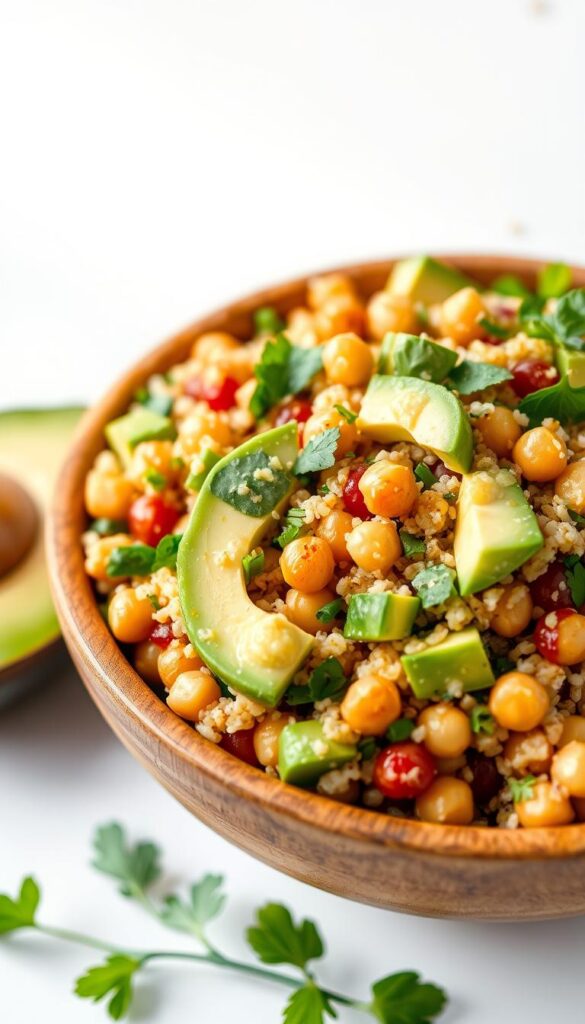
Quinoa, avocado & chickpea salad over mixed greens
Toss warm quinoa with diced avocado, canned chickpeas, halved tomatoes, and thin slices of red onion. Finish with lemon, olive oil, and a sprinkle of seeds for crunch.
Chickpea salad wraps with creamy tahini dressing
Mash chickpeas with a spoon of tahini, mustard, chopped pickles, and herbs. Spread into a soft wrap with greens and thin-sliced cucumber for an easy, portable lunch.
Mile-high veggie and hummus sandwich on whole-grain bread
Layer hummus with cucumber, tomato, and thin onion for texture. Add spinach or baby greens and slice the sandwich in half to make it easier to eat.
Quick tips: Keep dressings in a small jar so greens stay crisp. Choose soft fillings or thin slices if chewing is a concern. Use this simple template as a repeatable recipe you can swap based on what’s in your kitchen.
Comforting dinners with simple steps
Turn a few pantry staples into filling dinners that reheat well and please the palate. These ideas keep prep short and let the oven or a hot skillet do the heavy lifting.
Stuffed bell peppers with quinoa, black beans, and corn: Bake colorful peppers filled with cooked quinoa, beans, corn, and a touch of salsa. This dish holds up in the fridge and makes a quick reheat dinner for busy nights.
Tofu and vegetable stir-fry over brown rice: Sear cubed tofu, then toss with mixed vegetables and sliced onion. Finish with a light peanut or soy-based sauce and serve on warm rice for a protein-rich, fast meal.
Sweet potato–black bean burgers with a crisp sear: Mix mashed sweet potato with black beans, form patties, and pan-sear until golden. Serve with greens and your favorite condiments for a satisfying handheld dish.
Quick tips: Add a simple tomato-mushroom pasta night using plant milk to make a creamy sauce in about 20 minutes. Double fillings to repurpose leftovers—extra burger mix becomes tacos, and spare quinoa works under a stir-fry.
“Use garlic, ginger, and citrus to lift everyday veggies into a memorable meal.”
- Embrace sheet-pan dinners in the oven for minimal cleanup.
- Swap quinoa when you want a higher-protein grain base.
- Scale portions to fit your appetite and recovery needs.
Soups and stews that nourish without the fuss
A simmering pot can turn a few staples into a week’s worth of nourishing meals. Soups and stews are forgiving, easy to chew, and often freeze well. They let you blend legumes, vegetables, and grains into bowls that warm you from the inside out.
Hearty lentil-vegetable soup
Simmer brown or green lentils with carrots, celery, onion, and diced tomatoes for a filling dish that freezes nicely. Add a splash of vinegar or lemon at the end to brighten the flavor.
Red lentil soup with turmeric and cumin
Red lentils cook fast and blend into a silky texture. Season with turmeric, cumin, and a little ginger for warm spices that soothe and comfort.
Mushroom, kale, and white bean stew
Sauté onion and garlic, add mushrooms and beans, then stir in torn kale for iron and umami depth. This stew holds well and tastes better the next day.
Sweet potato coconut curry soup
Roast sweet potato, then blend with coconut milk, garlic, and ginger for a creamy curry soup. Serve with a scoop of brown rice or a small grain on the side to make portions more satisfying.
- Make a hands-off bean chili in a slow cooker with tomatoes and spices for deep flavor and minimal effort.
- Keep sodium modest; lean on aromatics and herbs for layered taste.
- Chop vegetables small for easier chewing, and batch-cook to portion and freeze.
| Dish | Main legume | Key spices | Best served with |
|---|---|---|---|
| Lentil-vegetable soup | Brown lentils | Paprika, bay leaf | Whole-grain bread or rice |
| Red lentil soup | Red lentils | Turmeric, cumin | Toasted pita or rice |
| Mushroom & white bean stew | White beans | Thyme, black pepper | Small grain or crusty bread |
| Sweet potato coconut soup | No legume (optional beans) | Curry powder, ginger | Brown rice or quinoa |
Bowls and salads packed with color and crunch
Colorful grain bowls bring texture and nutrients together in a single, satisfying plate.
Brown rice bowl with roasted sweet potato, red cabbage, and almond-lime dressing
Build a warm grain base of brown rice, then top with roasted sweet potato, shredded red cabbage, and scallions. Drizzle an almond-lime dressing for bright flavor and crunch.
Avocado & black bean salad with lime vinaigrette
Toss diced avocado and black beans with lime juice, chopped tomato, and cilantro. The mix is fast, high in fiber, and creamy without heavy sauces.
Roasted vegetable salad with balsamic glaze
Roast carrots, zucchini, and peppers, then toss with baby kale and a splash of balsamic. Add chopped nuts for texture and healthy fats.
Hummus grain bowl with quinoa, veggies, and seeds
Layer cooked quinoa with mixed veggies, a scoop of hummus, sliced avocado, and toasted seeds. Thin a creamy dressing with a little plant milk so it coats greens lightly.
Quick tips:
- Fold in kale or spinach to boost nutrients without changing taste.
- Add chickpeas or tofu cubes when you want extra protein.
- Follow the simple method: grain base, colorful vegetables, legume or tofu, and a punchy dressing.
- Keep a few go-to bowls on rotation so assembly takes minutes on busy nights.
| Bowl type | Main grain | Key add-ins | Dressing idea |
|---|---|---|---|
| Brown rice bowl | Brown rice | Roasted sweet potato, red cabbage | Almond-lime |
| Avocado & bean salad | Optional grain | Avocado, black beans, lime juice | Lime vinaigrette |
| Roasted veggie salad | Quinoa or farro | Roasted carrots, nuts, kale | Balsamic glaze |
| Hummus grain bowl | Quinoa | Hummus, veggies, seeds | Thin tahini with plant milk |
Satisfying sandwiches, wraps, and handhelds
Handhelds make it easy to pack flavor and balance into one quick plate.
Mashed chickpea “tuna” comes together in about minutes. Mash chickpeas with capers, red onion, pickles, tahini, mustard, and a touch of maple for a tangy spread. Use it on sturdy whole-grain bread or in a wrap for a fast, protein-rich lunch.
Spinach and potato soft tacos
Sauté diced potato and wilted spinach, then fill soft tortillas and top with pico de gallo. This meat-free handheld is hearty and gentle to chew. Add thinly sliced onion and fresh herbs for aroma without extra salt.
Spicy tofu tacos with cabbage and guacamole
Pan-sear crumbled tofu with chili and garlic, pile into tortillas, and finish with crunchy cabbage and sliced avocado. Skip cheese and use a simple tahini-lemon sauce or salsa for creaminess.
- Pre-prep fillings so assembly takes under 10 minutes.
- Slice vegetables thin for easier layering and chewing.
- Store wet components separately so bread and wraps stay crisp.
| Handheld | Main filling | Quick top |
|---|---|---|
| Chickpea sandwich | Mashed chickpeas with capers | Red onion, pickles |
| Spinach-potato tacos | Sautéed potato & spinach | Pico de gallo |
| Spicy tofu tacos | Crumbled spicy tofu | Cabbage, guacamole |
Oven-baked favorites with minimal oil
Oven-baked dishes bring big flavor with very little oil and easy cleanup. These options deliver warmth, texture, and smart swaps so you get satisfying meals in about 30–45 minutes.
Spaghetti squash bowls with chickpea marinara
Roast spaghetti squash halves at 400°F for about 45 minutes, then fluff the strands with a fork.
Top with a quick chickpea-and-tomatoes marinara made from canned tomatoes, sautéed garlic, herbs, and drained chickpeas. Batch-cook the sauce so weeknight dinners assemble in minutes.
Crispy baked fries with chili and smoked paprika
For crisp fries, briefly steam potato sticks to loosen starch, then toss with a teaspoon of oil and smoked paprika or chili powder.
Bake until golden and serve as a hearty side next to burgers or bean tacos. Roasted garlic and a squeeze of citrus boost flavor without extra salt.
Sweet potato quesadillas with beans, rice, and spinach
Layer mashed roasted sweet potato, cooked rice, spinach, and black beans in a tortilla. Warm tortillas in the oven so assembly is simple and consistent.
The filling melts into a cheese-style texture without actual cheese. Cut into wedges and portion leftovers into containers for easy reheat meals.
- Quick wins: Keep a jar of marinara on hand and warm tortillas for fast assembly.
- Timing: Most oven steps fit a 30–45 minute window while you prep a salad or sides.
- Swap-friendly: Use pantry staples to change fillings and keep the dish fresh week to week.
One-pot and 30-minute meals for busy days
When time is tight, one-pot meals let you plate dinner fast without sacrificing flavor. These dishes use pantry staples and frozen veg so you save prep time and cut cleanup.
Tomato-mushroom pasta with basil and plant milk
Cook pasta until al dente, then sauté mushrooms and garlic. Stir in canned tomatoes and a splash of plant milk for a silky sauce in about minutes.
Finish with fresh basil and a grind of black pepper for umami and brightness.
Veggie “fried” rice with pineapple and tamari-ginger
Use day-old or quick-cooked rice, add garlic, grated ginger, tamari, and pineapple for sweet-savory balance.
Drop in frozen peas and diced tofu cubes for protein and texture without extra fuss.
Slow-cooker bean chili over quinoa
Dump canned tomatoes, spices, and dried or canned beans into the slow cooker. Let it simmer while you do other tasks.
Spoon chili over warm quinoa for a complete plate that reheats well.
- Why this works: One-pot methods save time and dishes.
- Pantry wins: pasta, rice, canned tomatoes, and beans keep shopping simple.
- Batch tip: Make extra to portion for two nights.
| Dish | Cook time | Protein add-in |
|---|---|---|
| Tomato-mushroom pasta | 20 minutes | Optional tofu cubes |
| Veggie “fried” rice | 15–20 minutes | Tofu or edamame |
| Slow-cooker bean chili | 4–8 hours (low) / 2–3 hours (high) | Beans (canned or dried) |
Protein-forward picks to support muscle mass
Prioritize meals built around soy, beans, and whole grains to support muscle mass and recovery. These plates give the amino acids and minerals your body needs.
Tempeh stir-fry with spinach, tomatoes, and quinoa
Slice tempeh or crumble firm tofu and sear until browned. Toss with garlic, fresh tomatoes, and a generous handful of spinach for color and iron.
Serve this over warm quinoa to create a complete protein. Finish with lemon and herbs so the dish stays bright without extra salt.
Falafel-style chickpea-zucchini patties with tahini ranch
Grate zucchini, mash canned chickpeas, and mix with spices and a little flour to bind. Pan-sear patties until crisp on the outside and tender inside.
Whisk tahini with lemon juice, water, and a touch of garlic to make a tangy sauce. The tahini adds creaminess and calcium without dairy.
- Rotate legumes and soy foods to keep meals varied and nutrient-rich.
- Meal-prep patties and stir-fry bases for easy bowls, sandwiches, or salads all week.
- Choose textures—crumbled tofu or sliced tempeh—for easier chewing and better digestion.
| Dish | Main protein | Best grain pairing | Quick tip |
|---|---|---|---|
| Tempeh stir-fry | Tempeh or tofu | Quinoa | Use lemon + herbs; add spinach at the end |
| Chickpea-zucchini patties | Chickpeas | Whole-grain pita or salad base | Make a tahini sauce for creaminess |
| Chickpea fritter option | Chickpeas or mixed beans | Brown rice bowl | Pan-sear oil-free or bake for crisp texture |
Your heart-healthy, low-sodium choices
Building low-salt dinners around legumes and colorful produce supports blood pressure and keeps meals satisfying.
White bean chili with quinoa and zucchini
Make a low-sodium white bean chili by simmering drained beans, diced zucchini, and cooked quinoa with garlic, cumin, and oregano.
This bowl combines fiber, plant protein, and minerals without added salt. Finish with lemon and chopped herbs to brighten the flavor.
Black bean salad with creamy avocado dressing
Toss black beans with chopped tomatoes, thin slices of red onion, and a blended avocado dressing for richness without dairy.
Serve over greens or grain bowls for a quick salad that packs protein and healthy fats.
Kale and mushroom veggie-loaded pasta
Load whole-grain pasta with sautéed mushrooms, torn kale, and a handful of spinach to boost volume and nutrients.
Season with garlic, pepper, and a squeeze of citrus instead of heavy salt or cheese to keep it heart-friendly.
- Balance each plate with legumes, whole grains, and colorful produce to support overall health.
- Use oils sparingly; prefer roasting, steaming, or simmering.
- Prep chopped greens and cooked grains ahead so these meals come together fast.
- Prioritize potassium- and magnesium-rich ingredients to help cardiovascular function.
- Transform leftovers—chili over baked potatoes or salad into wraps—to reduce waste.
Tip: These simple, low-sodium ideas keep familiar comfort foods in your diet while supporting long-term health and flavor.
Five-day mini meal plan you can follow today
A structured five-day plan helps you eat balanced meals without extra planning. Use batch-cooked grains, canned beans, and a few fresh greens to keep each day simple and flexible.
Day One
Breakfast: Oatmeal with berries and almonds.
Lunch: Quinoa-chickpea salad.
Dinner: Baked tofu with kale and whole-grain bread.
Day Two
Breakfast: Chia pudding.
Lunch: Hearty lentil soup.
Dinner: Tempeh with spinach, tomato, and quinoa.
Day Three
Breakfast: Kale-berry smoothie.
Lunch: Tofu veggie stir-fry.
Dinner: Chickpea curry with quinoa.
Day Four
Breakfast: Plant yogurt with banana and chia.
Lunch: Tempeh avocado sandwich on whole-grain bread.
Dinner: Stuffed peppers with quinoa and beans.
Day Five
Breakfast: Avocado toast.
Lunch: Lentil salad with mixed greens.
Dinner: Tofu vegetable curry with brown rice.
Tips: Sip water with meals and between them, scale portions to your appetite, and repeat favorites to cut prep time.
| Day | Breakfast | Lunch | Dinner |
|---|---|---|---|
| One | Oatmeal (berries, almonds) | Quinoa-chickpea salad | Baked tofu, kale, bread |
| Two | Chia pudding | Lentil soup | Tempeh, spinach, quinoa |
| Three | Kale-berry smoothie | Tofu stir-fry | Chickpea curry, quinoa |
| Four | Yogurt, banana, chia | Tempeh avocado sandwich | Stuffed peppers |
| Five | Avocado toast | Lentil salad | Tofu curry, brown rice |
Smart sauces and dressings for big flavor
Bright, well-balanced sauces can turn simple bowls into memorable meals. Use citrus, toasted nuts, and a splash of plant milk to change texture and boost flavor without added salt.
Build a small toolkit of dressings so you can finish plates in seconds. Here are three easy directions to try and adapt.
Almond-lime lift
Blend almonds, fresh lime juice, a little water, and olive oil for a bright dressing. It pairs especially well with brown rice, red cabbage, and roasted sweet potato.
Tahini-lemon cream
Whisk tahini with lemon, warm spices, and chopped herbs for a creamy, calcium-rich sauce. Thin with plant milk to pour or keep thicker for dipping.
Pesto-style green blend
Make a quick pesto with soaked cashews or sunflower seeds, basil, spinach, nutritional yeast, and olive oil. Soak the nuts first for smoother texture and thin with a splash of milk if needed.
- Batch-prep jars on the weekend to speed weeknight meals.
- Adjust acidity with citrus and spices so flavor pops without much salt.
- Freeze extras in small portions for fast use later.
Pantry, freezer, and batch-cook tips to save you time
Maximize your oven and freezer so you spend less time cooking and more time enjoying meals.
Cook big batches of beans and a neutral grain at once so you can assemble a nourishing bowl in minutes. Portion soups, stews, and chili into labeled containers for easy reheats.
Fill the oven with sheet pans of roasted vegetables and baked potatoes to use energy efficiently. Freeze single portions and keep a few frozen staples—berries, spinach, and mixed vegetables—for quick add-ins.
Keep a running list of batch-friendly ideas and rotate them so variety stays high. Refresh leftovers with a bright sauce or chopped herbs to make each plate feel new.
- Label containers with date and portion to manage inventory.
- Make oil-free hummus or chickpea mash for a 10-minute protein boost that freezes well.
- Schedule one weekly cook-up to cut daily prep and reduce stress.
Quick habit: use a simple template—grain, beans, veggies, sauce—to decide fast and eat well more often.
How to shop U.S. grocery aisles for nutrient-dense vegan foods
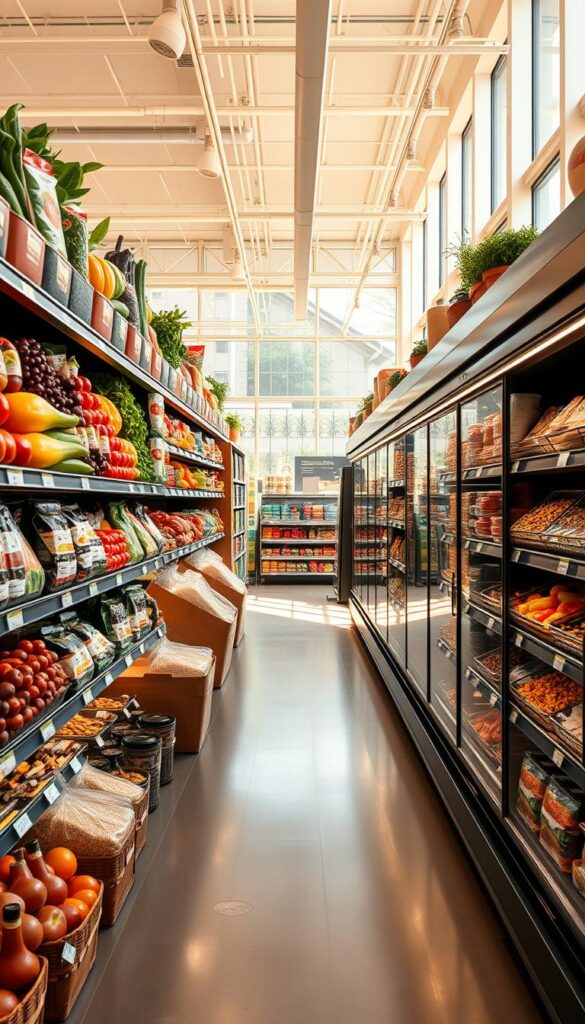
Shop with a short plan so you leave the store with nutrient-dense staples, not impulse buys.
Start on the perimeter for fresh produce, then fill the cart with canned beans, whole grains, and low-sodium staples. Choose bulk oats, quinoa, and rice to lower cost per serving and support a plant-forward diet.
Scan labels for sodium and added sugar. Prioritize single-ingredient foods you can turn into quick meals. Pick durable greens and salad mixes, plus frozen fruits and vegetables to reduce waste.
Flavor matters: grab a variety of spices so you can make global tastes at home without store sauces. Stock plant milks, canned tomatoes, and no-salt-added beans to anchor soups, stews, and bowls.
- Keep a short list of weeknight recipes and buy only what you need.
- Freeze extra bread and portion nuts to stretch supplies.
- Choose store brands for staples and carry a refillable bottle of water—shop after drinking to avoid impulse snacks.
Quick tip: shop the bulk aisle, read labels, and plan a few go-to meals so healthy choices stay easy and affordable.
Conclusion
With a few reliable staples and smart prep, you can build nourishing plates that suit any appetite. ,
What you gain: a clear plan to eat a plant-forward diet that fits your routine and supports long-term health.
You’ll know how to combine grains, legumes, vegetables, and simple sauces so your body gets steady protein, fiber, and minerals. Add seeds for omega-3s and a sprinkle of texture.
Batch-cooking, easy dressings, and smart shopping make meals doable and budget friendly. Swap dairy with flavor builders so you do not rely on cheese to enjoy creamy, satisfying dishes.
Rotate the five-day plan or mix ideas to make this way of eating truly yours. Small habits lead to lasting results, one tasty, heart-friendly meal at a time.