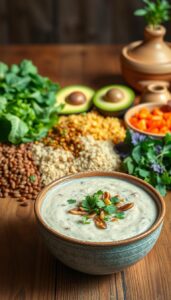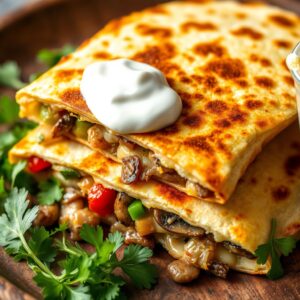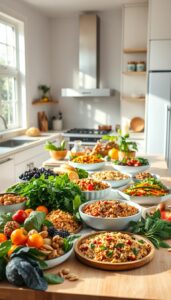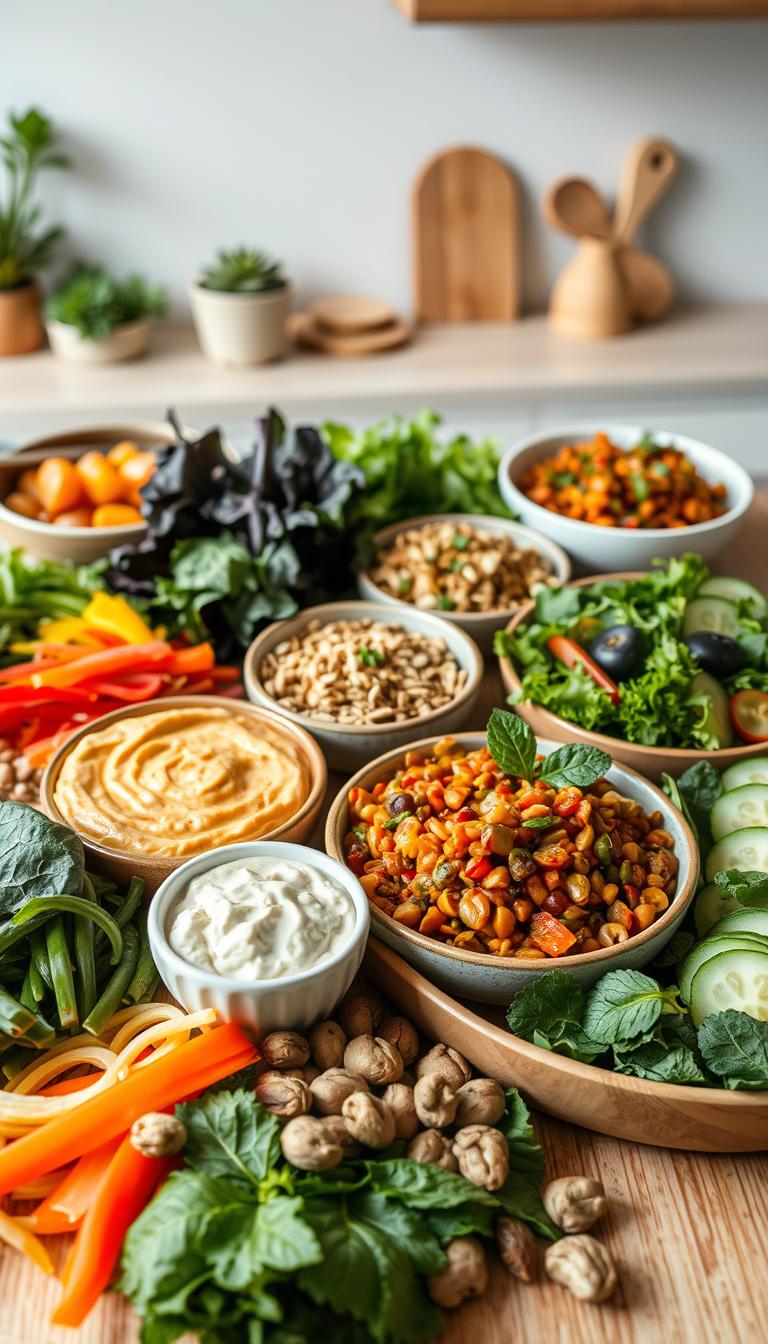
Curious how small changes at breakfast can reshape your digestion by dinner? You’ll learn simple, tasty ways to add more fiber and whole foods into your day without complicated shopping or long prep times.
Start with familiar dishes like overnight oats or a chickpea flour omelet that pack fiber and protein. These options help you move toward the Academy of Nutrition and Dietetics’ targets, since most Americans fall short on fiber.
This guide turns nutrition science into practical meals—breakfast, lunches, mains, sides, and treats—that support your microbiome and overall nutrition. You’ll get clear ideas for make-ahead bowls and a chili that reheats well for busy days.
Expect easy swaps, pantry strategies, and step-by-step tips so you can hit fiber goals and enjoy the food you eat every course of the day.
Key Takeaways
- Simple meals can boost your fiber and support the microbiome.
- Overnight oats and chickpea omelets deliver high fiber per serving.
- Make-ahead dishes save time and help you stick with a fiber-rich diet.
- Whole grains, beans, fruits, nuts, and seeds are practical staples.
- Small, consistent swaps make hitting daily fiber easier.
Why Fiber-Focused Vegan Cooking Supercharges Your Microbiome
Focus matters. When you add and rotate many plant foods, you give the microbiome varied substrates to feed on. That variety encourages diverse bacteria and stronger short-chain fatty acid production, which supports overall nutrition and a healthy gut.
How 30 different plant foods a week boosts gut diversity
Research from the American Gut Project links eating 30+ plant foods weekly with greater microbial diversity. Aim to mix beans, whole grains, fruits, vegetables, nuts, seeds, herbs, and spices across the week to expand the types of microbes you support over the years.
Daily fiber targets in the U.S. and how you can hit them
The Academy of Nutrition and Dietetics recommends about 25 g/day for women and 38 g/day for men. Build plates around legumes plus a whole grain and two produce items to make fiber central, not an afterthought.
Sleep, exercise, and nature: lifestyle habits that support gut health
Prioritize consistent sleep and ~150 minutes of weekly activity. Also spend regular time outdoors to encounter broader environmental microbes. Together with a fiber-forward diet, these habits help you keep your gut resilient.
- Quick tip: Rotate plant families each week to vary fiber and polyphenols.
- Shopping tip: Pick two grains and several bean types to raise foods diversity at home.
Breakfast Starters for a Healthy Gut
Mornings set the tone for your digestive day—choose breakfasts that are easy to prep and rich in fiber. These options fit busy routines and support a balanced diet without long cooking times.
Overnight oats with berries, almonds, and flax
Prep once, eat all week. Mix rolled oats, plant milk, berries, chopped almonds, and ground flax the night before. Store jars in the fridge so breakfast is ready in minutes.
One serving can deliver about 12 g of fiber, making it a strong, grab-and-go start for your gut and daily intake.
Chickpea flour “omelet” with spinach and mushrooms
Whisk chickpea flour with water and seasonings, then fold in chopped spinach and sautéed mushrooms. Cook like a thin pancake for a savory, protein-forward meal.
This version can provide roughly 18 g fiber and 19 g protein per serving — a filling choice that supports both appetite and gut diversity.
Low FODMAP muffins made with almond flour
If you need a gentle option, bake almond flour muffins on the weekend. They take about 30 minutes total and are designed for sensitive mornings.
Keep the ingredients simple: almond flour, eggs or a binder, a low-FODMAP fruit, and a touch of spice for flavor. Store them in the fridge or a cool cupboard for quick breakfasts all week.
“Batching two or three breakfast options helps you stick with fiber-forward choices even on the busiest days.”
- Rotate toppings like chia, hemp, or pumpkin seeds to vary texture and nutrients.
- Keep pantry ingredients simple to swap flavors without new shopping trips.
High-Fiber Lunches That Keep You Full and Focused
A midday bowl can keep you alert and satisfied without slowing you down. Build lunches that combine whole grains, beans, and bright produce so energy stays steady through the afternoon.
Quinoa salad bowls with beans, tomatoes, lime, and avocado
Combine cooked quinoa with drained beans, chopped tomatoes, diced avocado, and fresh herbs. Squeeze lime over the top and toss gently.
This bowl is a 10-minute lunch idea that can be gluten-free and scales well for meal prep.
Edamame-pea lemon toast on whole grain bread with quick-pickled onion
Mash steamed edamame and peas with lemon, herbs, and a pinch of salt. Spread generously on toasted whole grain bread and finish with quick-pickled red onion and a few cauliflower florets.
One loaded slice can deliver about 17 g fiber, making this open-faced sandwich a filling option.
- Pantry tip: Keep canned beans and pre-cooked grains to assemble these lunches in minutes.
- Brighten flavor with a splash of tomato or citrus to add antioxidants that complement your fiber intake.
Dinner Winners: Flavor-Packed Mains
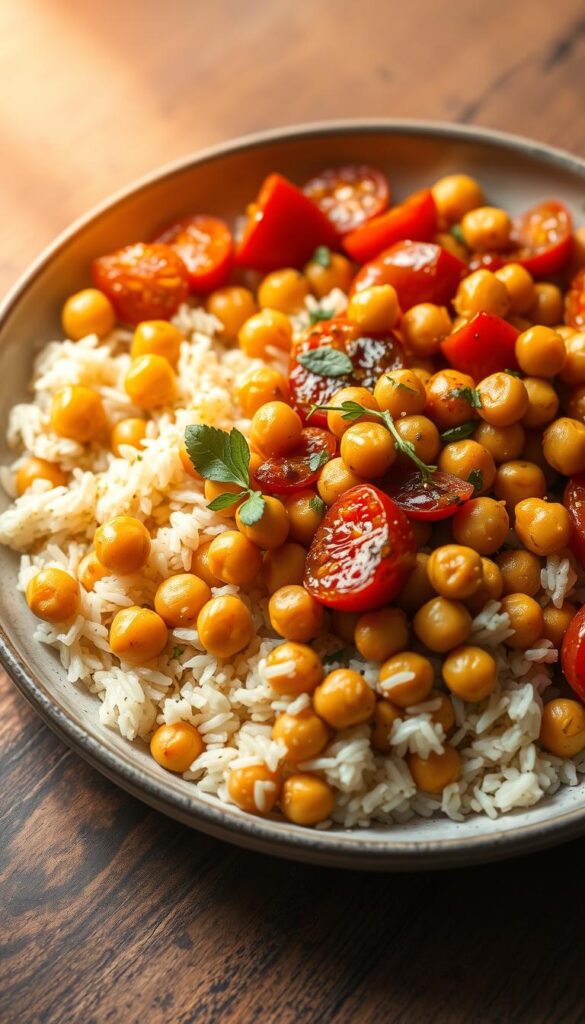
A hearty dinner can be ready in under an hour when you rely on canned beans, tomatoes, and simple aromatics. These mains are built for busy nights and for stocking the freezer.
Chickpea curry jacket potato
Load a baked potato with a quick chickpeas curry simmered in tomato, cumin, garlic, and onion. Stir in wilted spinach for color and extra fiber.
Why it works: Minimal prep, big flavor, and easy portioning for leftovers.
Veggie chili with kidney beans
Make a large pot with canned kidney beans, tomatoes, paprika, and more onion and garlic for depth. This dish reheats well and can deliver around 19 g fiber per serving.
Tip: Add mushrooms to boost umami and variety in your weekly rotation.
Sri Lankan–style coconut curry stew
Simmer mixed vegetables in coconut milk and warm spices, then serve over rice. The result is creamy, aromatic, and family-friendly.
Lentil ragù over whole grain pasta
Stir cooked lentils into a tomato sauce with herbs and sautéed mushrooms for a satisfying ragù. Toss with whole grain pasta for a hearty meal that can provide ~16 g fiber per serving.
- Use garlic and onion to build fast flavor.
- Finish with fresh herbs and citrus for brightness.
- Double batches and freeze portions for easy weeknight dinners.
| Dish | Approx. Fiber per Serving | Cook Time | Best For |
|---|---|---|---|
| Chickpea curry jacket potato | 10–14 g | 45–60 min (mostly baking) | Comfort night, single-plate meal |
| Veggie chili with kidney beans | ~19 g | 40–50 min | Leftovers, meal prep |
| Sri Lankan coconut curry stew with rice | 8–12 g | 30–45 min | Family dinners, dinner with rice |
| Lentil ragù over whole grain pasta | ~16 g | 35–45 min | Pasta night, meatless swap |
Low FODMAP Vegan Gut Health Recipes
You can build dinner around mild spices, coconut milk, and sturdy vegetables in 20–30 minutes. These low-FODMAP options aim to be gentle while still boosting fiber and variety for your microbiome.
Mushroom, eggplant, and chickpea curry with gut-friendly spices
Use sliced mushrooms and diced eggplant with canned chickpeas. Sauté in garlic-infused oil and add ground turmeric, coriander, and cumin.
Stir in coconut milk for creaminess and simmer about 15–20 minutes. Serve with brown rice or quinoa for a quick, balanced meal that supports bacteria diversity.
Spinach and butter bean curry over quinoa
Wilt fresh spinach into a light tomato base and fold in drained butter beans. Season with mild curry powder and lemon zest.
This low-FODMAP bowl takes roughly 30 minutes and pairs well with quinoa or rice to keep protein and fiber high without heavy onions or fresh garlic.
Vietnamese-inspired coconut tempeh curry for a fermented protein boost
Cube tempeh and pan-fry until golden. Add a coconut milk sauce with lime, ginger, and a touch of chili for brightness.
Tempeh delivers fermented protein and texture, while small potato chunks can be added if you want more substance. Ready in about 20 minutes and great with steamed rice.
- Tip: Keep garlic-infused oil and low-FODMAP spice blends on hand to build quick flavor.
- Serve: Try quinoa, brown rice, or a small baked potato to round the plate and hit fiber goals.
Bowls, Stir-Fries, and One-Pots for Busy Weeknights
Quick stir-fries and grain bowls are a smart way to stack vegetables and whole grains on weeknights. You can make a satisfying meal with minimal cleanup and big flavor.
Farro or brown rice stir-fry with ginger, lime, and steamed kale
Toss cooked farro or brown rice with mixed vegetables in a quick ginger-lime sauce. Add steamed kale at the end so it wilts but keeps texture.
This bowl can deliver around 19 g fiber and 19 g protein when you load it with beans, tofu, or edamame plus grains. Finish with a squeeze of lime for bright contrast.
Polenta bowls topped with kidney beans, salsa, and avocado
Soft polenta is a fast base. Top with heated kidney beans, fresh salsa, and sliced avocado.
These bowls take about 15 minutes and use just six ingredients. They are ideal when you want a hearty plate without much prep.
- Keep frozen mixed vegetables on hand to boost volume and color.
- Batch-cook grains at the start of the week to assemble bowls in under 10 minutes.
- Use a simple sauce of grated ginger, lime, soy or tamari, and a touch of oil to pull flavors together.
| Dish | Time (minutes) | Key Ingredients | Fiber per Serving |
|---|---|---|---|
| Farro or brown rice stir-fry | 20–25 | Farro/rice, mixed vegetables, kale, ginger-lime sauce | ~19 g |
| Polenta bowl with kidney beans | 15 | Polenta, kidney beans, salsa, avocado, cilantro | 8–12 g |
| Batch grain bowl (make-ahead) | 10 (assembly) | Cooked grains, beans, frozen veg, greens, simple sauce | Varies — high with beans |
Sides, Snacks, and Dips That Feed a Healthy Gut
Snack-time solutions like baked falafel and silky dips make it simple to eat more plants without extra cooking. These additions boost fiber, add texture, and help you mix flavors across bowls and sandwiches.
Oven-baked falafel with tahini, garlic, and herbs
Bake instead of fry to keep this side lighter while keeping the classic garlic-herb flavor. Crisp edges come from high heat and a light mist of oil.
Serve with warm pita or whole grain bread and a squeeze of lemon for contrast.
Silky hummus with chickpeas, lemon, and paprika
Blend good-quality chickpeas with tahini, lemon, a pinch of salt, and smoked paprika for depth. The result is a creamy dip that pairs well with veggie sticks, bread, or grain bowls.
Homemade sauerkraut for probiotic zing
Ferment shredded cabbage with a little salt to create a tangy jar that introduces beneficial bacteria to meals. Add small scoops to sandwiches or bowls for crunch and flavor.
- Prep tip: Pack snack boxes with veggies, hummus, and baked falafel for easy reach between meals.
- Use leftovers as toppers on salads and bowls to add fiber and plant diversity without extra cooking.
Comfort Bakes and Tray Meals the Whole Family Will Love
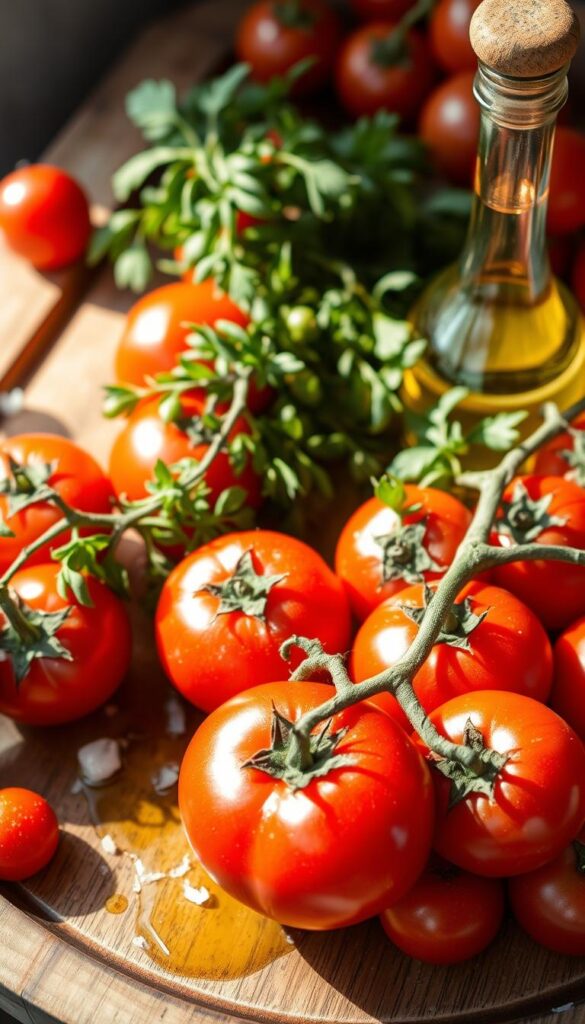
When nights are busy, a single pan or pot can deliver a comforting, crowd-friendly dinner with minimal cleanup.
Tomato-forward stews and oven trays are ideal for colder months. Simmer a Mediterranean one-pot with peppers, courgettes, lentils, sweet smoked paprika, tomatoes, and thyme. It warms the kitchen and freezes well for future meals.
Tomato-based Mediterranean veggie stew with lentils and thyme
This stew combines lentils and vegetables with smoked paprika and fresh thyme. Add a bay leaf, a splash of water, and a pinch of salt to deepen flavor. Simmer until the lentils are tender, then finish with lemon for brightness.
Roasted veg and bean sheet-pan with onions, peppers, and mushrooms
Build a sheet-pan meal using sturdy vegetables that roast well. Toss onions, peppers, mushrooms, and canned beans with olive oil, garlic, herbs, and a bit of salt. Roast until edges caramelize for a simple, flavorful tray bake.
“Tray meals save you time and reduce cleanup, making it easier to eat better on busy evenings.”
- Serve: Pair stews and trays with whole grains or leafy greens as an easy side to boost fiber.
- Save time: Set a timer and let the oven do the work while you prep a salad or grain.
- Use leftovers: Turn the next-day portions into lunch bowls or wraps to minimize waste.
Sweet Finishes with Fiber
A warm fruit crumble can be a satisfying finish that adds meaningful fiber to your plate. It’s a simple way to close the day with something sweet and nourishing.
Apple crumble with oats, almond butter, and cinnamon
Make an apple-raspberry crumble that delivers about 9 g fiber per serving. Use rolled oats, a spoon of almond butter, and a touch of cinnamon for a nutty, cozy topping.
Keep the ingredients simple. Swap in oat or almond flour if you want a heartier, rustic topping while keeping the crumble tender. Use a mix of apples for texture and natural sweetness to cut added sugar.
Serve warm with a splash of plant milk or a dollop of dairy-free cream for extra creaminess without overpowering the fruit. Batch-bake and portion leftovers for quick sweet snacks later in the week.
| Dish | Fiber per Serving | Best With |
|---|---|---|
| Apple-raspberry crumble (oats, almond butter) | ~9 g | Plant milk or dairy-free cream |
| Oat-and-almond crumble (use oat or almond flour) | 8–10 g | Warm, served with yogurt alternative |
| Batch-baked portions | Varies by portion | Quick snack during the day |
Time-Savers: Gut-Friendly Meals by the Minute
Keep a handful of cooked grains and a couple of canned beans ready so you can plate a nourishing bowl in ten minutes. This approach saves time and keeps your week predictable.
Quick planning turns small windows into useful prep blocks. Use a short block each week to cook grains, roast vegetables, and portion sauces so everyday assembling is fast.
10-minute quinoa or rice bowls from fridge staples
Assemble bowls in about ten minutes with leftover grains, canned beans, chopped veg, and a simple dressing. Add seeds or a spoonful of tahini for texture and fiber.
20-minute noodle or tempeh coconut curry with spinach
Simmer tempeh or tofu in coconut milk with curry paste and wilted spinach for roughly twenty minutes. Serve over noodles or rice for a cozy, quick course that supports gut health.
30–45 minute chili and baked oatmeal for batch cooking
Set aside one cooking window for dishes that take thirty to forty-five minutes. Make a big pot of chili for dinners and a tray of baked oatmeal for grab-and-go breakfasts.
- Assemble 10-minute bowls from fridge staples so a nourishing meal is minutes away.
- Simmer a 20-minute coconut-tempeh curry for a fast, flavorful dinner.
- Batch cook 30–45 minute staples like chili and baked oatmeal to simplify your week.
- Store meals in clear containers in the fridge to see what’s ready and plate balanced dishes in under five minutes.
| Quick Option | Approx. Time | Best Use |
|---|---|---|
| Grain bowl (leftovers) | 10 minutes | Lunch or quick dinner |
| Tempeh coconut curry | 20 minutes | Warm main course |
| Chili / Baked oatmeal | 30–45 minutes | Batch cooking for week |
Pantry and Fridge Staples to Build Every Recipe Faster
A small set of staples makes it simple to throw together satisfying meals any night. Keep these items on hand and you can move from idea to plate in minutes.
Core proteins and grains: Stock a variety of beans, chickpeas, and lentils plus whole grains like quinoa and brown rice. They provide reliable protein and fiber for bowls, stews, and toasts.
Quick flavor builders: Keep crushed tomatoes, diced tomatoes, and tomato paste, along with garlic, onion, and smoked paprika. These items form a fast sauce base for soups, chilies, and skillet dishes.
Creamy bases and handy extras
Store coconut milk and a couple of plant milks to add creaminess to curries, sauces, and baked oats. A loaf of whole grain bread is useful for toasts, sandwiches, or croutons that add crunch and extra fiber.
- Organize by function: Group bases, proteins, grains, and toppings so you assemble meals faster and reduce decision fatigue.
- Keep seasonings simple: Salt, citrus, and fresh herbs finish dishes and brighten flavors without extra fuss.
Conclusion
A steady pattern of fiber-forward meals makes building better eating habits simple and sustainable. Center plates on whole grains, beans, fruits, and vegetables so each bowl or dinner gives you meaningful fiber and varied foods.
Keep it practical: rotate dishes like chili, lentil ragù, overnight oats, and an edamame-pea toast to hit daily fiber targets with minimal fuss. Over the years, this course of meals supports your microbiome by feeding beneficial bacteria and promotes overall health when paired with sleep, movement, and time outdoors.
Use this roadmap as a flexible framework. Mix and match bowls, stews, and quick dinners so your diet stays convenient, affordable, and enjoyable for years to come.