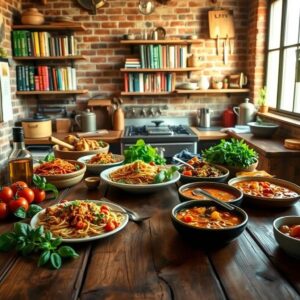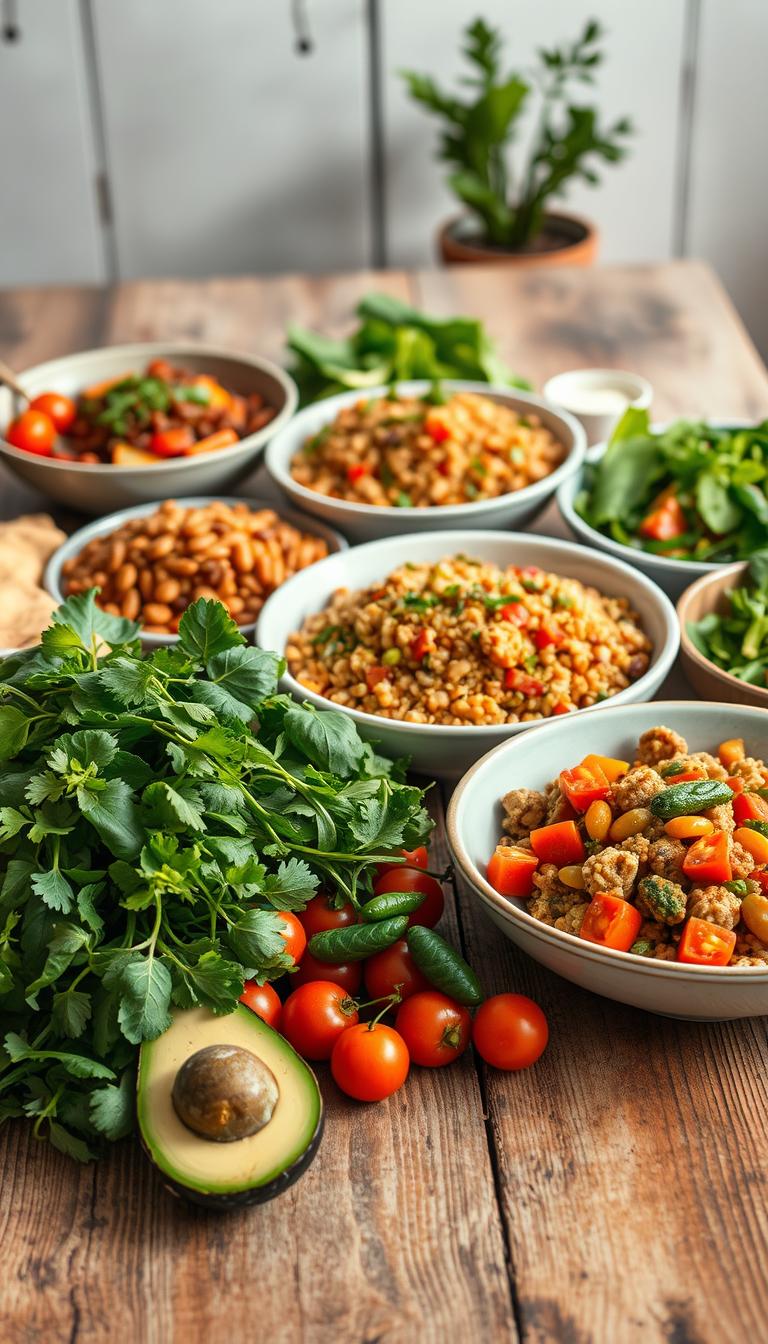
Can a few smart meals really change how your body fights inflammation? This guide shows how a plant-forward diet can help reduce chronic inflammation linked to arthritis, diabetes, and heart issues.
You’ll learn which foods to stock—whole grains, beans, lentils, colorful vegetables, nuts, seeds, avocado, and olive oil—and how to turn them into simple meals that support long-term health.
Practical tips include batch-cooking Slow-Cooker Vegetable Soup, prepping a Quinoa & Chia Oatmeal Mix for breakfast, and swapping snacks to boost fiber and prebiotics like the inulin found in pure maple syrup.
Portion ideas range from a 1,200-calorie baseline to 1,500–2,000 calories, and FSIS-safe storage and reheating advice keeps your food both tasty and safe.
Key Takeaways
- You can use a plant-focused anti-inflammatory diet to help reduce inflammation and support health.
- Stock pantry staples: grains, legumes, vegetables, fruit, nuts, seeds, and olive oil.
- Simple batch-cooking saves time—think soup, grains, and mix-ins.
- Adjust portions for 1,200–2,000 calories without losing satisfaction.
- Follow safe cooling and reheating practices to keep meals food-safe all week.
Why an anti-inflammatory vegan approach works right now
Chronic inflammation quietly raises your risk for conditions like arthritis, diabetes, obesity, and heart disease.
You need to know the difference between short-term inflammation, which helps you heal, and long-term inflammation that wears you down. Chronic inflammation disrupts metabolic balance, stresses your gut, and can drive joint pain and insulin resistance.
How chronic inflammation impacts your body
Persistent inflammation affects nearly every system. It shifts immune signaling, alters gut microbes, and raises oxidative stress—all of which harm long-term health.
The plant-forward advantage: fiber, polyphenols, and healthy fats
Plant-based patterns provide fiber that feeds beneficial gut bacteria and yields short-chain fatty acids that calm immune responses.
- Colorful vegetables and fruits supply polyphenols and antioxidants that buffer oxidative damage.
- Healthy fats like extra-virgin olive oil and avocado improve lipid profiles and help absorb fat-soluble antioxidants.
- Legumes and soy-based protein offer satiety and steady energy to support metabolic health.
Herbs and spices—turmeric, garlic, dill, and black pepper—add bioactive compounds without extra salt or sugar. Together, these foods form a practical, evidence-aligned way to reduce inflammatory load and support your health through everyday meals.
Vegan anti inflammatory recipes: what to prioritize in your kitchen
The right staples make healthy eating simple and fast. Start by stocking whole grains like oats, quinoa, and brown rice to anchor high-fiber meals and steady energy.
Legumes and beans supply affordable protein and minerals. Keep canned chickpeas, cooked lentils, and black beans on hand so you can toss bowls together in minutes.
Prioritize colorful vegetables and leafy greens—kale, carrots, tomatoes, and squash—to widen antioxidant variety on your plate.
Healthy fats, seeds, and practical prep
Add seeds—chia, flax, pumpkin, and sunflower—and a handful of nuts for fiber, crunch, and healthy fats that boost satiety.
Cook with olive oil as your primary fat and finish dishes with avocado for creamy texture and extra healthy fats.
Flavor with herbs and spices
Build bold taste with garlic, turmeric, dill, and black pepper so your foods sing without extra sugar or salt.
- Keep prepped ingredients: washed greens, cooked grains, and portioned beans.
- Choose unsweetened plant milks and yogurts to avoid added sugars.
- Balance oils by favoring olive and flaxseed oils to support a healthier omega-3 to omega-6 ratio.
Make fiber the default. Combine grains, legumes, vegetables, and seeds on every plate to improve digestion, fullness, and support lower inflammation as part of your everyday diet.
Breakfast ideas to start your anti-inflammatory day
Start mornings with simple choices that deliver fiber, phytonutrients, and steady energy so you feel good until lunch.
Quick green smoothie (5 minutes)
Anti-inflammatory green smoothie with ginger and turmeric
Blend leafy greens, fresh ginger, a pinch of turmeric, citrus, and a tablespoon of seeds for a bright, 5-minute breakfast. This drink gives hydration, antioxidants, and a hit of fiber to steady your blood sugar.
Batch quinoa-chia oatmeal
Quinoa-chia oatmeal mix with berries and maple (prebiotic) boost
Prep a quinoa and chia mix over the weekend so you can scoop and heat in the morning. Top with berries and a small drizzle of pure maple syrup — the maple adds subtle sweetness and a bit of inulin as a prebiotic.
Vegan pancakes topped with blueberries and a drizzle of pure maple syrup
Make pancakes on the weekend and freeze portions. Reheat for busy mornings and finish with blueberries and a measured drizzle of maple to keep sugars in check.
Vegan “egg” bites for grab-and-go protein
Bake tofu or chickpea-flour bites with spinach and peppers for portable protein. These small bites balance carbs and protein so you stay full until your next meal.
- Rotate seeds like chia and flax into bowls and smoothies to boost fiber and omega-3 ALA.
- Keep ingredients prepped: washed greens, frozen berries, and portioned smoothie packs for quick assembly.
- Adjust portions—add a handful of nuts or a cup of unsweetened plant milk—to scale a breakfast to your calorie needs.
Lunch bowls and hearty salads that fight inflammation
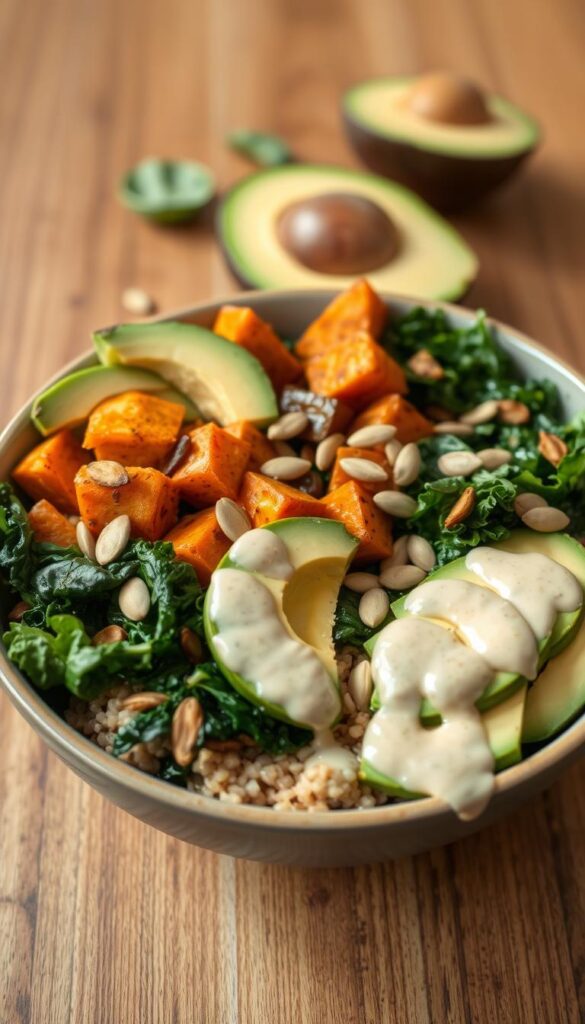
A reliable midday bowl lets you pack protein, fiber, and healthy fat into one easy meal. Build lunches that mix warm grains, roasted squash, and sturdy greens so you stay full and focused.
Butternut squash, kale, and quinoa salad with pomegranate
This make-ahead salad combines roasted butternut, cooked quinoa, and torn kale. Finish with pomegranate arils, lemon, and a drizzle of olive oil for a bright, antioxidant-rich lunch.
Chickpea-stuffed sweet potatoes with tahini-garlic drizzle
Bake sweet potatoes and stuff them with spiced chickpeas and chopped herbs. Top with a simple tahini-garlic sauce for creamy texture and added plant protein.
- Batch-roast vegetables and cook grains on Sunday so weekday lunches assemble fast.
- Lean on beans to increase fiber and satiety; toss them into salads or stuffed potatoes.
- Layer textures—crunchy seeds, juicy fruit, and warm roasted vegetables—so each bowl or salad feels satisfying.
- Keep ingredients seasonal and portioned in lidded containers to skip processed options.
Satisfying soups and stews packed with legumes and veggies
Turn basic ingredients into bowls that soothe the body and support day-to-day health. These one-pot meals make dinner simple, comforting, and easy to portion for the week.
Creamy lentil soup with turmeric and lemon
You’ll simmer a creamy lentil soup with turmeric, garlic, and a bright squeeze of lemon. The mix balances warm comfort with a phytonutrient punch.
Slow-cooker vegetable soup for easy meal prep
Set your slow cooker on Sunday with mixed vegetables, broth, and herbs. Portion the batch so you can reheat a nourishing bowl in minutes and grab a fast lunch or dinner.
White bean and kale soup with tomato and herbs
Make a tomato-based white bean and kale soup for a hearty, plant-forward option that delivers protein and fiber. Add diced potato or squash when you want extra body.
“Finish each bowl with a drizzle of olive oil and fresh herbs to keep flavors vibrant.”
- Pair a small slice of whole-grain bread or a simple side salad to round out texture.
- Swap kale for chard, or white beans for chickpeas—ingredients are flexible.
- Batch cooking supports lower-calorie days and scales up for 1,500–2,000 calorie needs.
The result is a reliable soup strategy that soothes your appetite and helps reduce day-to-day inflammation while fitting busy schedules.
One-pot weeknight winners you can make in minutes
One-pan dinners cut prep and cleanup so you can eat well on busy nights.
Butternut squash and black bean enchilada skillet
This skillet uses roasted squash, canned black beans, and a simple enchilada sauce. It delivers fiber and comfort in a single pan for a fast dinner.
Red curry butter beans over brown rice
Red curry butter beans with brown rice
Simmer butter beans in red curry and coconut milk, then spoon over brown rice or quinoa for a filling bowl. The beans add protein and creamy texture.
Veggie-loaded 20-minute curry
Veggie-loaded 20-minute curry with pre-cut produce
Buy pre-cut vegetables and canned legumes to shave time. A quick curry can be ready in about 20 minutes and pairs well with rice or a warm soup side.
- Keep pantry-friendly ingredients: canned beans, curry paste, canned tomatoes, and frozen vegetables.
- Use lentils to thicken stews and boost protein on heavier nights.
- These one-pot meals help reduce post-meal sugar swings and reheat well for lunch the next day.
Comforting chilis, skillets, and lo mein-style dinners
Bold flavors and quick techniques make weeknight dinner simple and satisfying. These meals center on vegetables and pantry staples so you get fiber, protein, and comfort without fuss.
Hearty vegetable chili with sweet potatoes and black beans
Simmer a chili that pairs smoky spices with diced sweet potatoes and black beans. Add garlic, cumin, and a touch of chipotle for depth.
Vegetarian lo mein with shiitakes, carrots, and bean sprouts
Stir-fry shiitake mushrooms, carrots, and sprouts with noodles and a light sauce. Toss in greens or swap kale for spinach if you like.
Tofu curry with delicata squash and greens, served with quinoa
Sauté tofu and delicata squash, finish with coconut milk and spices, and spoon over quinoa or brown rice. This one-pan meal comes together in about 30 minutes.
- Batch tip: double the chili and freeze half for fast weeknight meals.
- Portioning: load bowls with vegetables and protein first, then add grains or noodles to suit hunger.
- Serve: pair each bowl with a simple salad or citrus slaw to brighten rich flavors.
“Keep ingredients flexible and season boldly—big taste, minimal cleanup.”
Smart snacks and sides to keep inflammation in check
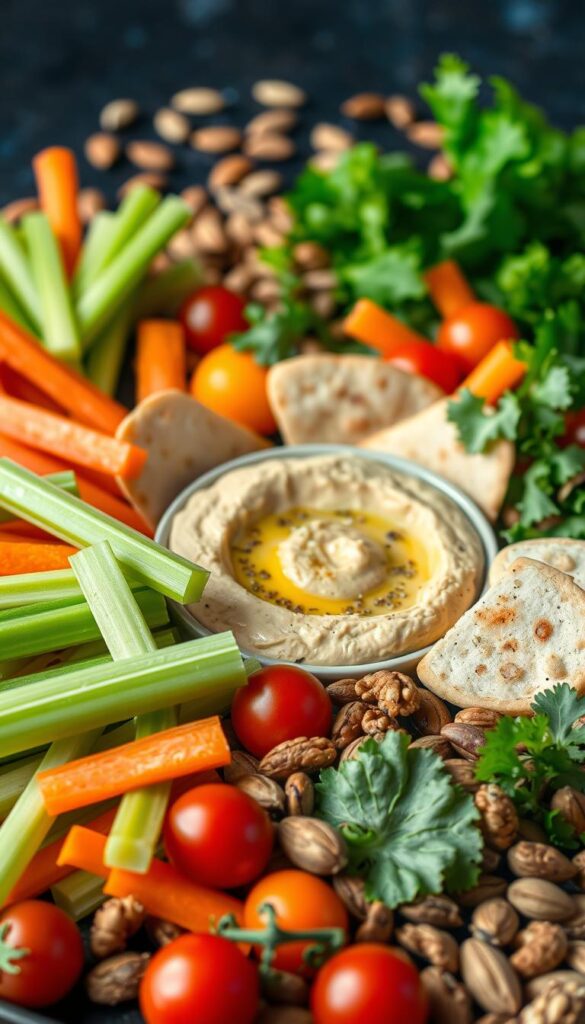
Small, well-chosen snacks can steady your day and help lower overall inflammation risk. Keep options that are quick to assemble and made from recognizable ingredients.
Sunflower seed crackers with avocado and tomato. Two-ingredient seed crackers bake in minutes. Top a cracker with mashed avocado, sliced tomato, and a pinch of sea salt for a crunchy, creamy bite.
Crunchy roasted chickpeas with olive oil and black pepper
Drain and dry canned beans, toss with a little olive oil and black pepper, then roast until crisp. They keep well and travel easily.
Dark chocolate-raspberry nibble with almonds
Pair a small square of dark chocolate with fresh raspberries and a few almonds for a polyphenol-rich finish that feels indulgent without overdoing sugar.
“Prep 5–10 minute snacks ahead so you always have something supportive between meals.”
| Snack | Main benefits | Prep time |
|---|---|---|
| Sunflower seed crackers + avocado | Healthy fats, seeds, fiber | 10–20 minutes |
| Roasted chickpeas | Portable fiber, crunch | 20–30 minutes (hands-off) |
| Dark chocolate & raspberries | Polyphenols, quick satisfaction | 2 minutes |
- Assemble small bowls with fruit, nuts, and seeds to curb cravings.
- Keep a slice of whole-grain bread with hummus or a simple veggie plate as a side at lunch.
- Pre-portion servings so snacks match your appetite and plan.
How to build your anti-inflammatory plate, Mediterranean-style
Let a half-plate of produce guide your lunches and dinners for steady energy and better digestion. This simple visual rule helps you choose portions without fuss and supports heart and metabolic health.
Follow the plate model: fill half your plate with vegetables and greens, one quarter with whole grains like brown rice or farro, and one quarter with legumes such as beans or lentils.
Half vegetables and greens, a quarter whole grains, a quarter legumes
Vegetables add volume, fiber, and phytonutrients that help reduce chronic risk factors and support overall health.
Whole grains provide steady energy; choose brown rice, quinoa, or farro to add texture and lasting fullness.
Legumes supply plant protein and minerals so you rely less on processed foods.
Dress with extra-virgin olive oil and citrus; garnish with herbs
Finish salads and warm bowls with a splash of olive oil and a squeeze of lemon or orange to boost absorption of fat-soluble nutrients.
Top plates with fresh herbs, seeds, and a few slices of avocado for flavor and healthy fats that increase satisfaction.
- Keep ingredients seasonal and colorful to maximize nutrient density.
- Use this Mediterranean-style template at lunch, dinner, or when eating out—scan menu sides and assemble similar proportions.
- The structure fits any meal in this guide and makes portions easy even on busy weeks.
| Plate Section | Examples | Primary benefits |
|---|---|---|
| Half: Vegetables & greens | Leafy greens, roasted carrots, broccoli, tomatoes | Fiber, vitamins, antioxidants |
| Quarter: Whole grains | Brown rice, quinoa, farro | Steady energy, fiber |
| Quarter: Legumes | Chickpeas, black beans, lentils | Protein, minerals, satiety |
Meal prep, portions, and safety tips for your weekly plan
Prep foundations like grains, legumes, and roasted potatoes once, then remix them into varied meals. This approach saves time and keeps your week flexible.
Batch-cook a Slow-Cooker Vegetable Soup over the weekend and portion it for quick lunches and dinners. Make a Quinoa & Chia Oatmeal Mix for fast breakfasts that heat in minutes.
Batch-cook and portion for 1,500–2,000 calorie needs
Cook two soups, a tray of roasted potatoes or squash, and a pot of grain. Divide into shallow containers so portions cool fast.
- Adjust portions to reach 1,500–2,000 calories by adding a glass of unsweetened almond milk, an extra fruit, or a small handful of nuts.
- Keep ingredients grouped—sauces, proteins, and grains—so you can mix-and-match without extra work.
- Plan a midweek mini-prep to restock chopped vegetables and refresh flavors.
Leftovers and food safety: cool, store, and reheat the right way
Follow FSIS guidance: cool leftovers quickly, store in shallow containers, refrigerate within 2 hours, and reheat to 165°F (74°C) before eating.
“Label containers with the recipe name and date to keep rotation simple and reduce waste.”
Allocate snacks intentionally. Pre-portion crunchy chickpeas, nuts, and dark chocolate nibbles so you have a ready snack between meals.
| Prep Item | Use | Store & Reheat |
|---|---|---|
| Slow-Cooker Vegetable Soup | Lunch or dinner; quick heat-and-eat | Shallow containers; refrigerate ≤2 hrs; reheat to 165°F |
| Quinoa & Chia Oatmeal Mix | Breakfast in minutes | Cool, store sealed; microwave or stovetop reheat |
| Roasted potatoes / squash | Side or bowl base | Refrigerate in single layer; reheat in oven or skillet |
Set a flexible schedule: two soups, three bowls, and two quick skillet dinners covers the week. Label and rotate so you save time, money, and energy while supporting progress on chronic inflammation.
What to limit for better results: refined carbs, added sugars, and alcohol
When you swap ultra-processed carbs for whole-food choices, your meals support better metabolic balance. Focused limits help your diet work harder for you.
Refined carbohydrates and added sugars raise inflammatory signals and disrupt blood sugar. Skip white bread, pastries, and sugary breakfast cereal. Choose whole grains, fruit, and measured sweeteners instead.
Alcohol can harm sleep, weaken gut integrity, and raise inflammatory markers. Keep drinks occasional and moderate while you prioritize recovery or weight goals.
- Read ingredient lists and pick foods with simple, recognizable ingredients.
- Balance fats by using extra-virgin olive oil and nuts instead of ultra-processed snack oils.
- Stock the kitchen for success: sparkling water with citrus, fresh fruit, nuts, and prepped veggies.
Reframe treats as planned portions, not daily habits. Over time you’ll notice steadier energy, fewer cravings, and less chronic inflammation in your body.
“Small swaps are sustainable: reduce refined carbs, measure sweeteners, and limit alcohol for better long-term health.”
Conclusion
Keep a short list of go-to bowls, soups, and one-pan dinners, and weeknight cooking becomes simple and reliable.
You’ve got a clear path to build breakfast, lunch, dinner, and snack ideas that fit a busy life. Use a favorite recipe once or twice a week, then swap vegetables or grains to keep it fresh.
Lean on the mediterranean diet plate: half vegetables, a quarter whole grains, and a quarter legumes like lentils. Batch-cook and freeze portions so meals stay easy and tasty.
Small, repeated choices add up. Follow this plan and you’ll support better health, make shopping simpler, and enjoy food that helps you feel your best.