Did you ever wonder if a short, simple reset could really change how your body feels? This guide shows you a gentle, data-backed plan that many people used after overeating refined sugar and processed foods.
Expect a practical, 1,200-calorie approach built around fresh fruits, vegetables, plant protein, and high-fiber grains to support digestion and steady energy.
The focus is on whole foods your body recognizes, cutting added sugar and limiting ultra-processed items. You’ll learn how balancing greens, beans, grains, and healthy fats can steady appetite and improve overall health without extreme rules.
Key Takeaways
- You’ll follow a sensible detox-style plan near 1,200 calories to reboot habits.
- Meals center on colorful produce, legumes, whole grains, nuts, and seeds.
- Removing added sugar and limiting processed foods helps your body reset.
- Practical tips—batching, leftovers, and ready sauces—make it sustainable.
- Fiber and plant protein keep you satisfied while supporting digestion and energy.
What a Vegan Cleanse Really Means for Your Body
A day focused on simple, whole foods supports normal detox pathways and stabilizes energy faster than extreme regimens.
Detox vs. cleanse: You’re not flushing out mythical toxins with extremes. Instead, you support the liver, kidneys, and gut by choosing whole, minimally processed foods. This shift eases digestion and often reduces bloating within a few days.
Build your plate
Make vegetables the largest portion. Add a solid plant protein like chickpeas, lentils, tofu, or tempeh. Pair them with high-fiber whole grains such as quinoa or oats to steady blood sugar and keep you full.
What to cut back on
Read labels and limit added sugar and excessive salt. Swap packaged snacks and ultraprocessed foods for fresh fruit, nuts, or edamame. Small ingredient changes can curb cravings and improve water balance over the day.
- Key nutrition to focus on: fiber, plant protein, complex carbs, and healthy fats.
- Use anti-inflammatory spices like turmeric to add flavor and color.
- Prefer steaming, roasting, or light sautéing to preserve nutrients.
| Aim | Typical choices | Why it helps |
|---|---|---|
| Vegetables | Kale, carrots, broccoli | High fiber and micronutrients for digestion |
| Plant protein | Chickpeas, lentils, tofu | Builds satiety and supports muscle maintenance |
| Whole grains | Quinoa, oats, brown rice | Stable energy and extra fiber |
| Flavor & swaps | Turmeric, lemon, herbs | Boosts taste without added sugar or salt |
Energizing Breakfast Vegan Cleanse Recipes
Start your day with simple, high-impact breakfasts that balance carbs, protein, and healthy fats.
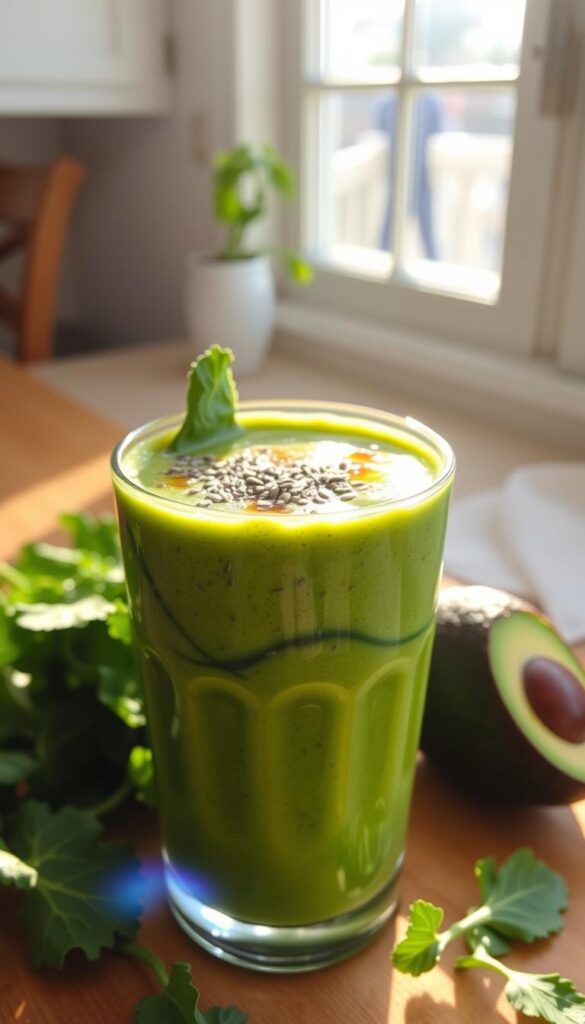
Green smoothie: Blend kale, banana, ground flaxseed, water or ice, and a small splash of orange juice for brightness. Batch freezer packs with chopped banana, apple or pear, and kale so you can blend-and-go. Add a scoop of pea protein if you want extra protein without changing flavor.
Overnight chia pudding: Stir chia into almond milk and layer with fresh berries. Chill overnight for a ready-to-eat bowl that delivers fiber and healthy fats with minimal work.
Quinoa & chia oatmeal: Cook quinoa with chia in unsweetened soymilk and warm spices like cinnamon and nutmeg. This mix gives creaminess, plant protein, and slow-release energy in the morning.
Vegan pancakes: Make pancakes ahead, omit added sugar, freeze, and reheat. Top with raspberries and a thin drizzle of thinned peanut butter for color, antioxidants, and a bit of richness.
- Daily breakfast examples typically landed near 273–296 calories; keep an eye on calories so lunches and dinners stay satisfying.
- Use almond or soy milk and add-ins like chia or flaxseed to boost fiber and protein naturally.
- Prefer ripe fruit for sweetness instead of added sugar, and pair breakfast with water or unsweetened tea.
| Breakfast | Main ingredients | Prep tip | Approx. calories |
|---|---|---|---|
| Green smoothie | Kale, banana, flaxseed, orange juice | Freeze fruit+kale in bags for quick blending | ~280 |
| Chia pudding | Almond milk, chia, berries | Make night before; portion in jars | ~290 |
| Quinoa & chia oats | Quinoa, chia, unsweetened soymilk | Batch-cook quinoa; reheat with milk | ~295 |
| Vegan pancakes | Flour base, mashed banana, raspberries | Cook ahead, freeze, reheat; top with thin peanut butter | ~273 |
Veggie-Packed Bowls and Salads to Fuel Your Day
You can assemble filling bowls and salads from a few staple grains, roasted veggies, and a punchy dressing.
Roasted veggie brown rice Buddha bowl with soy-lime tofu and creamy cashew sauce
Build a satisfying bowl with cooked brown rice, colorful roasted sheet-pan veggies, and soy-lime tofu. A creamy cashew sauce ties the flavors together and makes batching easy for leftovers.
Portions of about 2–4 cups keep lunches filling and typically fit the plan’s ~354–454 calorie targets while providing steady protein.
Sweet potato and chickpea salad with lemon-tahini dressing
Toss roasted sweet potato and chickpeas with a lemon-tahini dressing for a balanced mix of complex carbs, plant protein, and healthy fats.
Use lemon juice and fresh herbs to brighten the dish. Add seeds or toasted nuts for crunch in modest amounts.
Citrus-lime tofu salad over mixed greens, cucumber, and tomato
Keep mixed greens, cucumber, and tomato on hand. A quick citrus-lime vinaigrette makes a crisp, energizing salad in minutes.
Swap brown rice for quinoa or farro when you want variety and use leftovers to reduce prep time the next day.
- Layer in soy-lime tofu or beans for extra protein without heavy dressings.
- Portion bowls and salads ahead to streamline your day and track calories.
- Balance color and textures—roasted veggies, creamy sauce, and crisp greens—for appealing flavors.
| Dish | Main components | Typical calories |
|---|---|---|
| Roasted veggie brown rice bowl | Brown rice, roasted veggies, soy-lime tofu, cashew sauce | ~380–450 |
| Sweet potato & chickpea salad | Roasted sweet potato, chickpeas, lemon-tahini, greens | ~360–420 |
| Citrus-lime tofu salad | Mixed greens, cucumber, tomato, citrus-lime vinaigrette, tofu | ~354–410 |
| Swap options | Quinoa or farro instead of brown rice; seeds for crunch | Varies by portion |
Comforting Soups and Stews That Support a Gentle Detox
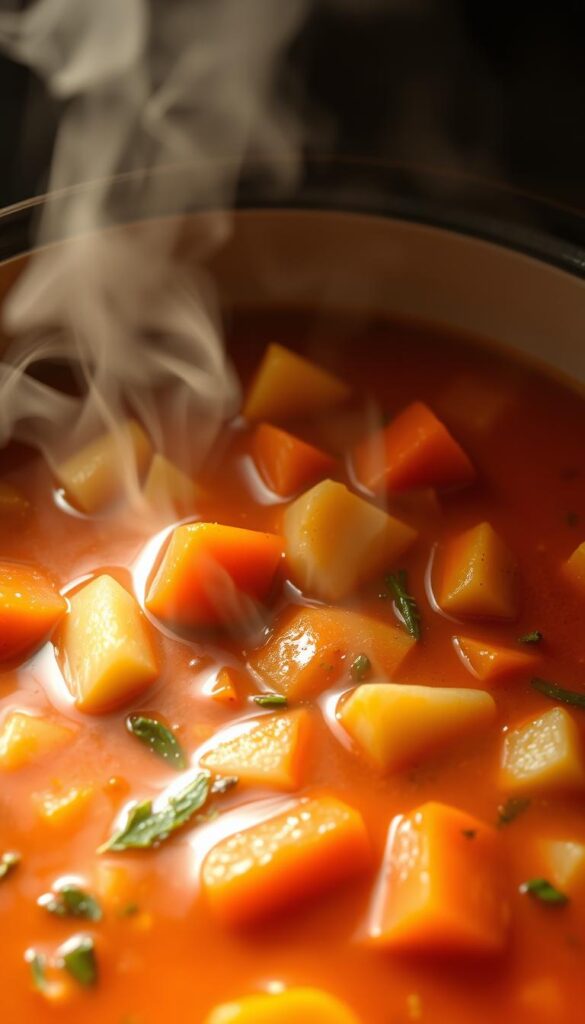
A steaming pot of soup can be a simple, nourishing anchor for short-term resets. These bowls focus on whole ingredients, steady plant protein, and warming spices to keep you satisfied while watching calories and salt.
High-protein lentil soup with carrots, celery, and turmeric
Simmer lentils with onion, carrots, celery, and turmeric for 30–40 minutes until tender. This fiber-rich dish fills you up and stores well for lunches.
Vegetarian black bean soup with garlic and tomatoes
Build bold flavor with garlic, tomatoes, and black beans. Serve alongside a simple greens salad and vinaigrette for added fiber and balance.
Broccoli detox soup with creamy coconut and nutmeg
Blend steamed broccoli with a splash of coconut milk and a pinch of nutmeg for silky texture without heaviness. A small squeeze of lemon brightens the bowl.
Sweet potato, carrot, and ginger soup
Roast sweet potatoes and carrots, then blend with fresh ginger. Finish with lemon and a crack of pepper to layer brightness and warmth.
- Batch-cook soups to control calories and sodium for easy midweek meals.
- Use aromatics—onion, garlic, herbs—so you need less salt.
- Freeze portions in labeled containers and garnish with herbs or plant yogurt when serving.
Flavor-Forward Vegan Dinners to Keep You Satisfied
A simple, flavor-forward dinner can deliver comfort without blowing your daily calorie targets. These plates focus on whole ingredients, bright spices, and steady plant protein so you end the day feeling full and balanced.
Spaghetti squash with tomato basil sauce and white beans
Roast spaghetti squash until strands loosen, then top with a chunky tomato basil sauce. Stir in rinsed white beans to add fiber and make the meal more filling.
Thai butternut squash and zucchini curry over brown rice
Simmer butternut squash and zucchini in coconut milk with curry paste for a cozy, aromatic curry. Spoon it over brown rice for a balanced plate that reheats well.
Stir-fried tempeh with veggies, garlic, and turmeric
Quickly stir-fry tempeh with mixed vegetables, smashed garlic, and a pinch of turmeric. Finish with a crack of pepper and a splash of citrus for lively flavors and reliable protein.
- Keep portions controlled and track dinner calories to stay on target.
- Layer herbs, citrus, and spices rather than extra salt for bright taste.
- Use leftovers: sauce and cooked squash reheat for easy lunches.
- Swap rice for quinoa to vary textures while keeping nutrient density.
| Dish | Key components | Why it works |
|---|---|---|
| Spaghetti squash + tomato basil | Squash, tomato sauce, white beans | Low-calorie base with added fiber and satiety from beans |
| Butternut squash curry | Butternut squash, zucchini, coconut milk, brown rice | Comforting, batch-cookable; rice adds steady carbs |
| Tempeh stir-fry | Tempeh, mixed veggies, garlic, turmeric | High protein, quick to cook, strong savory flavors |
Vegan Cleanse Recipes One-Day Sample Meal Plan
This one-day blueprint shows how to mix a morning smoothie, a midday bowl, and an evening soup for steady satiety.
Your day at a glance
Breakfast: A green smoothie with pea protein (~273 calories) starts the day with quick protein and soluble fiber.
Lunch: A veggie rice bowl or leftover spaghetti squash keeps midday calories flexible (~307–454 calories) while adding whole grains and legumes.
Dinner: A black bean or lentil soup paired with a simple greens salad ends the day with warmth and satiety (~425–456 calories).
Smart swaps and snacks
Choose smart snacks to bridge hunger: 1 cup steamed edamame, a medium apple, or celery sticks with 1 Tbsp plain hummus.
A full day like this totals near 1,200–1,220 calories and delivers about 30–42 g of fiber and 50–57 g of protein in sample menus.
- Start with a smoothie or warm oats, move to a hearty bowl at lunch, and finish with soup plus greens.
- Keep the plan flexible—rotate bowls, squash, or bean soup based on prep and leftovers.
- Pre-portion meals and log ingredients to control calories and hit your fiber target.
- Make dressings and sauces ahead to turn simple components into satisfying meals fast.
Meal Prep, Shopping List Tips, and Portion Smarts
Set aside one hour each week to transform loose ingredients into ready-to-eat meals that save time and reduce decision fatigue.
Batch-cook staples: Block an hour to cook brown rice, roast sheet-pan veggies, and simmer a pot of black bean or lentil soup. Prep citrus-lime vinaigrette and freeze smoothie and pancake packs for fast breakfasts.
Pantry & produce essentials: Stock quinoa, chickpeas, canned tomatoes, and almond or nut options. Keep kale, carrots, garlic, lemons, and sweet potatoes on hand to round out bowls and soups.
Portions & calories: Pre-portion meals to meet your calorie targets; use a scale or measuring cups until you can eyeball portions. This helps balance macros and hit fiber goals while limiting processed foods.
Flavor boosters: Use fresh herbs, turmeric, tomato sauce, and lemon to add bright flavor without extra salt or heavy sauces.
| Prep Task | Key ingredients | Time | Why it helps |
|---|---|---|---|
| Batch brown rice | Brown rice, water, pinch salt | 30–40 min | Quick base for bowls and adds steady carbs |
| Roast veggies | Sweet potatoes, carrots, mixed veggies, olive oil | 25–35 min | Versatile sides that reheat well |
| Make soup | Beans or lentils, garlic, canned tomatoes, turmeric | 40–60 min | High-fiber lunches that mix-and-match |
Conclusion
Simple, real ingredients can reshape a day of eating and help your body feel lighter.
You’ve got a practical blueprint: pick a breakfast you enjoy, rotate a hearty bowl or salad for lunch, and finish with a warming soup or stew for dinner. This plan can total about 1,200 calories with roughly 30–42 g fiber and 50–69 g protein when you center meals on grains, beans, and veggies.
Prep makes this easy. Batch grains, roast vegetables like sweet potatoes and butternut squash, and jar a citrus vinaigrette. Season with garlic, pepper, lemon, and herbs to boost flavor without extra salt.
Stick with the plan a few days and notice steady energy, lighter digestion, and clearer choices around food—small changes that support long-term health.