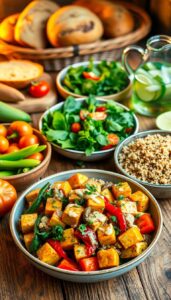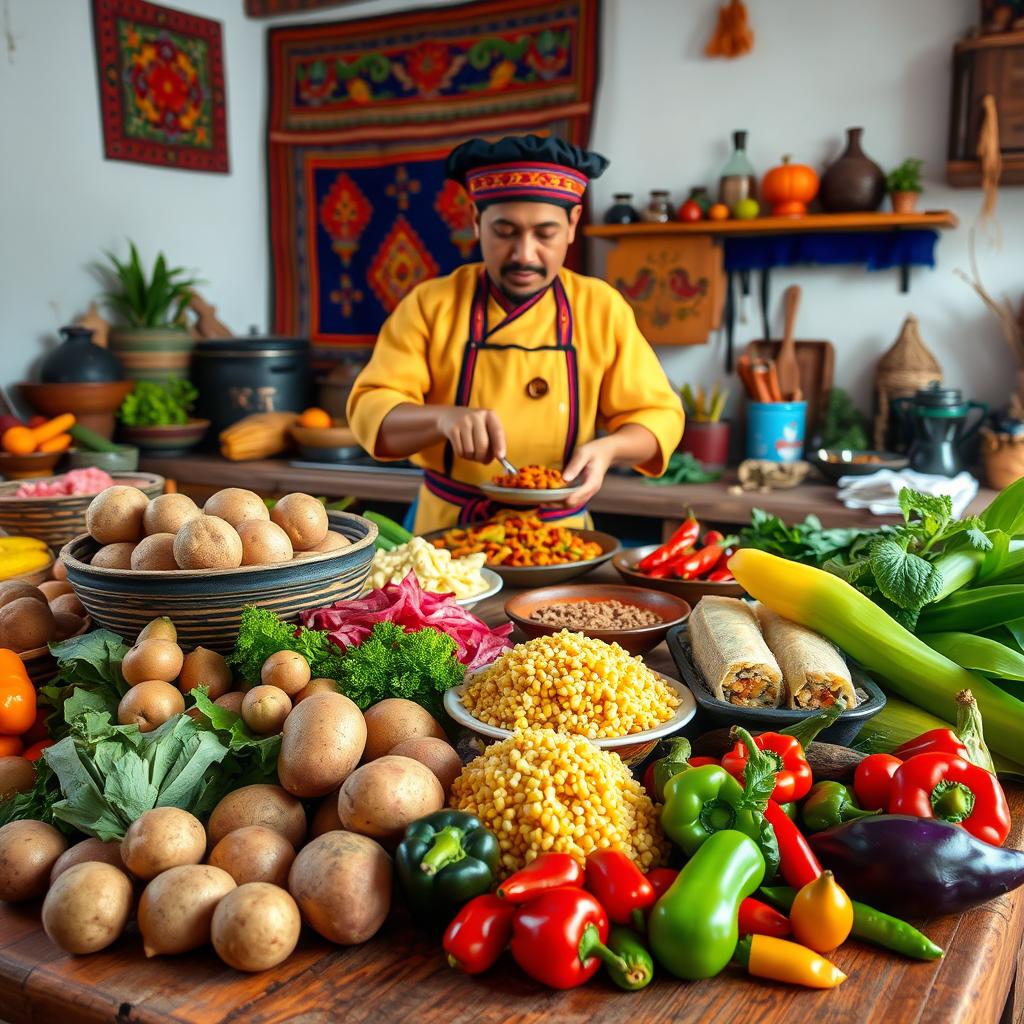
Are you ready to taste bold coastal citrus, Andean herbs, and Amazonian spice without relying on fish or meat? This guide shows how classic Peruvian dishes translate into plant-forward versions that still sing with aji chiles, potatoes, and huacatay.
You’ll find examples like lomo saltado reworked with mushrooms and tallarines verdes served as a dairy-free pesto pasta. Peru’s coast, sierra, and Amazon give this cuisine its wide range of flavors, and you can recreate them at home with pantry-friendly swaps.
Expect simple, weeknight-friendly recipes, clear pantry notes, and tips to source ají amarillo or use good substitutes in the United States. By the end, you’ll know how to build sauces, mimic meaty textures, and get recipe ideas that make you truly love peruvian food.
Key Takeaways
- Bold regional flavors can be made plant-forward with smart swaps.
- Mushrooms, potatoes, and corn stand in for meat and fish well.
- You’ll learn pantry basics and where to find specialty ingredients in the U.S.
- Classic dishes like lomo saltado and tallarines verdes adapt easily.
- Simple technique notes will elevate your home cooking quickly.
- Links to trusted resources help you get recipe inspiration fast.
Vegan Peruvian recipes you’ll love right now
You can tap into Peru’s regional flavors to make bright, pantry-friendly plant dishes fast. The country’s mix of Inca, Spanish, African, Chinese, Japanese, and Italian influences gives you layers of taste that work without animal products.
Why Peruvian cuisine is perfect for plant-based cooking
Peruvian cuisine prizes produce-forward plates, bold aji heat, and aromatic herbs that carry flavor on their own. Build meals around potatoes, corn, quinoa, and beans for filling, nutrient-dense foods that mirror traditional vegetarian peruvian plates.
Start simple: bright sauces and quick pickles change everything. Many appetizers, soups, and mains already have plant-forward versions—mushroom ceviche, papa a la huancaína, tamalitos verdes, and arroz moro are easy places to begin.
Quick links to trusted vegan Peruvian resources
- Peru tourism on cuisine and regions
- Sumaq Machu Picchu Hotel culinary experiences
- Eluxe Magazine’s vegan roundup
- Britannica overview of Peruvian cuisine
- U.S. shopping for ají amarillo paste and huacatay
“Andean herbs and aji chiles are key,” said Chef Carlos Pardo Figueroa, highlighting how regional ingredients make plant cooking shine.
Plant-based building blocks of Peruvian cuisine
Think of Andean staples as the scaffolding for meals that deliver texture, color, and bright heat. These core ingredients give each dish a clear identity and make it easy to adapt traditional flavors for your kitchen.
Andean staples: potato, quinoa, corn, beans, and aji chiles
Potato, quinoa, corn, and beans are the foundation. Use waxy potatoes for salads and stews; starchy varieties are best for mash or creamy plates.
Rinse quinoa to remove saponins and toast it briefly to boost aroma. Corn appears as fresh kernels, canned choclo, or cancha for crunch. Keep ají amarillo and ají panca paste in your pantry to layer fruity heat and smoky depth.
Essential herbs and aromatics: huacatay, muña, cilantro, red onion, lime
Huacatay, muña, and paico add signature notes. If you can’t find them, substitute fresh mint plus culantro or cilantro to echo the profile.
Red onion and lime juice anchor quick relishes and marinades; slice thin and rinse briefly to tame sharpness while keeping crunch.
| Staple | Use | U.S. sourcing / Sub |
|---|---|---|
| Potato | Salads, stews, mash | Yukon/waxy for salads; russet for mash |
| Quinoa | Grain base, soups | Rinse & toast; widely sold in supermarkets |
| Corn | Kernels, cancha, drinks | Canned choclo; frozen kernels; toasted corn snacks |
| Beans | Protein, tacu tacu, stews | Dry black, canary, or pinto beans from grocery |
| Ají chiles | Heat, color, sauce | Ají amarillo/panca paste or frozen paste in Latin markets |
With a small aji toolkit and a shelf of grains, you can make peruvian recipes that feel true to the cuisine. These staples help you turn pantry items into a complete, balanced dish that showcases the world‑class flavors of this food tradition.
Bright vegan appetizers to start your meal
Start your meal with small plates that deliver sharp citrus, aji heat, and fresh herbs. These appetizers are quick to assemble and set the tone for hearty Peruvian dishes that follow.
Salsa criolla on everything
Salsa criolla is thinly sliced red onion tossed with lime juice, chopped aji, and cilantro. Use it as a topping for almost any dish or side to add brightness and crunch.
Palta rellena and tamalitos verdes
Make palta rellena by stuffing ripe avocados with a lemony chickpea salad. Garnish with salsa criolla for texture and acid.
For tamalitos verdes, blend fresh corn with cilantro and aji, form masa, and steam in husks. The green tint and herb flavor make them irresistible as an appetizer.
Escribano and causa-inspired bites
Try escribano: crushed boiled potato with olive oil, vinegar, and aji, finished with red onion. It’s a minimalist peruvian dish with big payoff.
Assemble mini causa cups by layering mashed potato seasoned with aji amarillo and lime, then top with beans or vegetable salads for protein and color.
| Appetizer | Key components | Quick tip |
|---|---|---|
| Salsa criolla | Red onion, lime juice, aji, cilantro | Make ahead; chill to mellow sharpness |
| Palta rellena | Avocado, chickpeas, lemon, salsa criolla | Use firm-ripe avocados for easy stuffing |
| Tamalitos verdes | Corn, cilantro, aji, corn husks | Steam 20–30 min; serve warm |
| Causa bites | Mash potato, aji amarillo, lime, fillings | Press into molds for neat portions |
Keep a jar of green sauce (huacatay-cilantro-lime) and some cancha or baked yuca fries on hand to finish plates quickly. If you want to get recipe inspiration, check reputable guides that show shaping and steaming techniques to nail the classics.
Comforting soups and stews from the sierra and coast
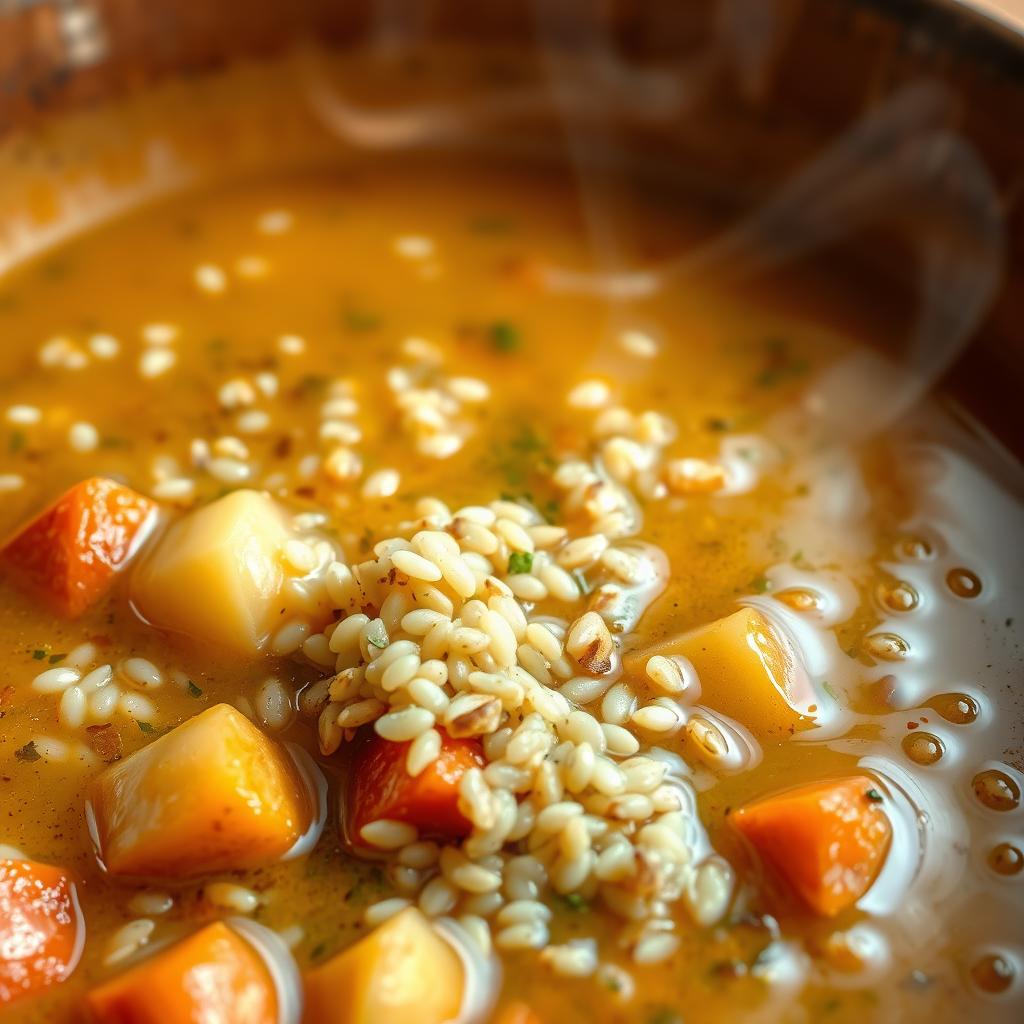
Soups and stews from the sierra and coast offer pantry-friendly comfort that scales well for weeknight meals.
Quinoa soup cooks quickly with vegetables, aji amarillo, and a splash of lime. Toast the quinoa first, then simmer until the grains plump. Add a handful of herbs at the end to keep flavors bright.
Peruvian quinoa stew
Build a heartier stew with tomatoes, potatoes, and mushrooms. Simmer until the broth thickens slightly from the quinoa for a rich, filling dish. Stir in cooked beans for extra protein if you like.
Crema de zapallo
Sauté onions and aji panca, add squash and stock, then blend until silky. Finish with toasted pepitas or chopped herbs for a bit of crunch. This recipe is a great way to showcase seasonal produce.
Gazpacho Andino with quinoa and mint
For a cooling bowl, blend tomatoes with mint and cooked quinoa. It eats like a meal thanks to the grains and makes a fresh counterpoint to heavier stews.
- Toast quinoa for deeper flavor.
- Sauté mushrooms until browned to add umami.
- Adjust chile levels to suit your cooking style.
Main dishes that showcase classic Peruvian flavors
From hot pans to crisp cakes, these mains bring bold street-food energy to your kitchen.
Lomo saltado with portobello mushrooms
Stir-fry thick-sliced mushrooms over very high heat so they brown, not steam. Add red onion and tomato, then finish with vinegar and soy sauce for a fast, saucy peruvian dish.
Arroz chaufa: Chinese‑Peruvian fried rice
Use day-old rice, scallions, grated ginger, and aji amarillo if you have it. Toss in tofu or edamame for protein and a splash of sesame oil to finish this vegan version.
Tacu tacu: rice-and-lentil cake
Mash cooked rice with lentils, season boldly, and pan-sear into a crisp cake. Serve with salsa criolla or an aji-lime sauce for bright contrast.
Arroz tapado with mushroom “meat”
Layer seasoned, sautéed mushrooms between two rice rounds, unmold, and top with cilantro and pickled onion for color and acidity.
- Keep pans hot and cook in small batches so vegetables sear.
- Balance salty, tangy, and slightly sweet notes to mimic street flavors.
- Swap some rice with cauliflower rice for a lighter version, but keep some grains for chew and texture.
Pasta favorites: tallarines verdes and tallarines rojos
Two classic noodle dishes show how Italian influence met Andean ingredients. Both are fast to make and adapt well to dairy-free cooking.
tallarines verdes is a Peruvian-style pesto that relies on herbs and nuts instead of cheese. Blend basil, spinach, cilantro, toasted walnuts or cashews, garlic, and olive oil for a creamy sauce. Use a splash of plant milk or reserved pasta water to loosen the pesto so it clings to the noodles without becoming oily.
Tomato-forward tallarines rojos
For tallarines rojos, build a glossy sofrito with onions, garlic, ají panca, and ripe tomatoes. Simmer until thick, then finish with fresh herbs for brightness.
- Toast nuts lightly before blending to deepen flavor and add body.
- Keep salt low until the end to balance salted pasta water and reductions.
- Fold in seared oyster mushrooms or marinated tofu for extra protein and texture.
- Make sauces ahead for quick weeknight cooking; reheat gently while pasta cooks.
These dishes show how peruvian cuisine blends herbs, chiles, and simple technique into one satisfying plate. Try them as a main or share family-style with a crisp salsa criolla on the side.
Ceviche and escabeche, reimagined without fish
Ceviche’s technique—curing in lime and salt—translates easily to mushrooms, artichoke hearts, or mango for a fresh, fish-free version. Start with bright acid, thinly sliced aromatics, and just enough chile to lift the dish. The resulting marinade is your leche de tigre analogue: punchy, drinkable, and full of flavor.
Mushroom ceviche with leche de tigre-inspired marinade
Slice mushrooms thin and toss quickly with lime juice, salt, minced aji, cilantro, and red onion. Chill briefly so the mushrooms stay crisp but absorb bright citrus.
Mango or artichoke ceviche for a fresh, fruity twist
Use firm mango or canned artichoke hearts for texture that holds up. Balance sweet fruit with acid and a touch of chile so the sauce sings.
Bean-based escabeche with pickled heat and tang
Simmer a vinegar-chile brine with onions and spices, then pour it over cooked beans and vegetables. Let it rest so the pickling liquid penetrates. Serve with sweet potato, cancha, or lettuce leaves for contrast.
- Rinse and thin-slice red onion to keep crunch without bite.
- Add a dash of caper brine or seaweed flakes if you miss ocean brininess.
- Work cold and fast for ceviche; give escabeche time to develop.
Sauces, sides, and essentials to round out your table
Bring texture and balance to the table with creamy sauces, fluffy grains, and bright relishes. These finishing touches make each plate sing and help you build easy weeknight menus or bigger spreads for guests.
Papa a la Huancaína, vegan-style
Blend soaked cashews or toasted seeds with ají amarillo, garlic, a splash of plant milk, and a pinch of salt for a velvety sauce. Pour over sliced boiled potatoes for a crowd-pleasing starter.
If you want more heat, stir in a spoonful of aji paste just before serving to keep fresh chile notes.
Rice, arroz moro, and perfectly fluffy quinoa
Cook arroz criollo with onions, garlic, and cilantro for a fragrant side. Make arroz moro by adding beans for color and protein—this is a classic holiday-style rice dish.
For fluffy quinoa, rinse well, toast briefly, then simmer in a 1:1.75 ratio of grain to water. Rest off heat for a few minutes to set the ideal texture.
- Keep salsa criolla on hand to brighten rice and grain bowls.
- Batch-cook rice and quinoa so you can build bowls fast.
- For papa rellena nights, pair with a green salad and quinoa to make a full plate of food.
- Entertain by offering arroz moro, roasted veg, and a creamy huancaína-style sauce so guests can customize.
“A few smart sauces and fluffy grains turn simple ingredients into memorable food.”
Vegan desserts rooted in tradition
Playful twists—like purple-corn pudding and baked squash rings—show how sweets can honor heritage while staying dairy-free.
Make mazamorra morada with purple corn, cinnamon, clove, and diced fruit. Simmer until glossy and serve chilled for a fragrant, naturally plant-based pudding.
Mazamorra morada and chicha morada-inspired sweets
This version uses simple ingredients you can find in U.S. Latin markets or online. Add orange zest or a splash of rum to deepen the flavor.
Dulce de camote and quinoa con “leche”
Simmer sweet potato with cinnamon and citrus until jammy for dulce de camote. For quinoa con “leche,” cook quinoa in oat or almond milk with vanilla and raisins for a cozy pudding with nice texture.
Vegan chocolate cake and picarones-inspired bakes
Bake a chocolate cake with plant milk and oil; finish with an aji amarillo or orange syrup for contrast. If you crave donuts, make baked picarones-style rings from squash or sweet potato and drizzle with a chancaca-style glaze.
- Tip: Use whole cinnamon sticks and fresh cloves for brighter aroma.
- GF option: swap in alternative flours for gluten-free guests.
- Pair rich sweets with a savory main like lomo saltado to balance a dinner menu.
“Simple pantry foods become memorable sweets when you keep spices fresh and textures varied.”
Drinks that celebrate Peru’s ingredients
Round out your menu with simple drinks that mirror the same bright, spiced flavors found in Peruvian cuisine. These beverages are easy to scale and pair well with mains and small bites.
Chicha morada: purple corn, cinnamon, clove, and lime
Simmer purple corn with cinnamon sticks, cloves, and pineapple peel. Add sugar, cool, then finish with fresh lime for a deeply colored, refreshing drink.
Batch it ahead and keep citrus separate until serving to preserve brightness.
Vegan pisco cocktails with aquafaba
Shake pisco, lime, and simple syrup with aquafaba for a frothy pisco sour that mimics an egg-white foam. It’s a plant-based version that holds well and looks polished.
Blueberry limonada and Peruvian-style hot chocolate
Blend blueberries, lemon, water, and a touch of sugar for one summer-ready cooler. For cool nights, warm plant milk with cinnamon and allspice to make a rich hot chocolate that nods to local spice profiles.
“Hotels such as Sumaq celebrate indigenous ingredients in drinks and menus.”
- Garnish with lime wheels, cinnamon sticks, or mint for easy impact.
- Offer chicha morada alongside infused waters for a nonalcoholic bar.
- Get recipe references from trusted guides and adjust sweetness to taste.
How to cook vegan Peruvian food at home in the United States
Bring Peruvian flavors into your kitchen with a short, focused pantry and smart swaps. A few Latin-market staples plus everyday grains let you build bowls, stews, and saucy mains without last-minute runs.
Ingredient swaps, shopping tips, and pantry staples
Shop local Latin markets or online for ají amarillo and ají panca pastes, huacatay, purple corn, cancha, and canned choclo. Keep a steady supply of beans, rice, quinoa, limes, garlic, onions, and frozen ají paste to speed weeknight cooking.
Swap tofu, tempeh, or mushrooms wherever meat or fish appear; season with soy, vinegar, and aji for authentic depth. Use U.S. sweet potatoes (garnet/jewel) for dulce de camote and kabocha or butternut for crema de zapallo.
Where to learn more: classes, hotels, and chef insights
For hands-on learning and cultural context, explore these DoFollow resources to get recipe ideas and expert technique.
- Sumaq Machu Picchu Hotel cooking classes — offers adapted menus for plant-forward guests.
- Eluxe Magazine — chef interviews and vegan ideas from Carlos Pardo Figueroa.
- Peru.travel — regional overviews and dish history to deepen your practice.
- LatinMerchant and Amazon — sources for hard-to-find ingredients.
Batch-cook beans and rice weekly and taste as you go. That habit helps you build flavorful bowls, share these foods with friends, and love peruvian food even more.
Conclusion
Bold, simple swaps and a steady pantry let you recreate classic flavors at home with confidence.
With these vegan peruvian recipes you have a clear roadmap to cook boldly flavored plates that honor tradition and fit your lifestyle. Try one recipe a week—start with papa rellena or tacu tacu and work toward a mazamorra morada or a mushroom ceviche.
Remember balance: acid, heat, salt, and herbs are the heartbeat of this cuisine. Stock key staples and return to the linked resources and classes for technique and inspiration.
Now pick a peruvian dish that caught your eye, set your mise en place, and enjoy how these foods transform your table and your cooking.