Embrace Plant-Based Living for a Healthier You
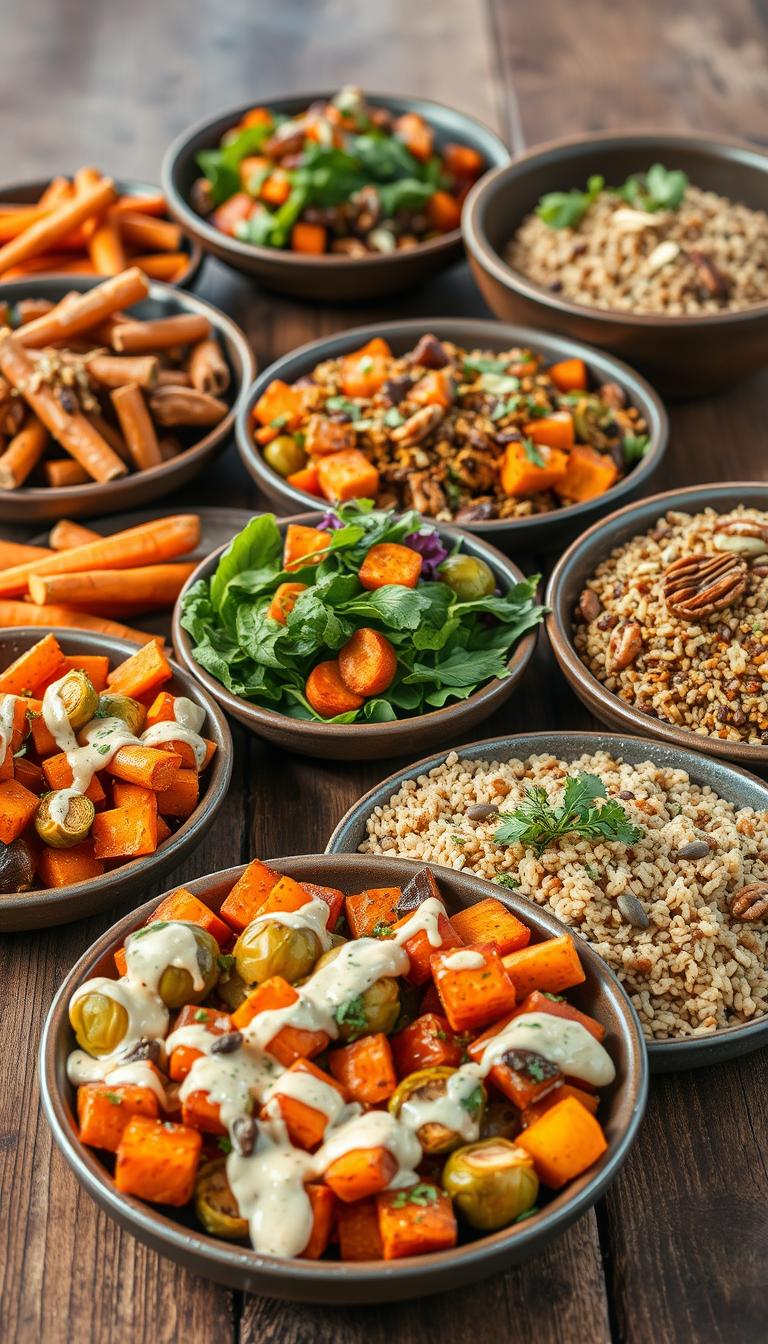
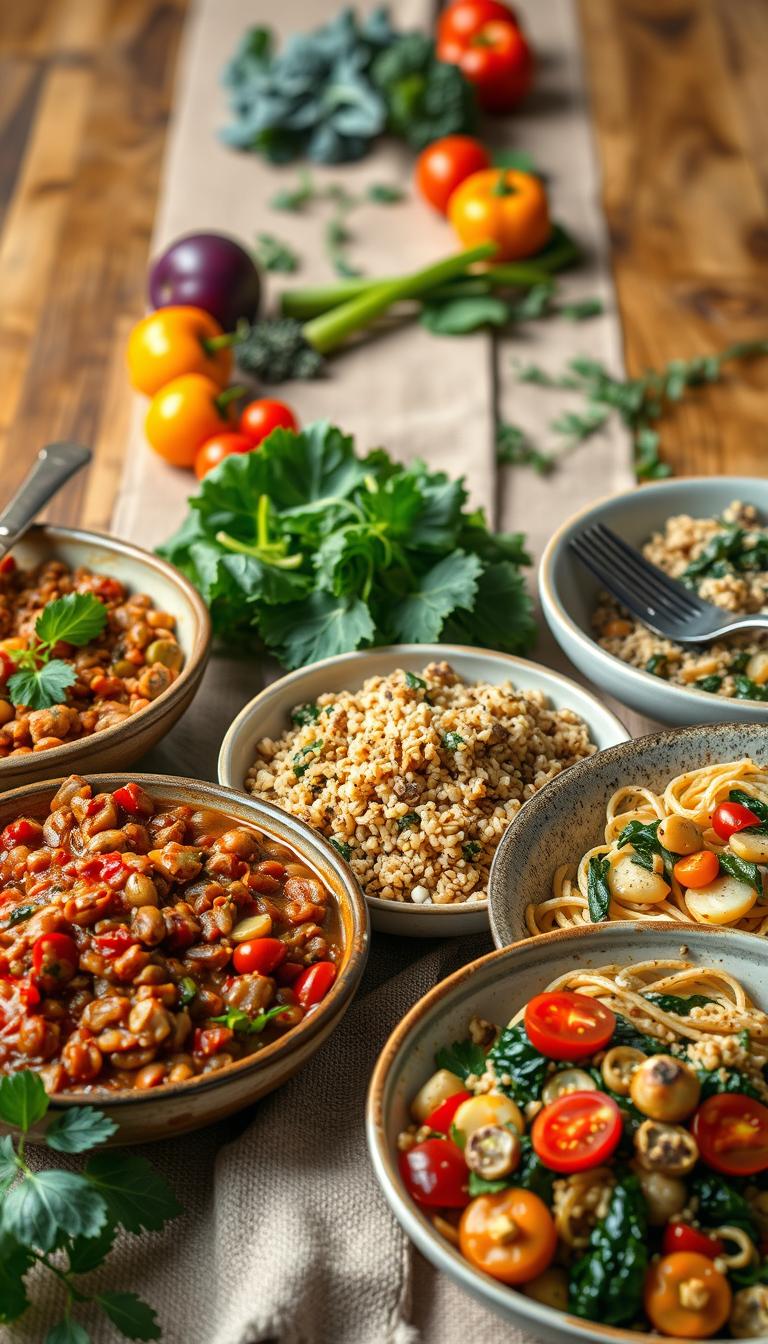
Plant-based living is more than just a diet; it's a lifestyle that emphasizes the consumption of whole, minimally processed foods. By embracing plant-based meals, you can improve your overall health, reduce the risk of chronic diseases, and support sustainable practices. This approach encourages individuals to prioritize fruits, vegetables, whole grains, legumes, and nuts, which are all packed with essential nutrients.
Research has shown that diets rich in plant-based foods can lead to lower cholesterol levels, improved heart health, and better weight management. For example, incorporating a variety of colorful vegetables into your meals not only enhances flavor but also ensures a wide range of vitamins and antioxidants, which are vital for maintaining optimal health.
Understanding the Nutritional Benefits of Plant-Based Ingredients
Each ingredient in a plant-based diet offers unique nutritional benefits that can enhance your well-being. For instance, leafy greens like spinach and kale are excellent sources of iron and calcium, while legumes such as lentils and chickpeas provide protein and fiber. Understanding these benefits can help you make informed choices about what to include in your meals.
Moreover, incorporating diverse ingredients into your diet can lead to a more balanced intake of essential nutrients. For example, quinoa is a complete protein that contains all nine essential amino acids, making it an excellent choice for those following a vegan diet. By learning about the nutritional profiles of plant-based ingredients, you can optimize your meals for better health outcomes.
How to Transition to a Plant-Based Diet
Transitioning to a plant-based diet can be an exciting journey that promotes better health and environmental sustainability. Start by gradually incorporating more plant-based meals into your weekly routine. This can be as simple as dedicating one day a week to meatless meals or exploring new recipes that highlight plant-based ingredients.
As you make this transition, it's important to educate yourself about alternative sources of nutrients typically found in animal products. For example, consider fortified plant milks for calcium and vitamin D, or explore nutritional yeast as a source of B12. With the right resources and a willingness to experiment, you can successfully adopt a plant-based lifestyle that suits your preferences and health goals.
Exploring Global Plant-Based Cuisines
One of the joys of a plant-based diet is the opportunity to explore diverse cuisines from around the world. Each culture offers unique flavors and ingredients that can be adapted to vegan recipes, making meals both exciting and nutritious. From the spicy curries of India to the fresh salads of Mediterranean countries, there are countless plant-based options to discover.
For example, you can try creating a traditional Moroccan tagine using chickpeas and seasonal vegetables, or whip up a fresh Vietnamese spring roll with rice noodles and a variety of colorful veggies. By embracing global plant-based cuisines, you not only expand your culinary skills but also enjoy a wider array of nutrients and flavors in your diet.